
24/7 Customer Support

Free returns

Same-day & Next-day Delivery

Quality Guaranteed

Unlock Your Welcome Offers: FREE Delivery | Up to 80% OFF | Free 30-day JoyPlus trial
Download the APP
Tinned meat and fish can make weekday meals, packed lunches and emergency cupboards much easier to manage. However, attractive packaging and low shelf prices do not always tell the full story. A tin may contain less drained food than expected, rely heavily on brine or include allergens that are easy to miss when shopping quickly.
Whether you are comparing tinned meat, tinned tuna, luncheon meat, corned beef, Spam, tinned hot dogs or halal options, three common purchasing traps are worth avoiding:
For tuna, the liquid can significantly affect how much food reaches your plate. John West Tuna Chunks in Sunflower Oil is sold as four 125g cans, while the nutrition information is provided per 100g of drained product. Oil-packed tuna generally offers a softer texture and richer mouthfeel, whereas tuna in brine may suit shoppers who prefer a lighter preparation.
Morrisons Drained Tuna Steaks With Sunflower Oil lists 94% skipjack tuna, with sunflower oil and salt. Its stated nutrition per 100g includes 25.4g protein. By comparison, John West Tuna Chunks in Brine provides 25g protein per 100g and 106 kcal per 100g. These figures make the products easy to compare, but the amount in each serving still depends on the drained weight.
For bulk tinned food, calculate the price per 100g of drained product where that information is available rather than comparing only the number of tins.
“Tinned meat” covers several different formats:
A higher meat percentage does not automatically make a product suitable for every diet. It is one useful comparison point alongside salt, saturated fat, allergens, serving size and preparation instructions.
Unopened long-life food should be kept in a cool, dry place, away from direct heat, moisture and frost. Before buying or storing tins, avoid products that are swollen, leaking, punctured or severely dented, particularly around the seams.
After opening, do not store leftovers in the tin. Transfer them to a clean, non-metallic covered container, refrigerate promptly and follow the product’s instructions. Many products in this range advise consumption within two days, while some halal luncheon meat products specify a different period. Always use the label supplied with the product, as recipes and instructions can change.
For households with young children, cut hot dogs and Vienna sausages lengthways and into small pieces. This reduces the risk associated with round, firm sausage shapes, but children should still be supervised while eating.
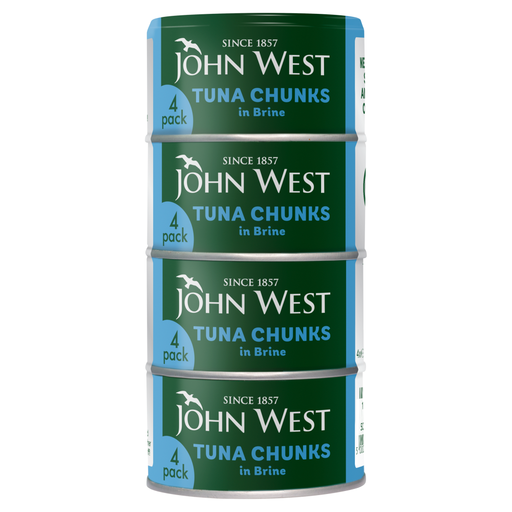
Why This Fits Their Persona: A four-can format is practical for students, small households and shoppers building affordable pantry staples for sandwiches, salads and quick lunches.
The product information clearly identifies tuna, water and salt, with nutrition listed per 100g. Buyers can compare it with oil-packed alternatives without confusing brine with edible fish.
25g protein and 106 kcal per 100g; four individual 125g cans are convenient for portion planning.

Why This Fits Their Persona: Suits shoppers who prefer tuna with oil for salads, pasta and sandwiches, and who value a multi-pack for regular household use.
The ingredient list states tuna, sunflower oil and salt, while the label warns that some bones may remain. This makes the product’s format and limitations clear.
25g protein per 100g drained; four cans provide a useful supply for lunches and quick meals.
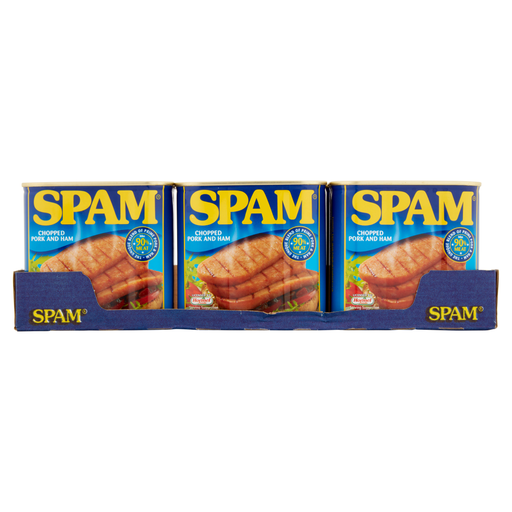
Why This Fits Their Persona: A 12-pack is suited to larger families, community kitchens, campers and households assembling long-life food reserves.
The pack size and total net quantity are stated clearly. The nutrition panel also shows 2.4g salt and 24.3g fat per 100g, helping bulk buyers plan portions responsibly.
12 x 340g format; listed as fully cooked and suitable for serving hot or cold.
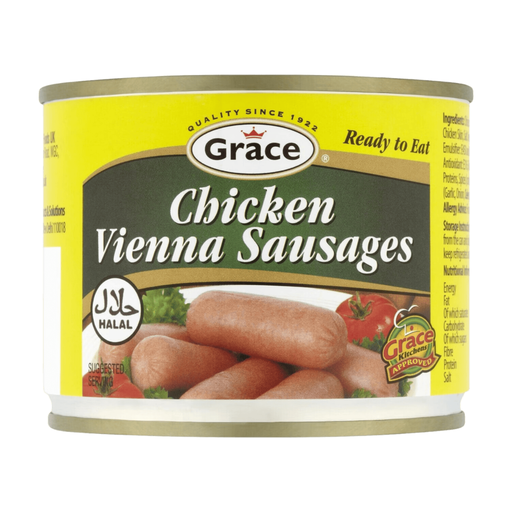
Why This Fits Their Persona: A compact halal tinned meat option for sandwiches, rice dishes, snacks and quick family meals where pork-free ingredients are required.
The product is identified as halal chicken and lists chicken at 70%. The allergen information includes soya, milk, mustard and celery, so dietary checks remain necessary.
Ready to eat hot or cold; 10.7g protein per 100g and a ring-pull tin for straightforward access.
For a traditional beef option, Princes Corned Beef 340g contains 98% cooked beef and can be sliced or used in hash. Princes Minced Beef & Onion 392g is designed as a ready meal and lists wheat and barley, so it is unsuitable for people avoiding gluten.
Families comparing tinned sausages can look at Ye Olde Oak Standard Hot Dogs, Kingsfood 8 Hot Dogs 400g or Ye Olde Oak Frankfurters 550g. These products differ in meat composition, allergens, drained weight and serving instructions. For another luncheon meat format, Ma Ling Luncheon Meat with Ham & Pork 340g lists mustard as an allergen and is suitable for slicing, frying or stir-frying.
Halal shoppers can also compare Tropical Sun Chicken Luncheon Meat 340g Halal and Tropical Sun Hot Dogs Hot & Spicy Halal 100g. The chicken luncheon meat requires cooking, while the hot dogs are listed as ready to eat. Do not assume similar-looking tins have identical preparation requirements.
We have compiled a complete, real-time list of products that fully satisfy these strict selection criteria and UK safety regulations.
Unopened cans carry a best-before date on the packaging. Store them in a cool, dry cupboard and rotate older tins forwards so they are used first. Discard cans that are swollen, leaking, badly damaged or have compromised seals. Once opened, refrigerate leftovers in a non-metallic container and follow the stated consumption period.
Yes, tinned tuna is convenient for sandwiches, salads, wraps and pasta. Choose brine or oil according to taste and nutrition preferences, check the drained weight and refrigerate any prepared leftovers. Fish is an allergen, so it should be clearly communicated when serving others.
Some products are labelled ready to eat, while others advise heating or thorough cooking. Read the individual instructions rather than relying on the general category. When heating, transfer food from the tin where instructed, ensure it is hot throughout and refrigerate unused portions promptly.