No-cook breakfast builders
If you want to add salmon to breakfast without defrosting or cooking a fillet, a cupboard-stored tin fits that routine. Tesco lists pink, red, and skinless-and-boneless options, so check which format you are picking up.


Choose tinned salmon if breakfast needs a cupboard-stored ingredient you can use without cooking a fillet. Choose frozen salmon fillets if you want a cooked portion and can allow for freezer storage and the preparation instructions on the pack. Check the exact product for bones, skin, ingredients and cooking requirements rather than assuming either format has the same characteristics throughout.
If you want to add salmon to breakfast without defrosting or cooking a fillet, a cupboard-stored tin fits that routine. Tesco lists pink, red, and skinless-and-boneless options, so check which format you are picking up.
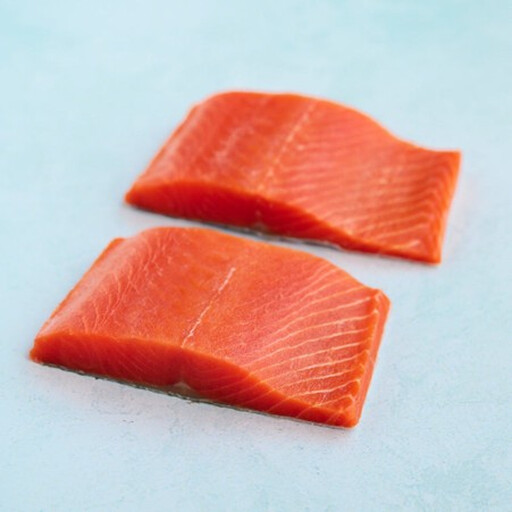
A frozen fillet suits a breakfast with time set aside for preparation and cooking. Instructions differ by product: Tesco gives a from-frozen oven method for its Wild Salmon Fillets 500G, while M&S instructs shoppers to defrost its Scottish Salmon Portions before cooking.
If ingredients, salt, skin, bones or allergens decide your purchase, compare the exact packs. Princes lists red salmon and salt for its Wild Pacific Red Salmon; another tin or frozen fillet may have different details.
For a weekday breakfast, start with whether you need salmon ready to use or can prepare a cooked fillet. Then check the details that matter on the individual pack.
| Concern | What to check | Who this matters to |
|---|---|---|
| Ready-to-use breakfast | Check the tin’s drained weight and whether it is labelled skinless and boneless. | I need salmon I can add to breakfast without defrosting or cooking a fillet. About 42% of consumers put that immediate-use need first. |
| Cooked fillet | Read the exact pack’s cooking and defrosting directions, including any freezer-storage and refreezing instructions. | A cooked fillet is worth planning ahead for when that serving style matters more to me than speed; roughly 33% of consumers make it their primary concern. |
| Pack details | Compare ingredients and salt on the stated basis, and check skin, bones and allergen information. | If a particular ingredient or fish format affects my choice, I need the current label before deciding. That pack-level check comes first for about 25% of consumers. |
Tinned salmon can contain edible bones, while Tesco also lists products specifically labelled skinless and boneless.
If bones or skin matter to you, look for that wording on the exact product rather than relying on the category name.
A salt value for a named tin or frozen fillet describes that product, not the whole format. Tinned values may also be given per 100 g drained, while a frozen product may state values per 100 g as sold.
Check the stated basis and the current nutrition information for the products you are comparing.
Tesco Wild Salmon Fillets 500G gives an oven time of 18–23 minutes from frozen. M&S Scottish Salmon Portions instead instruct shoppers to defrost thoroughly before cooking and not to refreeze after defrosting.
Read the directions for your chosen pack before deciding whether its preparation fits your morning.
Fish is an allergen. Food Standards Agency guidance requires food businesses to provide allergen information; a picture or general brand description does not replace the exact product information.
Read the current ingredients and allergen information on the pack or retailer listing, particularly when buying for someone with a fish allergy.
A tinned-salmon brand represented in Tesco’s assortment.
A tinned-salmon brand with Wild Pacific Red Salmon listed in 105 g and 213 g sizes.
A retailer own-label range covering tinned salmon and frozen wild salmon fillets.
A retailer own-label range with tinned salmon and frozen Scottish Salmon Portions.
These options include cupboard-stored pink salmon for a breakfast assembled without fillet cooking and frozen salmon steaks for a cooked serving that needs preparation time.
 No image available
A cupboard-stored tinned option for breakfasts assembled without cooking a fillet. The listing is for four 213 g packs. If avoiding skin or bones is important, check the exact pack; also read its current fish-allergen information.
 No image available
A single cupboard-stored tin for a breakfast that does not involve cooking a fillet. Check the pack if you need salmon without skin or bones, and use its current label for ingredient and allergen details.
 No image available
For a cooked salmon breakfast when you can plan around freezer storage and preparation. These steaks are skin-on; the listing calls for thawing before cooking. Check the current pack’s cooking directions before fitting them into a short morning routine.
Tinned salmon is the more direct choice when you need a cupboard-stored ingredient without a fillet-cooking step. Frozen fillets suit a cooked serving if their storage, defrosting and cooking instructions fit your morning; Tesco’s Wild Salmon Fillets 500G, for example, gives an 18–23-minute oven time from frozen.
Follow the instructions for the exact product. Tesco Wild Salmon Fillets 500G includes a from-frozen oven method, while M&S Scottish Salmon Portions instruct shoppers to defrost thoroughly before cooking.
Salmon is an oily fish whether bought tinned or frozen. NHS guidance advises two portions of fish a week, including one of oily fish; check advice applicable to your circumstances where pregnancy, breastfeeding or children are involved.
Check the ingredient and allergen information for the exact product before buying. Food Standards Agency guidance requires food businesses to provide allergen information for prepacked and non-prepacked food; a general description of a salmon range is not a substitute for the current product details.