
24/7 Customer Support

Free returns

Same-day & Next-day Delivery

Quality Guaranteed

Unlock Your Welcome Offers: FREE Delivery | Up to 80% OFF | Free 30-day JoyPlus trial
Download the APP
Tinned and preserved vegetables can make weekday cooking considerably easier, particularly when you want ingredients for stir-fries, curries, soups, noodles, rice dishes or pasta without another trip to the shops. However, not every tin, jar or pouch offers the same texture, ingredients or portion value.
For UK shoppers, the main challenge is separating useful pantry staples from products that create unnecessary waste. A large container may look economical but spoil quickly after opening, while an attractive “authentic” label may conceal a high salt content or an allergen that does not suit your household.
This guide explains the practical checks to make before buying tinned and preserved vegetables, followed by recommendations for different cooking habits.
The liquid in tinned vegetables contributes to the stated net weight, but it is not the portion you will eat. Water chestnuts, beansprouts, bamboo shoots and tinned mushrooms should be assessed by their vegetable content and drained usability, not simply the size of the tin.
If you regularly cook for several people, compare multipacks or larger formats. For occasional use, a smaller tin or twin pack may reduce leftovers.
Pickled vegetables, Chinese pickles, sauerkraut and seasoned mustard greens often rely on salt, oil, vinegar or fermented seasoning for their flavour and shelf stability. For example, Lao Gan Ma Spicy Pickled Vegetables lists 10.2g of salt per 100g, while YUNSHANBAN Snow Vegetable lists 4.45g per 100g.
These products are generally used as a condiment or flavouring rather than eaten as a large side portion. Check the nutrition panel, especially if you are comparing plain vegetables with seasoned or pickled versions.
A product can contain an allergen even when the main vegetable appears straightforward. Ingredients may include soya, sesame, mustard, celery or sulphites. TT Beansprouts in Water, for instance, contains sulphites, while Pengsheng Olive Vegetables contains mustard, soya and sesame.
Once opened, many products must be drained, transferred to a non-metallic container, refrigerated and consumed within two to seven days. Follow the individual label rather than assuming that a sealed tin remains safe to store in the fridge indefinitely.
Decide whether you need a plain cooking ingredient or a ready-to-eat accompaniment:
A short ingredient list is useful when you want to control seasoning yourself. Napolina Chopped Tomatoes, for example, contains tomatoes and citric acid, making it suitable as a neutral base for sauces, soups and casseroles.
Match the format to your meal planning. A 400g tin is practical for a family sauce, chilli or stew, while a 250g twin pack of bamboo shoots can suit several Asian-style meals. A 450g jar of olive vegetables is more appropriate for households that regularly serve preserved vegetables with congee, rice or noodles.
Also check whether the product is ready to eat. JING NONG Dual-Ear Flower Glutinous Corn requires heating, whereas tinned beansprouts are already heat-sterilised and can be added after draining and rinsing.
For vegan and vegetarian shoppers, look for a clear suitability statement and read the full ingredient list. Cooks & Co Red Kidney Beans and D’aucy Spinach Leaf are listed as suitable for vegan diets. TT Water Chestnuts are described as vegan and gluten-free, but the product may contain traces of several allergens due to shared facilities.
For imported Asian grocery ingredients, check the country of origin, importer details, best-before date and storage instructions. This is particularly important when buying unfamiliar preserved vegetables or stocking up during a promotion.
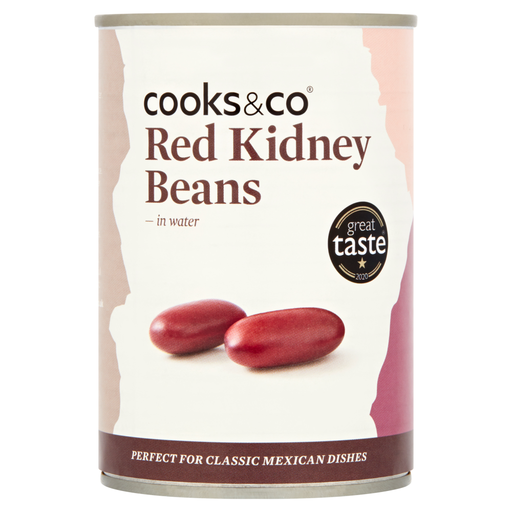
Why This Fits Their Persona: A straightforward cupboard staple for chilli, fajitas, stews and Indian dishes, with no preparation required.
The ingredients are red kidney beans and water, avoiding a heavily seasoned sauce that limits recipe options.
Vegan and vegetarian suitable; provides 6.0g of fibre and 7.6g of protein per 100g.
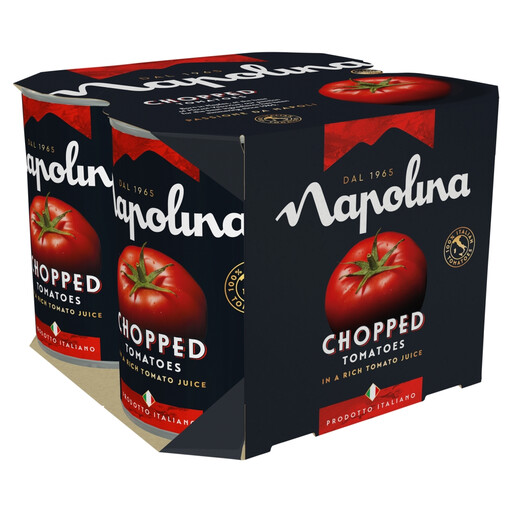
Why This Fits Their Persona: Suitable for cooks who want a dependable Italian-style base for pasta sauces, pizza, soups and casseroles.
The 4 x 400g format is clear, and the stated ingredients are tomatoes, tomato juice and citric acid rather than a complete seasoned sauce.
Four 400g tins for batch cooking; ready to use and listed with no artificial additives.
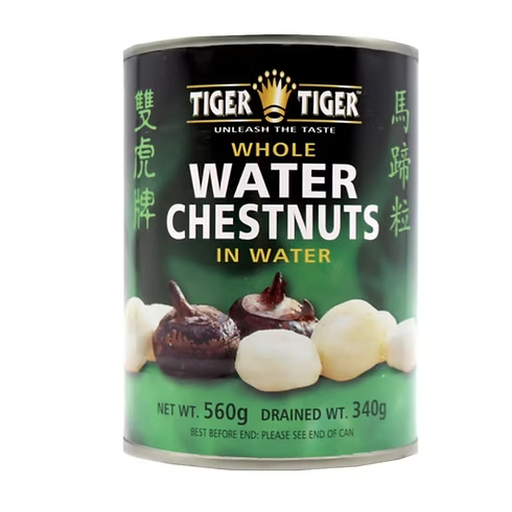
Why This Fits Their Persona: A practical choice for stir-fries, curries, dumplings, soups and salads where a crisp texture matters.
The product instructions specify draining and rinsing before use, helping remove excess packing liquid rather than presenting it as part of the usable vegetable portion.
Whole water chestnuts in water with citric acid; suitable for vegan diets and naturally gluten-free according to the listing.
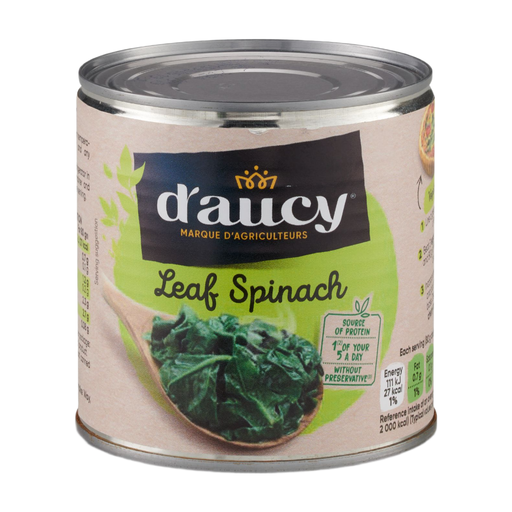
Why This Fits Their Persona: Convenient for adding cooked spinach to curries, soups, stews and side dishes when fresh produce is not available.
The ingredient list contains spinach and water, with no complex sauce or flavouring that would restrict its use in different cuisines.
Listed as vegan and gluten-free; provides 2.9g of fibre per 100g and can be stored at room temperature before opening.
For Asian recipes, consider bamboo shoots, tinned mushrooms and beansprouts when texture is more important than strong seasoning. Zhuxin High Mountain Bamboo Shoots are supplied in a 250g twin pack and are suitable for hot pots, soups and stir-fries. TT Straw Mushrooms are packed in water and can be rinsed before adding to noodles or broths.
If you want a sharper accompaniment, Morrisons Whole Gherkins provide a vinegar-led flavour for sandwiches and burgers, while Baxters Sauerkraut offers fermented cabbage for salads, roast meals and casseroles. Chinese pickles such as Chang Pickled Sour Mustard with Chilli, Chuannan Pickled Vegetables and Fan Sao Guang Appetizing Pickles are more strongly seasoned, so use them in smaller amounts and check allergen information carefully.
We have compiled a complete, real-time list of products that fully satisfy these strict selection criteria and UK safety regulations.
Some are, but suitability depends on the complete ingredient list. Plain red kidney beans, spinach and water chestnuts may fit a vegan diet, while seasoned products can include ingredients such as fish-derived flavourings or animal products. Always check the pack for a vegan statement and allergen details.
Storage varies by product. Several items in this range recommend transferring leftovers to a non-metallic, airtight container, refrigerating them and using them within two days. Tinned beans may allow up to three days, while gherkins and sauerkraut can last up to seven days according to their listed instructions. Follow the label on the specific product.
Rinsing is useful for vegetables packed in brine, preservatives or seasoned liquid. Water chestnuts, beansprouts, bamboo shoots and mushrooms can generally be drained and rinsed before use. For pickled vegetables and olive vegetables, rinsing will reduce some of the seasoning but may also change the intended flavour, so use according to the recipe.