What matters when choosing
Decide whether the finished dish needs flaked fish or an intact cooked portion, then check the pack details that could change how you prepare it.
| Concern |
What to check |
Who this matters to |
| Ready-to-use fish |
Check whether the recipe calls for flakes or intact portions, and whether the product needs cooking. |
When salmon is going straight into rice, pasta or fishcakes, avoiding a raw-fish cooking step matters most. About 33% of consumers would put ready-to-use convenience first. |
| Bones and texture |
Read the exact pack warning, including any qualification on ‘skinless and boneless’. |
If small bones would disrupt the finished dish, the label matters more than a reassuring product name. Bone and texture concerns would come first for about 27% of consumers. |
| Flavour control |
Compare the ingredients in plain and flavoured tins with the seasoning planned for the dish. |
For a recipe with its own spices or sauce, added oil, olives or herbs could change the intended flavour. About 20% of consumers would prioritise control over the seasoning. |
| Fillet presentation |
Check the fillet's storage, use-by date and cooking instructions before planning the meal. |
When the salmon needs to arrive at the table as an intact cooked portion, flakes from a tin will not give the same presentation. That would be the primary need for about 20% of consumers. |
Joybuy product selections
These selections cover plain pink tinned salmon for dishes that use flakes and frozen sockeye fillet steaks for a cooked main. The frozen steaks need a different storage and preparation plan from chilled fresh fillets.
 Image unavailable
Morrisons Pink Salmon 213g (4 Packs)
A four-pack of plain tinned salmon for dishes where the fish will be flaked and seasoned with the other ingredients. Each tin is labelled 213g; check its drained weight and bone information if either affects the recipe. Follow the pack's instructions for any unused contents after opening.
View on Joybuy
 Image unavailable
Morrisons Pink Salmon 213g
A single plain tin for a mixed dish when a four-pack is not the format you need. Check the drained weight against the recipe and read the pack for bone information. Follow its storage instructions for any salmon left after opening.
View on Joybuy
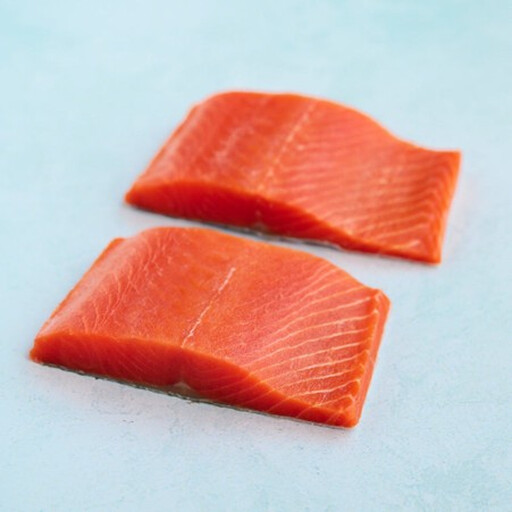 Image unavailable
The Fish Society Wild Sockeye Salmon Fillet Steaks 220g
A fillet-steak format for a meal built around cooked salmon portions rather than tinned flakes. This is frozen salmon, not a chilled fresh fillet: allow time to thaw it and cook it as directed. The steaks are skin-on; check bone information if that matters to your diners. The listing also flags possible crustacean and mollusc allergens.
View on Joybuy
Questions about choosing salmon
Can tinned salmon replace fresh fillets for world food night?
Yes, if the dish needs flaked or mixed salmon, such as fishcakes, rice or pasta. For an intact cooked portion, choose a fillet format and follow its storage and cooking instructions; tinned salmon will not give the same presentation.
Does ‘skinless and boneless’ mean there will be no bones?
No. Marks & Spencer warns that small bones may remain in its skinless-and-boneless red salmon. Check the warning on the particular pack and take care when flaking fish for bone-conscious diners.
How should I keep salmon left over from an opened tin?
Follow the instructions on that tin rather than applying another product's storage directions. Check how the contents should be covered or transferred, whether they need refrigeration and when they should be used.
Is a best-before date the same as a use-by date?
No. GOV.UK explains that a best-before date concerns quality, while a use-by date concerns safety. Check which date appears on the product and follow its storage instructions, particularly when planning a meal around chilled raw fillets.
What ingredients should I check in a flavoured tin or prepared fillet?
Read the current ingredient and allergen information for the exact product. A flavoured John West tin includes olive oil, olives, herbs and red pepper, while the Marks & Spencer chilled lemon-and-black-pepper salmon contains milk from butter. Neither should be assumed to have the same ingredients as plain salmon.


