Choose tinned salmon for a cold or mixed dish that calls for flakes or chunks; choose frozen fillets when you want cooked portions as the main part of the meal. Before buying, match the pack quantity to your guests and check the product’s skin and bone information, ingredients, storage needs and preparation instructions.
Who each format suits
Make-ahead buffet cooks
If your Easter spread includes sandwiches, bagels or other dishes that use salmon as an ingredient, tinned salmon suits recipes where intact fillets are unnecessary. Princes shows its pink salmon drained and broken into chunks for a bagel filling.
Hot-main-course planners
Frozen fillets suit a meal built around individual cooked salmon portions, provided you have freezer space and can follow the chosen pack’s cooking or defrosting instructions. Sainsbury’s lists individually frozen fillets intended for this kind of preparation.
Portion-and-label comparers
If guest numbers, skin or bones, ingredients or leftovers affect your choice, compare the specific packs rather than assuming all tins or fillets are alike. Can weight, drained weight where stated, frozen pack weight and stated servings answer different quantity questions.
What to check when choosing
For an Easter meal, settle the serving format before comparing pack quantities and preparation requirements.
| Concern |
What to check |
Who this matters to |
| Flaked ingredient |
Check that the recipe works with drained chunks or flakes rather than an intact fillet. |
If I’m assembling a cold Easter buffet, I need salmon that works in fillings or mixed dishes. About 27% of consumers put flaked-ingredient use first. |
| Cooked main course |
Check the portions per pack and the cooking directions for the frozen fillets you choose. |
For a plated main, I want a cooked portion for each guest and need to allow time to prepare it. A hot salmon main is the primary need for about 33% of consumers. |
| Usable quantity |
For tins, check drained weight where shown; for frozen fillets, check pack weight and stated servings. |
When planning for several guests, I need enough salmon for the recipe without mistaking can weight for drained quantity. About 20% of consumers place quantity planning first. |
| Preparation and labels |
Read the chosen pack’s ingredients, allergen declaration, bone warning and storage or cooking instructions. |
If I’m serving someone with a fish allergy or need to plan around preparation time, those pack details determine whether the dish is suitable. Label and preparation checks come first for about 20% of consumers. |
Mistakes to avoid
-
Buying a tin for a recipe that needs whole fillets
Drained, flaked tinned salmon changes the presentation and method of a dish designed around cooked portions.
Decide whether your Easter dish needs chunks or intact fillets before choosing a pack.
-
Comparing pack weights as though they mean the same thing
A tin’s weight and its drained weight, where stated, are different measures; frozen packs may instead give a total weight and approximate servings.
Match the relevant quantity on each pack to your recipe and guest count.
-
Assuming “boneless” rules out every bone
The Sainsbury’s frozen fillets described as boneless still warn that some bones may remain. Princes’ tinned-salmon recipe also allows for removing skin and bones.
Read the product warning and check the fish during preparation, particularly when serving guests who need a bone-free dish.
-
Using cooking directions from a different pack
Defrosting methods and cooking times are product-specific; instructions for one frozen fillet pack should not be transferred to another.
Follow the storage and cooking directions on the pack you buy, and check that the fish is piping hot after cooking.
Brands to consider
Princes
A reference point for tinned pink salmon used in cold or mixed dishes.
- Princes lists its Wild Pacific Pink Salmon in 213 g and 418 g sizes, with pink salmon and salt as ingredients.
- Its bagel recipe drains the salmon and suggests removing skin and bones if preferred; check the particular tin against your recipe.
John West
A tinned-salmon brand with different formats listed by Tesco Groceries.
- The Tesco range includes John West salmon in different types and pack formats, giving shoppers options to compare for recipe quantity and skin or bone preference.
- Check the exact product label; a format listed for one John West product does not describe the whole range.
Tesco
An own-label reference for comparing tinned salmon with frozen fillet options.
- Tesco Groceries lists both tinned salmon and frozen salmon fillet products.
- Compare the particular tin or frozen pack for weight, servings and preparation; the two formats are not direct recipe substitutes.
Sainsbury’s
An own-label reference for frozen salmon portions intended for cooked meals.
- Sainsbury’s describes its 360 g salmon fillets as individually frozen, skinless and boneless, with directions for cooking from frozen or after refrigerator defrosting.
- That pack warns some bones may remain. Follow the instructions on the pack purchased rather than applying its timings to other fillets.
Salmon products on Joybuy
These products cover both sides of the Easter meal decision: frozen salmon steaks for a cooked main and tinned pink salmon for dishes that use salmon as an ingredient.
 No image available
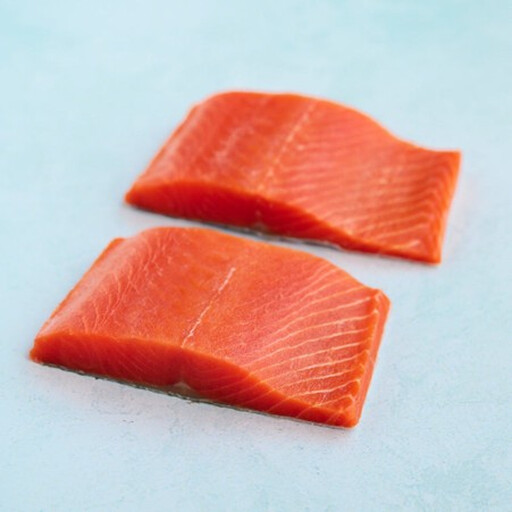
The Fish Society Wild Sockeye Salmon Fillet Steaks 220g
Consider these frozen fillet steaks when the Easter meal calls for cooked salmon portions rather than a flaked filling. They are skin-on; check the pack for bone guidance and the cooking method and timing before planning the meal.
Joybuy
 No image available
Morrisons Pink Salmon 213g, four-pack
This multi-can tinned option suits planning several dishes that use salmon as an ingredient rather than serving whole fillets. The pack contains four 213 g cans; check each can’s drained weight and skin or bone information if those affect your recipe.
Joybuy
 No image available
Morrisons Pink Salmon 213g
This single tin suits a cold or mixed dish where salmon can be used as an ingredient. Check the drained weight and skin or bone information on the can when matching it to a recipe or serving guests.
Joybuy
Common questions
Which salmon works for a cold Easter starter or buffet?
Choose tinned salmon if the recipe accepts drained chunks or flakes. Princes uses its canned pink salmon in a bagel filling after draining it, with the option to remove skin and bones; choose fillets when the dish instead needs cooked portions.
Can I cook frozen salmon without defrosting it?
Some frozen salmon packs allow it, but use the directions on the one you buy. Sainsbury’s gives its 360 g Salmon Fillets a stated oven time of 20–25 minutes from frozen, or 13–16 minutes after refrigerator defrosting; those timings do not apply to other packs.
Is tinned salmon always skinless and boneless?
No. Princes’ pink-salmon recipe suggests removing skin and bones if preferred. If either affects your Easter dish, look for a product explicitly labelled skinless and boneless and check its pack information.
Does choosing a tin instead of frozen fillets help with a fish allergy?
No: changing the format does not remove the fish allergen from salmon. The Food Standards Agency identifies fish as an allergen, and Princes lists fish in its pink salmon ingredients; check the allergen declaration on every product being considered.


