Quick pie-filling cooks
If you want to drain and flake salmon into a sauce without cooking fillets first, tinned salmon fits that preparation plan. Check the can for bones and instructions for storing any leftovers.


Choose tinned salmon if you want to drain and flake the fish straight into a pie filling. Choose frozen fillets if you want larger cooked pieces and can allow for preparation time; with either format, check the exact pack for bones, storage and cooking instructions.
If you want to drain and flake salmon into a sauce without cooking fillets first, tinned salmon fits that preparation plan. Check the can for bones and instructions for storing any leftovers.
If larger pieces of cooked salmon matter more than immediate assembly, frozen portions are worth considering. Check whether the chosen pack is skinless and boneless, and allow for its cooking or defrosting instructions.
If you are planning several servings or a later pie night, compare the usable quantity in a can with the portions in a frozen pack. Think about where the unopened product will be stored and what you will do with any leftovers.
For a salmon pie served with mash, start with the texture you want and the time available to prepare the filling.
| Concern | What to check | Who this matters to |
|---|---|---|
| Quick filling | Check whether the can is ready to eat and how its contents should be stored after opening. | When I need to assemble a pie without first cooking the salmon, a can I can drain and flake suits my plan. About 31% of consumers put quick assembly first. |
| Salmon pieces | For frozen fillets, check skin and bone wording and the pack's cooking instructions. | If I want recognisable pieces of salmon in the filling, I can allow time to prepare fillets. About 31% of consumers make that texture their main concern. |
| Usable portions | Compare pack weight with any drained weight or suggested servings shown for the exact product. | When making enough pie for the table, I need to know how much salmon the pack will provide. Roughly 23% of consumers prioritise portion planning. |
| Storage and labels | Check unopened storage, bone warnings and the current ingredient and allergen label. | If I am buying ahead, I need a format I can store and a label that answers my household's bone or allergen questions. For about 15% of consumers, those checks are the primary need. |
The Asda Wild Alaskan Pink Salmon can warns of soft edible bones, while the Sainsbury's listing for John West Wild Pacific Red Salmon also warns that it contains bones.
If avoiding bones matters, look for an explicit boneless description on the exact product and check its current label.
Frozen fillets need cooking rather than being folded straight into a filling like ready-to-eat tinned salmon.
Choose a pack with cooking instructions that fit your meal schedule, or use tinned salmon when you cannot allow time to prepare fillets.
Some preparation methods also call for refrigerator defrosting before cooking.
Can size, drained contents and suggested servings can affect how much salmon you have for the pie.
Check the usable quantity and portion guidance on the exact can or frozen pack before settling on a size.
Ingredient, allergen and bone information matters when choosing salmon for other people as well as yourself.
Read the label on the pack you receive before preparing the filling.
A tinned-salmon option for a flaked pie filling.
A tinned pink-salmon option for cooks planning a flaked filling.
An own-label frozen-fillet route for a pie with cooked salmon pieces.
Own-label tinned salmon and frozen portions allow a choice of filling format.
An own-label tinned pink-salmon option for a ready-to-use filling.
A fillet option for cooks who plan to prepare salmon pieces before adding them to a pie.
These options cover pink salmon cans for a flaked filling and frozen sockeye fillet steaks for cooks who want larger pieces.
 No image available
The four-pack suits cooks keeping cans for later flaked salmon pie fillings. Check each can's label for bones and instructions for storing contents after opening.
 No image available
This single can suits a flaked filling when a four-pack is more than you want. Check its label for bones and instructions for storing any contents left after opening.
 No image available
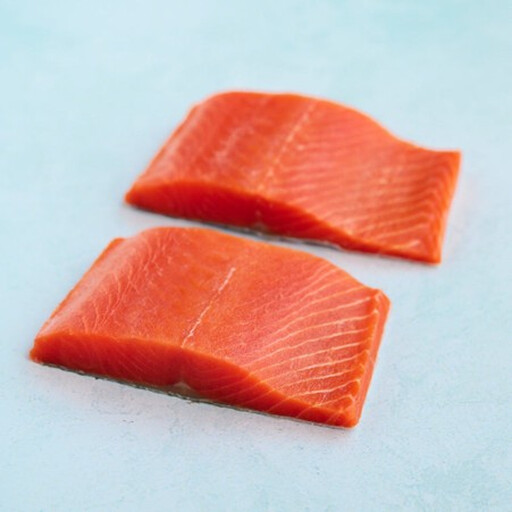
These frozen fillet steaks suit a pie filling with larger cooked pieces rather than salmon flaked from a can. Allow time to thaw and cook them as directed, and check the pack for skin, bones and cooking instructions.
Use tinned salmon when you want to drain and flake it into the filling without cooking fillets first. Frozen fillets suit larger pieces, provided you allow time to cook them according to the pack.
Check the particular can rather than assuming it is boneless. The cited Asda pink salmon warns of soft edible bones, and the Sainsbury's listing for John West red salmon also carries a bone warning; if avoiding bones matters, look for explicit wording on the current label.
Follow the storage and use-by-opening instructions on the can you bought. For example, the Sainsbury's listing for John West Wild Pacific Red Salmon says to refrigerate opened contents and use them within two days.
Some frozen packs provide instructions for cooking from frozen, including the cited Tesco fillets and Sainsbury's portions. Follow the method and timing on your exact pack rather than using instructions for a different fillet.
Check the current pack's ingredient and allergen label before preparing food for anyone with an allergy. The cited salmon products identify fish as an allergen; do not rely on an older online listing in place of the product label.