Cupboard-first lunch planners
If you need salmon for sandwich fillings, salads or a quick after-school meal, a tin lets you plan without a defrosting step. Once opened, follow that tin's refrigeration and use instructions.


Choose tinned salmon when you need a cupboard ingredient for sandwiches or quick meals; choose frozen or freezable raw fillets when you want cooked portions and can plan for storage and cooking. Check the exact pack for storage instructions, bones and added ingredients. Salmon is fish and is unsuitable for anyone with a fish allergy.
If you need salmon for sandwich fillings, salads or a quick after-school meal, a tin lets you plan without a defrosting step. Once opened, follow that tin's refrigeration and use instructions.
If the meal calls for salmon served as fillets, allow space to store them and time to follow the pack's thawing and cooking instructions. Marks & Spencer labels its cited raw salmon fillets as requiring cooking.
Salmon is unsuitable for a person with a fish allergy, as the Food Standards Agency identifies fish as an allergen. Check the exact product for bones and added ingredients too: Sainsbury's warns of small edible bones in its cited tin, while a cited Marks & Spencer prepared fillet contains milk.
Start with the meal you intend to make, then check the particular pack's storage, preparation and ingredient information.
| Concern | What to check | Who this matters to |
|---|---|---|
| School-week storage | Check whether the unopened pack belongs in a cupboard, fridge or freezer, and how to store it after opening or defrosting. | If lunches need to come together without defrosting, I want an unopened tin I can keep in the cupboard. About 31% of consumers put that storage convenience first. |
| Meal format | Choose between salmon to drain and flake and raw fillets that need cooking; read the preparation directions. | For an evening meal served as fillets, I can make time to prepare and cook the fish. Around 31% of consumers prioritise the cooked-fillet format. |
| Pack and nutrition details | Compare serving quantities, drained weight where stated, and salt per 100 g or per serving on the packs you are considering. | When shopping for several meals, I need to know how much each pack provides and how its labelled salt figures compare. About 23% of consumers make pack and nutrition details their main concern. |
| Ingredients and bones | Read the current fish-allergen declaration, any additional-allergen statements and the bone information for the exact product. | If someone has a fish allergy, salmon is not suitable for them; for others, bones or added ingredients may affect the choice. Roughly 15% of consumers put allergen and ingredient suitability first. |
Princes describes its canned pink salmon as suitable for sandwiches and recipes. The cited Marks & Spencer raw fillets, by contrast, must be cooked.
Choose the meal first: buy a tin for a drained, flaked ingredient or fillets for portions you intend to cook.
Sainsbury's instructs shoppers to refrigerate its cited tin after opening and use it within one day. The cited Marks & Spencer fillets must be eaten within 24 hours after refrigerator defrosting.
Match the pack to the portions you plan to use, and follow its own storage and defrosting directions.
A pack larger than you can use within its labelled period may lead to food waste.
Sainsbury's warns of small edible bones in its cited tin. A cited Marks & Spencer buttered salmon product contains milk as well as fish; that does not mean plain fillets have the same ingredients.
Read the current ingredient, allergen and bone statements for the exact pack, particularly when buying for a child or someone with an allergy.
Princes lists Wild Pacific pink salmon in 213 g and 418 g tins, alongside a medium red salmon option.
Tesco lists John West pink and red tinned salmon as well as an olive-oil salmon-fillet format.
Tesco's own-label tinned range includes Wild Pacific pink salmon and product-specific skinless or boneless options.
Sainsbury's Wild Pacific Pink Salmon is a 212 g tinned option.
M&S offers salmon fillets for cooked meals, including raw fillets labelled suitable for freezing and a separate frozen-fillet range.
These selections cover tinned pink salmon for quick meals and salmon fillet steaks for a planned cooked dinner. Choose by the meal and storage routine that fits your household.
 Image unavailable
Consider this four-pack of 213 g tins if you plan to use salmon across several quick meals. Check the current pack for storage instructions after opening and whether it contains skin or edible bones.
 Image unavailable
Consider this 213 g tin when you need salmon for a sandwich filling or another quick recipe. Read its current post-opening storage and bone information before planning portions.
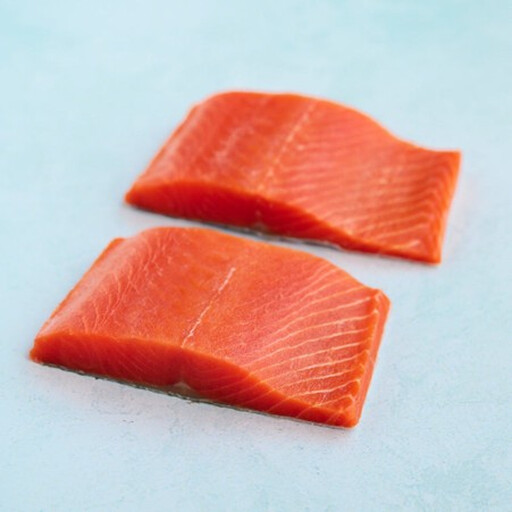 Image unavailable
Consider these 220 g fillet steaks for a meal you plan to cook rather than a quick tinned-salmon filling. Follow the pack's storage, thawing and cooking directions, and check its current allergen statement if crustaceans or molluscs are a concern.
Yes, if salmon is suitable for everyone eating it and you follow the pack's storage directions. Princes describes its canned pink salmon as suitable for sandwiches; Sainsbury's says its cited tin must be refrigerated after opening and used within one day.
Freeze them only when the exact pack permits it, following its dates and instructions. The cited Marks & Spencer raw fillets say to freeze by the marked date, use within one month, defrost in a refrigerator and eat within 24 hours of defrosting.
Check the preparation label for the fillets you buy. The cited Marks & Spencer fillet products are raw and explicitly require cooking, unlike tinned salmon used as a drained ingredient.
Salmon is fish and is unsuitable for someone with a fish allergy; the Food Standards Agency identifies fish as an allergen. Read the current label for every product, since prepared salmon can also contain other allergens: the cited Marks & Spencer buttered fillet contains milk.