
24/7 Customer Support

Free returns

Same-day & Next-day Delivery

Quality Guaranteed

Unlock Your Welcome Offers: FREE Delivery | Up to 80% OFF | Free 30-day JoyPlus trial
Download the APP
Tinned sardines are a practical cupboard staple for toast, sandwiches, salads, pasta and quick lunches. They are convenient, relatively affordable and usually ready to eat, but the tin that looks appealing on the shelf may not suit your preferred flavour, nutrition targets or portion needs.
Before buying tinned sardines, watch for three common pitfalls:
The liquid or sauce affects taste, calories and how you can use the fish.
Look for the percentage of fish in the ingredients list. For example, the Tropical Sun sunflower oil variety lists sardines at 72%, while the Tropical Sun hot pepper product lists herring sardines at 85%.
A fair comparison means checking the same measurement. Oil-packed products may show values per 100g drained, while sauce-packed products may use a different reference.
Useful figures to compare include:
Sardines naturally contain omega-3 fatty acids, but the exact amount varies by product. Where a pack provides a specific figure, use the label as the reference rather than relying on a general omega-3 sardines claim.
A 106g tin and a 125g tin may suit different uses. A smaller tin can be convenient for one snack, while a larger tin may work better for pasta, fishcakes or sharing.
Sardines may contain small bones. These are a normal feature of many tinned fish products, but check the packaging and take care when serving, particularly to young children. Never buy a tin that is swollen, leaking or badly damaged.
After opening, transfer unused fish to a covered, non-metallic container and refrigerate it. Depending on the product, the stated period is commonly 24 hours or two days. Always follow the instructions printed on the packaging.
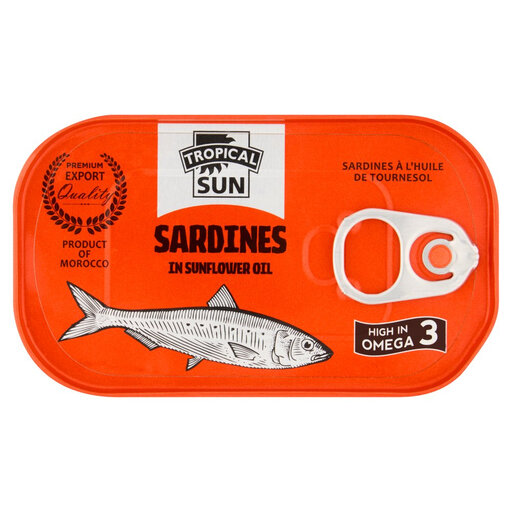
Why This Fits Their Persona: The 125g format is practical for toast, sandwiches, salads or a quick meal when you want one versatile pantry tin.
The label clearly lists sardines, sunflower oil and salt, while the nutrition panel specifies values per 100g of drained product.
125g net quantity; ready to eat cold or gently heated; 23g protein per 100g drained.
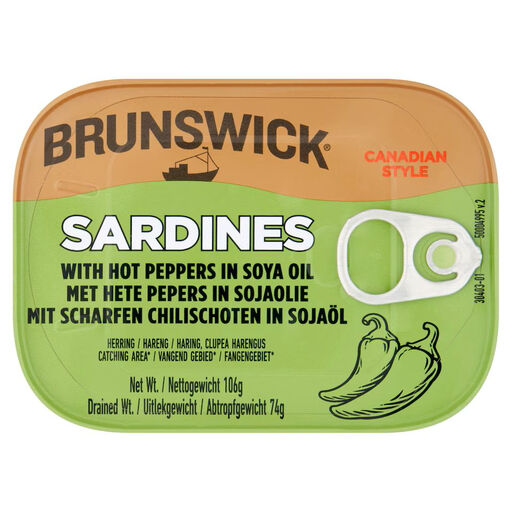
Why This Fits Their Persona: A compact, easy-open tin for shoppers who value a hot pepper flavour and a short ingredient list for snacks or prepared dishes.
Its ingredients identify sardines, soya oil, hot peppers, salt and vinegar, helping you assess the flavour and allergens before purchase.
106g easy-open tin; hot pepper and vinegar flavour; 19g protein per 100g approximate drained weight.
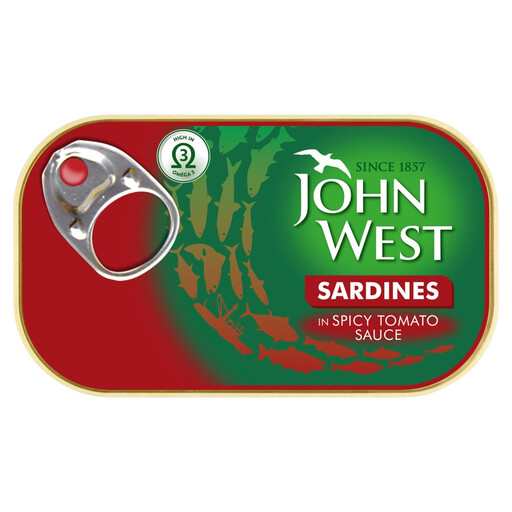
Why This Fits Their Persona: A ready-seasoned option for repeat use in pasta, toast, salads and hot meals without needing to prepare a separate sauce.
The pack states 71% sardines and 11% concentrated tomato paste, making the balance between fish and sauce clear.
120g tin; 20g protein per tin; listed as suitable for hot or cold serving.

Why This Fits Their Persona: Spring water leaves room to customise the fish with lemon, herbs, pepper or olive oil for salads, spreads and lighter lunches.
The ingredient list contains sardines, spring water and salt, with no oil-based sauce listed.
106g net quantity; 20g protein per 100g; ready to eat after draining.
For a quick lunch, mash spring-water sardines with lemon juice, black pepper and chopped herbs. Oil-packed fish can be flaked through pasta with garlic, peas or tomato. Sardines in tomato sauce can be spooned over toast or stirred into rice, while spicy sardines and sardines with hot peppers can add flavour to tacos, salads and sandwiches.
If heating, empty the contents into a pan rather than heating the tin. Warm gently and follow the product instructions; some labels advise against boiling or reheating more than once.
We have compiled a complete, real-time list of products that fully satisfy these strict selection criteria and UK safety regulations.
Yes. Most tinned sardines are cooked during processing and can be eaten cold directly from the tin. Check the label for serving instructions, and transfer leftovers to a covered container before refrigerating.
They can be. Oil-packed products generally contain more fat and energy, but the precise difference depends on the amount of oil retained and whether the figures are measured drained. Compare the nutrition panel on each tin.
Follow the product label. The products described here advise consuming leftovers within 24 hours or two days after opening. Refrigerate promptly in a suitable non-metallic container and discard fish from a damaged, swollen or leaking tin.