People stocking up for quick lunches
If several tins will become ready-to-heat meals, compare equivalent tin sizes and check how many portions you expect to use.


For ready-to-heat lunches, compare the size and number of tins you will use before stocking up. Condensed soup needs water and can also serve as a cooking ingredient, so it is not a direct substitute for a ready-to-heat tin; whichever format you choose, check the exact product’s allergens, salt information and storage instructions.
If several tins will become ready-to-heat meals, compare equivalent tin sizes and check how many portions you expect to use.
When soup will be eaten regularly or shared, the salt information and ingredient panel for each exact flavour matter before you buy several tins.
Condensed soup may suit sauces, stews or bakes if you want a cooking ingredient and can follow its dilution instructions, rather than needing a meal that is ready to heat.
Decide whether the tins are for immediate meals or cooking, then check the quantity and the exact labels before choosing how many to store.
| Priority | What to check | Your needs |
|---|---|---|
| Quantity | Check the weight of each tin, the number of tins in a pack and the suggested portions. Compare packs containing equivalent products. | I want enough lunches for the cupboard without taking home more tins than I expect to use. |
| Soup format | Check whether the soup is ready to heat or condensed. For condensed soup, read the water and serving instructions before estimating prepared portions. | For a quick lunch, I need a ready-to-heat tin; for sauces or stews, I may prefer a soup intended for dilution and cooking. |
| Ingredients | Read the current ingredient and allergen panel for the exact flavour. Check any vegetarian or vegan statement on that product rather than relying on its flavour name. | If someone in my household avoids an ingredient, I need to check every variety before buying a case. |
| Salt and portions | Compare salt information for the portion you will actually eat; check whether the label gives figures per 100g, per serving or both. | When soup is a regular meal, I want to understand what my usual portion contains, not assume that every tin is one serving. |
| Dates and storage | Check the best-before dates and follow the storage instructions, including those for soup left after opening. | I need a quantity I can store as directed and use while its quality meets my expectations. |
Campbell's condensed tomato soup requires added water and is also described as a cooking ingredient. Its supplied weight does not tell you how many prepared portions you will make.
Compare ready-to-heat tins with other ready-to-heat tins. For condensed soup, use the preparation instructions and the portions you plan to make.
ASDA Groceries lists milk and mustard in Just Essentials Tomato Soup; other tomato soups have different allergen declarations. Salt figures can also refer to different portion sizes.
Check the current pack for each flavour, and compare salt for the amount you normally serve.
GOV.UK explains that a best-before date concerns quality, while a use-by date concerns safety. The date alone does not replace the product’s storage instructions.
Check dates before taking home several tins, store them as directed and move older tins to the front of the cupboard.
ASDA lists 400g ready-to-heat tomato soups in both its Just Essentials and standard ranges.
Sainsbury's lists a 400g own-label Cream of Tomato Soup for ready-to-heat meals.
Tesco’s everyday tinned-soup range includes Stockwell & Co and Tesco-branded 400g soups.
Heinz Cream of Tomato is a branded 400g ready-to-heat option for shoppers choosing a familiar recipe.
Campbell's condensed Cream of Tomato is a different format for dilution or use in cooking.
M&S lists several tinned-soup styles, with vegetarian and vegan filters across its range.
These 400g ready-to-heat soups are options for cupboard lunches. Compare the number of tins you intend to buy and check each flavour’s current label before stocking up.
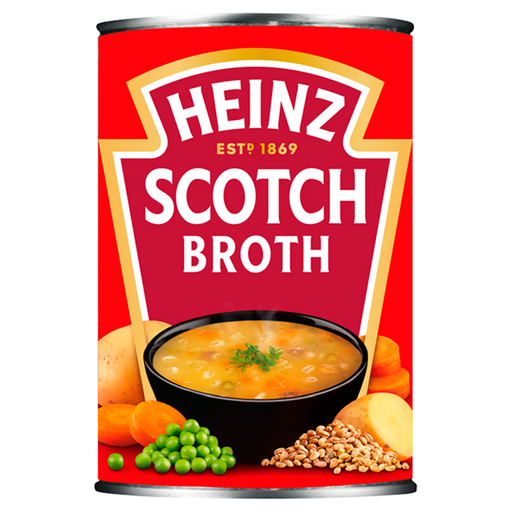 No image available
A 400g tin to consider for ready-to-heat lunches alongside other tins of the same size. Check the current ingredient and allergen panel before buying several.
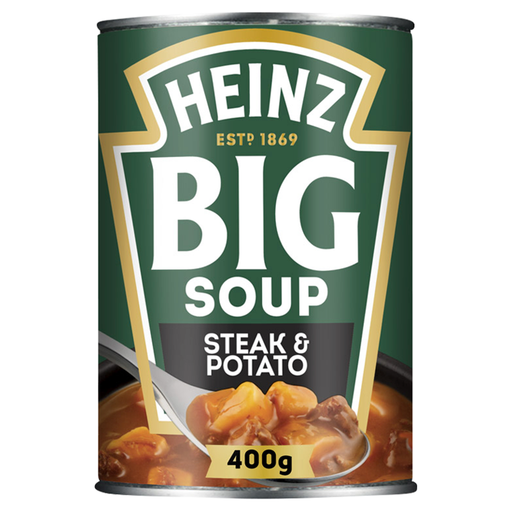 No image available
This 400g Steak & Potato variety is another ready-to-heat lunch option. Check its ingredients and serving information against the other flavours you plan to store.
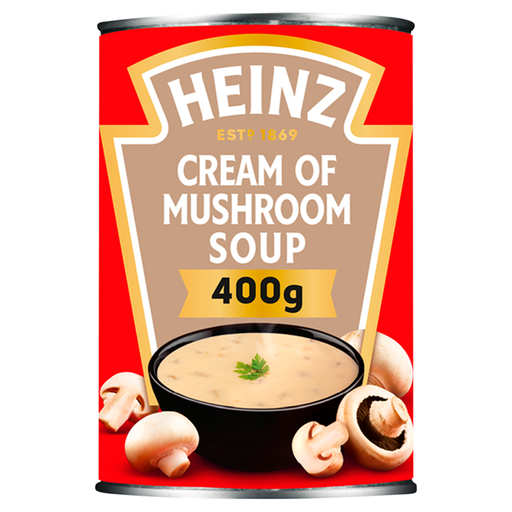 No image available
A 400g ready-to-heat mushroom soup for a cupboard selection. Read the current allergen panel and compare salt for the portion you expect to serve.
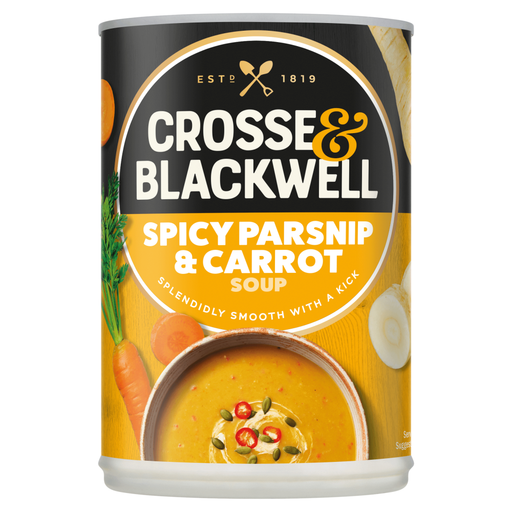 No image available
This 400g Spicy Parsnip & Carrot variety offers a different flavour for ready-to-heat lunches. Check the exact pack’s ingredients, allergens and storage instructions before stocking up.
Not by supplied weight alone. Campbell's condensed tomato soup needs added water and can also be used in cooking, while a ready-to-heat tin is prepared for heating; follow the condensed soup’s instructions to work out the portions you would make.
No. Check the number and size of its tins, any conditions attached to the offer and whether you expect to use that quantity within the product’s quality window.
Compare the amount for the portion you actually eat and check the serving size used on each label. ASDA Groceries lists 0.94g salt per suggested half-can serving for Just Essentials Tomato Soup; Sainsbury's lists 1.1g per half can for Heinz Cream of Tomato.
No. ASDA Groceries lists milk and mustard in Just Essentials Tomato Soup, while the Heinz Cream of Tomato listing declares milk; a British Corner Shop listing declares celery and milk in Campbell's condensed tomato soup. Read the current label for each exact product.
GOV.UK says a best-before date concerns quality, whereas a use-by date concerns safety, and identifies tinned foods as products that commonly carry best-before dates. Check the date on the tins you buy and follow their storage instructions.