
24/7 Customer Support

Free returns

Same-day & Next-day Delivery

Quality Guaranteed

Unlock Your Welcome Offers: FREE Delivery | Up to 80% OFF | Free 30-day JoyPlus trial
Download the APP
Tinned soup can be a practical cupboard staple for quick lunches, light meals and easy dinners. However, attractive packaging does not always tell you whether a product suits your portion needs, dietary requirements or preferred preparation method.
The main buying pitfalls are usually easy to overlook:
A standard 400g soup can is common in UK supermarkets and online shops. Some products are labelled as two servings, making them suitable for a light lunch with bread, while chunky varieties can be more substantial when eaten as a complete meal.
Instant cup soup is sold by total sachet weight, such as 88g or 93g multipacks. It is useful for an office drawer, work-from-home lunch or travel flask, but check the prepared serving size and the amount of salt per cup.
Also consider preparation instructions. Canned soup generally needs gentle heating in a saucepan or a covered microwaveable bowl. Instant soup normally needs boiling water, stirring and a short standing time.
Read the allergen declaration every time, even if you have bought the same flavour previously. Common allergens across soup ranges include:
For vegetarian soup, look for a clear suitability statement and inspect the stock ingredients. For vegan soup, “vegetable” is not enough: milk, honey, cheese and cream must also be absent. Suma Pea & Vegan Ham Soup, for example, contains wheat gluten and soya, so it may suit some vegan shoppers but not those avoiding either allergen.
Use the traffic-light label and reference intake information where available. Salt can be particularly significant: some cup soups provide around 1.2g of salt per prepared cup, while several 400g cans provide roughly 1.1–1.9g for the full can, depending on the recipe.
Protein and texture also affect how filling a soup feels. Beef, chicken, sausage, bean and barley recipes may be more substantial than a smooth tomato or cup soup. Ingredients such as peas, beans, potatoes, barley, noodles and meat can add texture, but the actual percentage varies considerably between products.
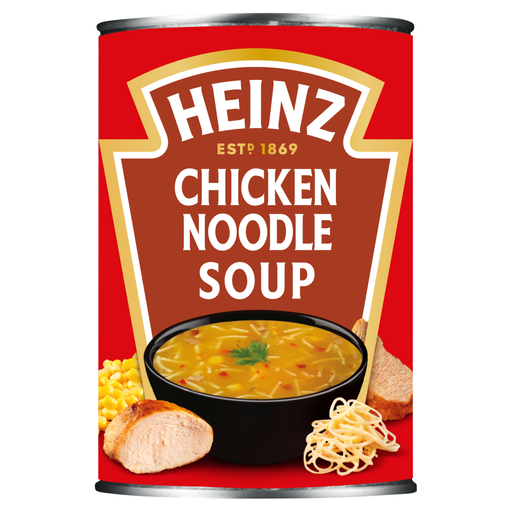
Why This Fits Their Persona: A familiar canned soup format for shoppers building an affordable cupboard selection, with noodles, sweetcorn and chicken in a recipe made in the United Kingdom.
The pack identifies a 400g quantity and provides nutrition for half a can, helping shoppers plan portions rather than guessing from the can size.
Contains noodles, chicken and vegetables; the product information states no artificial colours or preservatives.
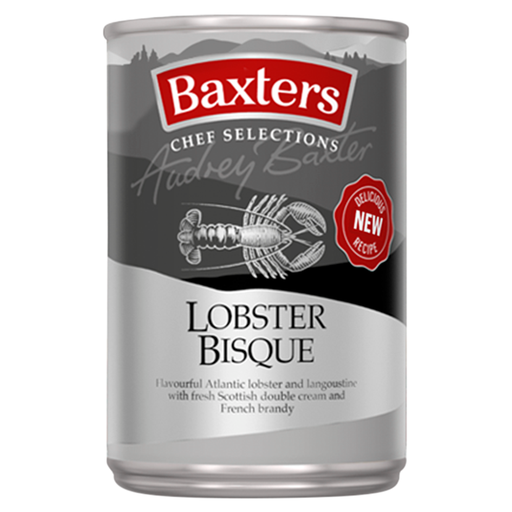
Why This Fits Their Persona: A smoother, occasion-oriented option for adults wanting something different from everyday tomato, vegetable or chicken soup.
Its ingredient list clearly identifies lobster, langoustines, milk, sulphites and celery, making it easier to screen for allergens before purchase.
Contains Atlantic lobster, langoustines, double cream, white wine and French brandy; the 400g can is listed as one serving.
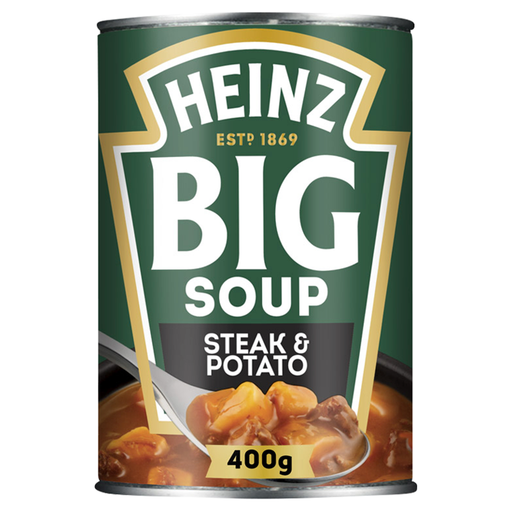
Why This Fits Their Persona: Suitable for shoppers seeking a chunky, more substantial option for a quick lunch or easy dinner with bread or croutons.
The quantitative ingredient information lists potatoes at 12%, carrots at 12% and beef at 10%, giving a clearer picture of its contents.
The product information states no artificial colours or preservatives and describes the recipe as low in fat.
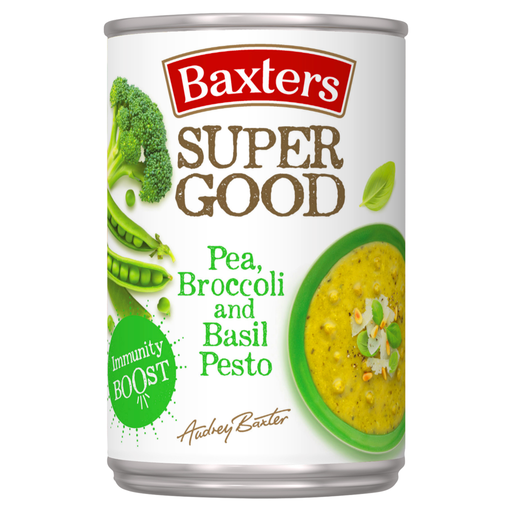
Why This Fits Their Persona: A vegetable-led choice for vegetarian shoppers who want a smooth or textured green soup with a basil and pesto flavour profile.
It is labelled vegetarian and gluten free, while the allergen information specifically identifies milk from pecorino cheese and pine nuts in the recipe.
Contains peas at 22% and broccoli at 7%; the listed nutrition provides 8.7g of fibre per 400g can.
We have compiled a complete, real-time list of products that fully satisfy these strict selection criteria and UK safety regulations.
Follow the instructions printed on the packaging, as microwave timings vary by appliance. Transfer canned soup to a saucepan or microwave-safe bowl rather than heating it in the can. Heat gently and stir to distribute warmth evenly.
Once opened, unused soup should be transferred to a suitable covered container, refrigerated below 5°C, and consumed within two days where the label instructs this. Do not rely on the can’s best-before date after opening. Instant soup sachets should remain sealed and dry; discard any sachet that is open or torn.
It is technically cooked, but most canned soup should be heated thoroughly before serving. Empty it into a pan or covered microwaveable bowl and follow the label instructions. Instant cup soup must be prepared with boiling water and heated as directed.
For the products listed here, the guidance is generally to refrigerate unused soup in a suitable container and consume it within two days. Check the individual label, keep the fridge below 5°C and avoid reheating soup that has already cooled if the packaging advises against it.
Some products are suitable for vegetarians, but a vegan choice requires closer checking. Look for the relevant suitability statement and review ingredients for milk, butter, cream, cheese, honey, meat stock and other animal-derived ingredients. Always check the latest packaging, especially when buying for an allergy or intolerance.