
24/7 Customer Support

Free returns

Same-day & Next-day Delivery

Quality Guaranteed

Unlock Your Welcome Offers: FREE Delivery | Up to 80% OFF | Free 30-day JoyPlus trial
Download the APP
When the weather turns cold or your lunch break is short, tinned and instant soup can provide a convenient cupboard option. However, choosing between ambient soup, Cup a Soup sachets, soup mixes and international noodle soups is not simply about picking the most familiar flavour.
Packaging can make a product look more filling than it is, while serving sizes and allergen details are easy to overlook. This guide explains the main buying pitfalls, the specifications worth checking and our top recommendations for different UK shopping needs.
A 400g tin may contain two servings, while a single instant sachet usually makes one cup. A product described as a “hearty” soup may still be intended as a light lunch or side dish.
Check:
For example, Heinz Big Soup Beef & Vegetable contains 22% vegetables and 10% beef, making it a more substantial option than many lighter cup-style soups. By comparison, instant miso soup is often better suited to a warming side or light meal.
A vegetarian soup may contain milk, barley, wheat or other allergens. Conversely, a product marketed around Japanese or Vietnamese flavours may contain fish-based ingredients that are not immediately obvious from the front of the pack.
Always read the current label for:
Marukome Instant Miso Soup Wakame Vegetarian uses kelp and shiitake-derived flavouring according to the supplied product information and is made without meat or fish dashi stock. Its ingredients still identify soya and possible traces of gluten and sulphite, so it should not be selected solely from the word “vegetarian”.
Instant soup sachets usually need hot water, whereas tinned soup normally needs heating in a saucepan or covered microwaveable bowl. Soup mixes can require much more preparation, including simmering for almost an hour.
Once opened, many tinned soups should be transferred to a suitable container, refrigerated and consumed within two days. Do not store opened soup in the can. For sachets, keep the inner packets sealed and discard any that are torn or open.
Choose the format that matches your routine:
Preparation instructions are important. Heinz Scotch Broth Soup, for example, should be heated gently and not boiled. Marukome instant miso products use hot water and short standing times, while Grace Cock Soup Mix is designed to be simmered with chicken and root vegetables.
Percentage declarations help you compare products more objectively. Heinz Scotch Broth Soup lists 8% pearl barley, 4% mutton and 16% total vegetables. Heinz Big Soup Beef & Vegetable lists 17% potatoes, 10% beef and 22% vegetables. These figures give a clearer idea of texture and substance than phrases such as “rich” or “hearty”.
For vegetable soup, compare the named vegetables and their combined percentage. Baxters Vegetarian Country Garden Soup contains a 38% vegetable mix and 7% cooked rice. Crosse & Blackwell Spicy Parsnip & Carrot Soup lists 25% parsnips and 9% carrots, with cream, butter and wheat flour also included.
Soup can contribute a noticeable amount of salt to a meal. The provided products show examples ranging from approximately 1.19g salt per prepared serving for Batchelors Cup a Soup Tomato to 1.41g for Batchelors Golden Vegetable. Marukome Ryoutei No Aji Fried Tofu Flavour lists 650mg sodium per serving, while Grace Cock Soup Mix is marked as very high in salt.
Use the nutrition panel to compare salt per serving, not just per 100g. Also check whether the product suits your dietary requirements. A vegetarian soup may contain dairy, and a Japanese miso soup may contain soya, fish or wheat depending on the variety.
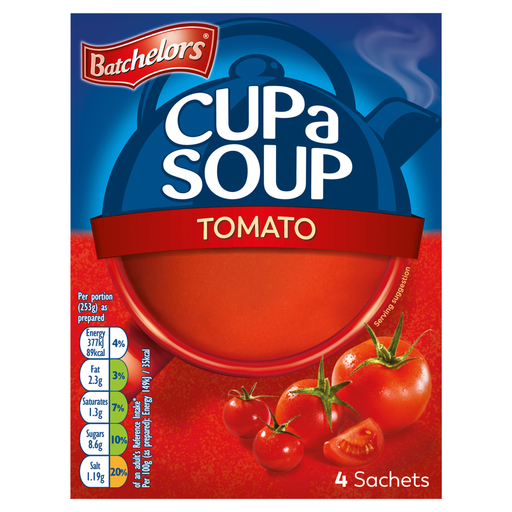
Why This Fits Their Persona: A practical multi-sachet format for students, office drawers and shoppers who want a quick tomato soup without opening a full tin.
The 93g pack states four servings, helping you judge cost per cup rather than assuming the whole pack makes one portion.
Tomato content is listed at 51%; preparation requires hot water, stirring and a short standing time.
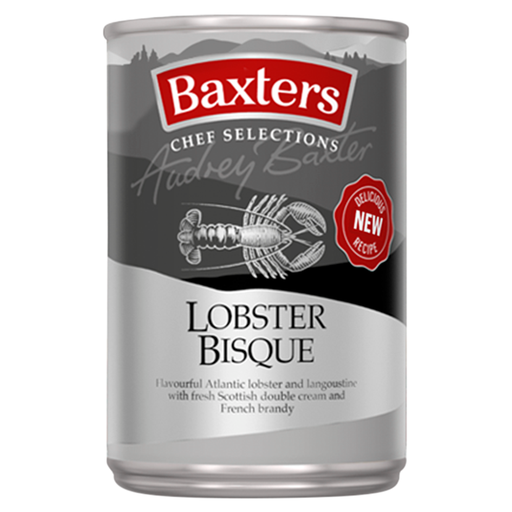
Why This Fits Their Persona: Suitable for a more considered lunch, starter or evening meal when a smooth shellfish soup is preferred over a basic vegetable or chicken soup.
The ingredient list clearly identifies lobster at 5% and langoustines at 3.5%, rather than relying only on a shellfish-themed name.
Includes double cream, white wine and French brandy; contains crustaceans, milk, sulphites and celery.
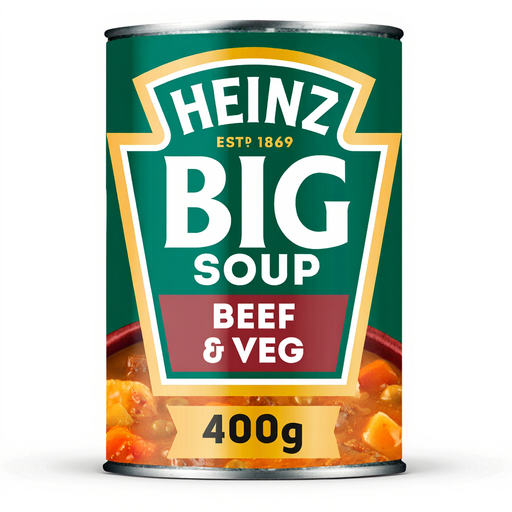
Why This Fits Their Persona: A cupboard option for busy households or workers seeking a more filling tinned soup with beef, potatoes and vegetables.
Its listed ingredient percentages make the balance clear: 17% potatoes, 10% beef and 22% vegetables.
The 400g can is stated to serve two and can be heated on the hob or in a covered microwaveable dish.
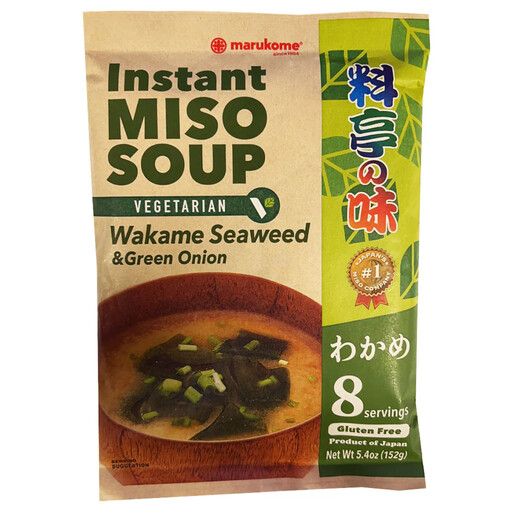
Why This Fits Their Persona: A convenient Japanese miso soup for vegetarians wanting a quick savoury side at home, work or alongside rice and noodles.
The product information specifies a vegetarian soup base without meat or fish dashi, while still advising shoppers to check soya, gluten and sulphite information.
Includes wakame seaweed and separate garnish; stores in a cool, dry place and prepares with hot water.
We have compiled a complete, real-time list of products that fully satisfy these strict selection criteria and UK safety regulations.
For traditional British flavours, consider Heinz soup varieties such as Scotch Broth, Oxtail, Cream of Mushroom and Chicken Noodle. For vegetarian soup, Baxters Country Garden and Batchelors Golden Vegetable provide different textures and preparation styles.
International food enthusiasts can compare Japanese miso soup with Vietnamese pho soup. Kool Cung Dinh Beef Pho Bo Ha Noi combines rice noodles, seasoning, chilli sauce and a vegetable pack, but the ingredients include fish sauce and possible allergens including wheat, milk, egg, sesame, crustaceans, molluscs, celery and mustard.
Soup mixes such as Grace Cock Soup Mix are different again: they are seasoning bases rather than ready-to-eat soup. They can be useful for a family pot, but require added chicken, root vegetables and approximately 45–60 minutes of simmering.
The answer depends on portion size and pack format. Compare the price per serving rather than the price per tin or box. A 400g can may serve two, while a box of four sachets may provide four smaller cups. Also consider whether you need to buy bread, meat or vegetables to complete the meal.
For the products listed here, unused soup should generally be transferred to a suitable covered container, refrigerated and eaten within two days. Follow the exact storage instructions on the packaging and do not reheat soup once it has cooled if the label advises against it.
Some sachets can be made using hot water from a saucepan, but follow the preparation instructions supplied with the product. Tinned soup normally requires a hob or microwave-safe bowl. Soup mixes usually need a saucepan and longer cooking time, so they are less suitable when you need lunch in only a few minutes.