Couples planning a starter
A warm first course can leave room in the planned meal for a main course or dessert. Decide how much soup each person will have, then include any bread or toppings when considering the finished course.


For a lighter anniversary dinner, tinned soup can work as a measured starter, or as a course with an accompaniment you have planned. Compare calories for the amount you will serve rather than relying on a ‘low fat’ description; check salt and both diners’ dietary requirements before choosing.
The right can depends on whether soup is a small first course, a larger part of dinner or a dish shared by people with different dietary requirements.
A warm first course can leave room in the planned meal for a main course or dessert. Decide how much soup each person will have, then include any bread or toppings when considering the finished course.
A 295g can and a 400g can are not equivalent portions. Use calories per 100g to compare the soups, then use the can or serving figure to assess what will go into each bowl.
Check the current ingredient and allergen declarations for both people before serving. The examples listed by Marks & Spencer and Sainsbury’s include soups with milk, celery or gluten-containing barley; a vegetarian description does not settle other dietary questions.
Choose the soup’s role in the dinner first, then compare the intended portion rather than treating every can as one serving.
| Priority | What to check | Your needs |
|---|---|---|
| Portion energy | Compare kcal per 100g across can sizes, then calculate the portion you will serve. Tesco lists WW Carrot & Lentil Soup at 86 kcal for its 295g can; Marks & Spencer lists Chunky Chicken and Vegetable Soup at 44 kcal per 100g, or about 176 kcal for 400g. | I’m serving soup before another course, so the calories in each bowl matter more to me than a headline figure for a different portion. |
| Salt | Check salt per 100g and for the amount eaten, including any accompaniments. The NHS advises adults to have no more than 6g of salt a day. | If dinner includes bread, cheese or sauces, I want to consider their salt alongside the soup’s. |
| Ingredients | Read the current can’s ingredients, emphasised allergens and dietary statement. Marks & Spencer lists celery and gluten-containing pearl barley in its Chunky Chicken and Vegetable Soup, and milk ingredients in its Cream of Tomato Soup. | Both diners need a soup that fits their requirements; a vegetarian label alone does not tell me whether it is dairy-free or suitable for another exclusion. |
| Place in the meal | Decide whether a smaller serving of smooth soup is a starter or whether a larger bowl is part of the main course. Account for bread, butter, cream or other additions separately, and follow the can’s heating directions. | I’d like the soup to fit the courses we have planned, rather than choosing a can on its own and deciding on portions afterwards. |
Sainsbury’s lists Heinz Cream of Tomato Soup at 102 kcal per half-can serving. Eating the full 400g can is about 204 kcal using its listed 51 kcal per 100g, before accompaniments.
Decide how much each person will have, and use the labelled serving or per-100g figure for that amount.
Soup can contribute salt even when its calorie figure suits the planned course. The NHS advises adults to have no more than 6g of salt a day and to check food labels.
Compare salt for the portion you will eat, then consider salty accompaniments as part of dinner.
A vegetarian description does not establish that a soup is vegan, dairy-free or free from other allergens. The listed soup examples include milk, celery and gluten-containing barley.
Check the exact can’s ingredients and emphasised allergens against both diners’ requirements.
Marks & Spencer warns that its product information can change. That matters when an ingredient, allergen or preparation detail determines whether you can serve the soup.
Read the current can before heating it, including its ingredient list and preparation directions.
These ranges provide useful points of comparison, but nutrition and dietary suitability belong to the individual soup, not the brand as a whole.
A familiar tomato-soup reference when planning a measured starter from a 400g can.
A retailer with own-label and branded soup styles to compare.
A range including tomato, chicken-and-vegetable and other tinned soup styles.
A condensed-soup reference for shoppers considering mushroom or chicken styles.
A retailer reference for checking a specific branded can, rather than an indication of own-label nutrition.
An own-label tomato-soup option to assess by its current pack.
These canned soups offer different flavours and can sizes to consider for a starter or another planned course. Check the current pack for the portion, nutrition and ingredients that matter to your dinner.
 No image available
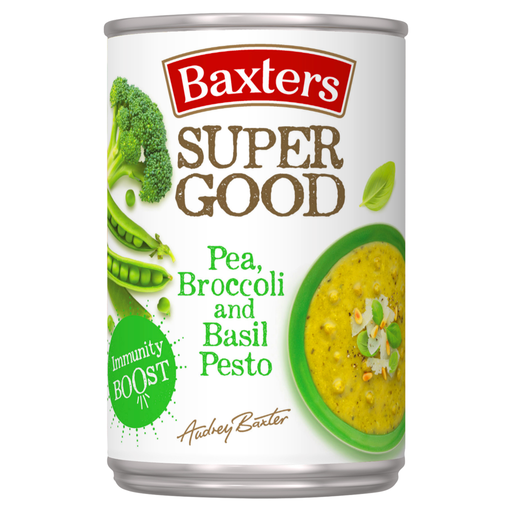
Consider this pea, broccoli and basil pesto soup when planning a vegetable-based course. Decide how much of the 400g can to serve, and check the current pack’s calories, salt and milk allergen declaration.
 No image available
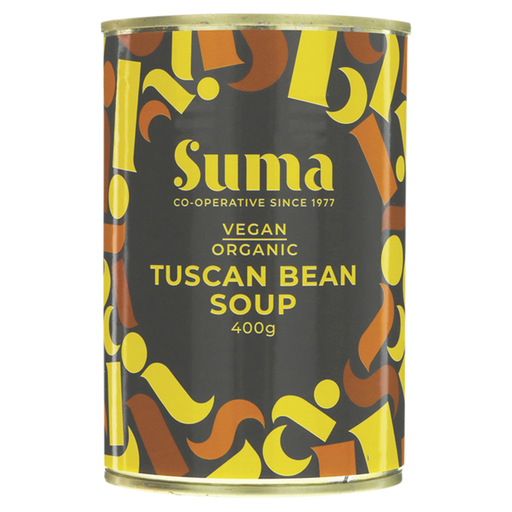
A bean soup is another option if you want a different flavour from tomato or mushroom. Set the portion from this 400g can before comparing calories and salt, and check its current celery allergen declaration.
 No image available
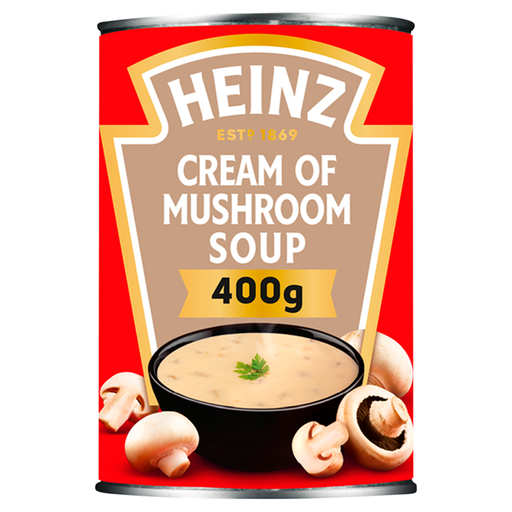
For a mushroom-soup starter, measure the amount each diner will have from the 400g can rather than assuming the whole can is one portion. Check calories and salt for that amount, and read the current milk and wheat allergen information.
 No image available
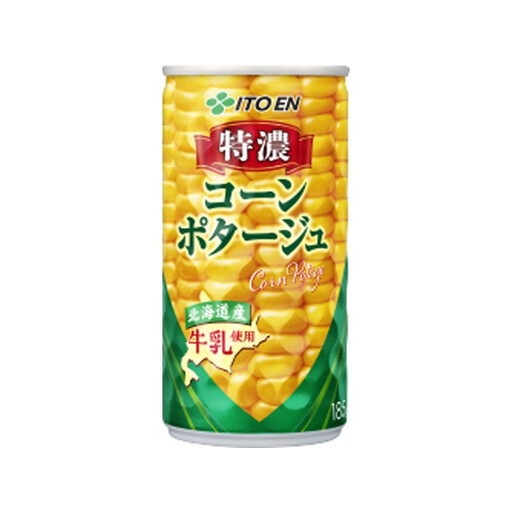
The 185g can gives you a smaller pack to consider for a soup course than the 400g options here. Check the current nutrition panel and preparation directions before serving; check milk and chicken-bouillon ingredients if either matters to your diners.
No: check calories for the portion you intend to eat. Sainsbury’s describes Heinz Cream of Tomato as low fat, but lists 102 kcal for half a can; its 400g can is about 204 kcal using the listed 51 kcal per 100g, before additions.
Use both: per 100g helps you compare different can sizes, while the figure for your bowl or the whole can reflects the amount you will eat. Tesco lists WW Carrot & Lentil Soup at 86 kcal per 295g can; Marks & Spencer lists Chunky Chicken and Vegetable Soup at 44 kcal per 100g for a 400g can.
Check salt for your portion and account for bread, toppings or other courses. The NHS advises adults to have no more than 6g of salt a day. Marks & Spencer lists 0.48g salt per 100g for its Chunky Chicken and Vegetable Soup, which works out to about 1.92g for the 400g can.
Check the current can before serving. Marks & Spencer warns that product information can change, and the soup examples include ingredients such as milk, celery and gluten-containing barley. Compare the exact pack’s allergen declaration with the diner’s requirements.