Guests planning quick cupboard meals
Ready-to-heat tins can simplify an arrival-day lunch or supper. Check the preparation instructions against the cottage’s appliances, and check how many servings the tin is intended to provide.


Stock ready-to-heat tins if guests need a straightforward meal with a hob or microwave; choose chunkier soups for visible vegetables, pasta or meat, and condensed soup when it will also be used in cooking. Check each tin’s allergens, salt information, preparation instructions and intended servings: a shared cottage kitchen does not make similar-looking recipes interchangeable.
The useful choice depends on whether the tin is a quick meal, part of a recipe or food for guests with different dietary requirements.
Ready-to-heat tins can simplify an arrival-day lunch or supper. Check the preparation instructions against the cottage’s appliances, and check how many servings the tin is intended to provide.
Condensed soup is worth considering when a tin will also go into a sauce, bake or casserole. Campbell’s UK describes its condensed tomato and mushroom soups as cooking bases.
Check every flavour’s current allergen declaration. The labelled examples include milk in creamy soups, wheat and celery in some vegetable or condensed soups, and an egg-allergy warning on one chicken-and-vegetable soup.
Decide how the soup will be used, then compare the label details for the portions and guests you have in mind.
Choose it when: A straightforward bowl is the priority and the cottage has the appliance specified on the tin.
Bear in mind: The checked cream-of-tomato examples contain milk; a 400g tin may also need a side dish to suit your meal plan.
Choose it when: Guests want ingredients such as vegetables, pasta, beans or chicken in the bowl.
Bear in mind: Sainsbury’s vegetable example contains wheat and celery; its chicken-and-vegetable example contains wheat and carries an egg-allergy warning.
Choose it when: The meal plan includes a sauce, bake or casserole as well as soup.
Bear in mind: Follow the product’s preparation directions; a condensed recipe is not a direct portion-for-portion substitute for a ready-to-heat 400g tin.
| Priority | What to check | Your needs |
|---|---|---|
| Preparation and portions | Check the stated heating method against the cottage’s hob or microwave. Read the serving count and decide whether the planned meal needs a side. | I want something we can prepare with the equipment at the cottage, in portions that suit the group. |
| Ingredients and allergens | Read the declaration for the exact flavour, including milk, wheat, celery and manufacturing warnings where applicable. A vegetarian label does not establish dairy-free or vegan suitability. | Everyone sharing the kitchen needs an option that fits their requirements; the flavour name alone is not enough to decide. |
| Salt per portion | Compare salt per 100g on the same basis, then check the amount likely to be eaten. For example, Tesco Groceries lists 0.56g per 100g for its Cream of Tomato, while Campbell’s Soup UK lists 0.91g per 100g for its condensed Cream of Tomato; their preparation and portions still differ. | If salt matters to our shopping choice, I want to compare the soup we will actually serve rather than rely on a half-can figure for a larger portion. |
| Storage and leftovers | Check the unopened storage directions and best-before date. After opening, follow the tin’s instructions for transferring, refrigerating and using leftovers. | I may stock the cupboard before guests arrive, but any opened soup needs a suitable container and a plan for when it will be eaten. |
A per-100g figure and a per-half-can figure describe different amounts of soup. Tesco Groceries lists 0.56g salt per 100g for its Cream of Tomato; Sainsbury’s lists 0.89g per half-can for its Cream of Tomato.
Compare products per 100g first, then use the label to work out the salt in the portion you intend to serve.
The checked creamy tomato soups contain milk. Other examples declare wheat or celery, while Sainsbury’s Chunky Chicken & Vegetable carries an egg-allergy manufacturing warning.
Read the current label of every flavour bought for the group. Do not treat a vegetarian statement as a dairy-free or vegan statement.
Instructions differ: Tesco Groceries says to refrigerate its opened Cream of Tomato in a non-metallic container and use it within four days; the checked Sainsbury’s and M&S tomato labels specify two days.
Have a lidded container available, refrigerate leftovers as directed and follow the period on the tin you opened.
Campbell’s UK presents its condensed tomato and mushroom soups as cooking bases. Their intended preparation makes a direct comparison with a ready-to-heat 400g tin less useful.
Choose a condensed tin for a planned recipe or follow its directions when serving it as soup; choose a ready-to-heat tin when a straightforward bowl is the priority.
These examples show why it is worth comparing individual tins rather than assuming every product from a brand or retailer has the same ingredients or storage directions.
The 400g Cream of Tomato is a ready-to-heat tomato example; Heinz Vegetable Soup is another tinned option for a different flavour plan.
Campbell’s UK presents its condensed tomato and mushroom soups for use in recipes as well as soup.
Tesco Cream of Tomato 400g is a retailer own-label example for a straightforward cupboard meal.
Its labelled examples span cream-of-tomato, vegetable, and chunky chicken-and-vegetable soups.
M&S Cream of Tomato 400g is another retailer own-label tomato option.
The relevant Asda Groceries example here is branded Heinz Cream of Tomato 400g, not an Asda own-label soup.
These cupboard-soup options cover smooth, broth-style and vegetable flavours for cottage meals. Check each product’s current pack for the preparation, portion and allergen details that matter to your group.
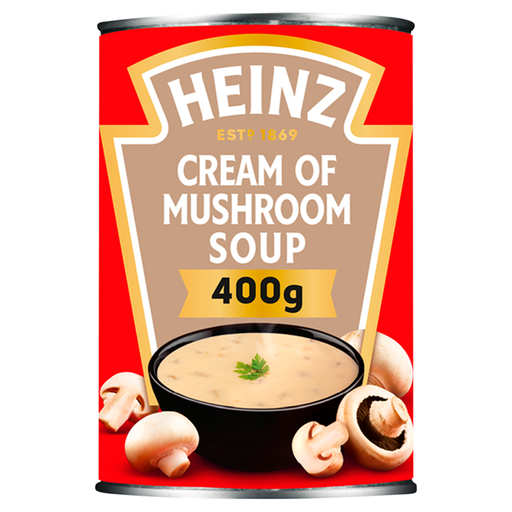 Image unavailable
A mushroom soup option for a cottage with a hob or microwave. Check the declared milk and wheat allergens, and plan how the tin fits the intended meal.
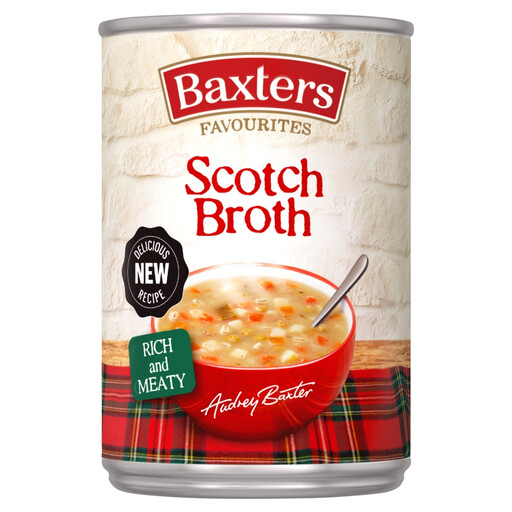 Image unavailable
A broth-style choice with barley, vegetables, mutton and beef for a group that wants those ingredients. Check its gluten and meat suitability and decide how much to serve; the listed salt figure is 1.91g per can.
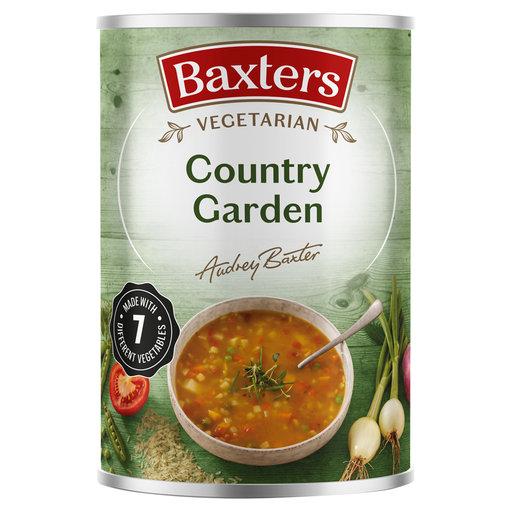 Image unavailable
A vegetable-and-rice option for cupboard stocking. It contains milk, so the vegetarian name does not make it suitable for dairy-free guests; check the pack’s heating directions and servings for your plans.
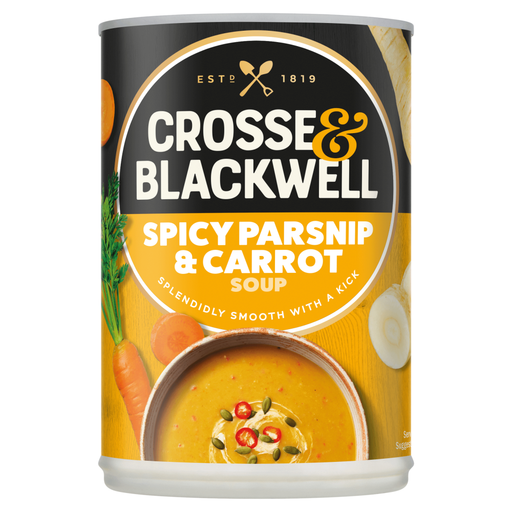 Image unavailable
A parsnip-and-carrot flavour if the group wants variety beyond tomato soup. Check the celery, milk and wheat allergens, along with preparation and leftover directions on the current pack.
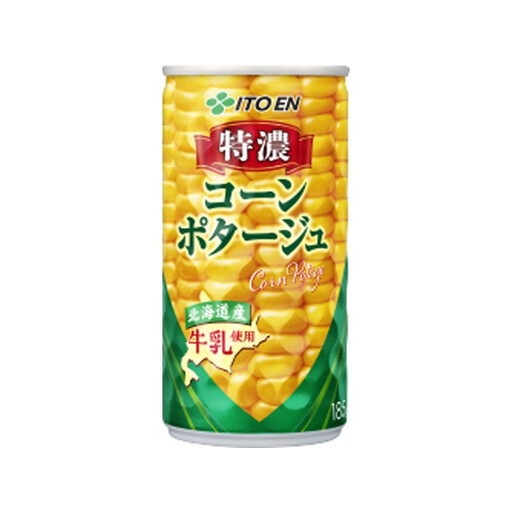 Image unavailable
A smaller canned corn-soup option for a different cupboard flavour. Milk and chicken bouillon flavouring matter when choosing for guests; use the current pack to check nutrition, preparation and storage after opening.
Yes, if the unopened tin’s storage directions permit cupboard storage. The labelled examples call for a cool, dry place; check each tin’s best-before date and storage instructions when stocking up.
Transfer and refrigerate it as the tin directs rather than leaving it in the opened can. Tesco Groceries specifies a non-metallic container and use within four days for its Cream of Tomato; the checked Sainsbury’s and M&S tomato products specify two days. Follow the label on the soup you bought.
The checked Heinz, Tesco, Sainsbury’s, M&S and Campbell’s cream-of-tomato examples declare milk or cream, so those particular tins do not fit a dairy-free requirement. Check the current allergen label of any alternative rather than judging it by its flavour name.
Compare salt per 100g first, then consider the portion you will serve. Tesco Groceries lists 0.56g per 100g for its Cream of Tomato, while Campbell’s Soup UK lists 0.91g per 100g for its condensed Cream of Tomato; check each product’s preparation directions before treating those figures as equivalent portions.
It can be served as soup when prepared according to its directions, but it is particularly relevant if you also plan to cook with it. Campbell’s UK presents its condensed tomato and mushroom soups as cooking bases; check preparation, allergens and servings rather than swapping one tin for a ready-to-heat 400g soup without adjusting the meal plan.