What should you check?
Decide whether the soup is a plated starter, a light lunch or contingency stock before choosing a format; that determines which portions and service arrangements to test.
Premium tinned soup
Consider it when: You want a named starter or light-lunch recipe that can be stored before opening and heated for staffed service.
Plan for: A tasting and a product-by-product allergen check; neither the premium label nor the flavour name settles those questions.
Premium chilled soup
Consider it when: A chilled recipe and its pack format fit the menu, and refrigerated delivery and storage are available.
Plan for: Use-by dates and chilled storage rather than treating it as shelf-stable backup stock. Tesco lists 600g Finest soups in its chilled premium range.
Condensed soup as an ingredient
Consider it when: The kitchen will prepare a separate dish using soup as a base; Campbell’s Soup UK presents its condensed range for use in recipes.
Plan for: The ingredients and allergens of the finished dish, not just those on the soup can.
| Priority | What to check | Your needs |
|---|
| Hot service |
Check the can’s heating directions and the equipment available for heating and holding. Food Standards Agency guidance says hot-held food must remain at 63°C or above in suitable equipment. |
Soup needs to be ready for a short delegate break without relying on a serving kettle to heat an entire batch. |
| Allergens |
Read the current ingredients and allergen declaration for each soup and garnish. M&S says its Golden Butternut Squash and Sage Soup contains milk and celery and is unsuitable for people with nut or peanut allergy. |
I need to tell delegates what is in the finished serving, rather than judging suitability from a vegetable or seafood recipe name. |
| Portions |
Compare the stated servings and pack weight, then test the intended bowl and accompaniments. Sainsbury’s describes its 380g Taste the Difference Chicken & Sweetcorn Chowder as two servings. |
A smaller starter portion and a light lunch call for different quantities, even if the same soup is on the menu. |
| Menu fit |
Choose a recipe that suits the planned course and taste the exact product before ordering for the event. Marks & Spencer lists Collection lobster bisque, mushroom and truffle, and butternut squash and sage tins. |
I want the soup to feel like a deliberate menu choice, not to assume that a premium range name guarantees delegate approval. |
| Storage |
Check storage and date instructions for the exact product, including what applies after opening. For a chilled option, confirm refrigerated delivery and storage arrangements. |
Some tins may be needed as contingency stock; a chilled soup would have to fit the event’s delivery and storage plan. |
Relevant brand ranges
These brand and retailer examples illustrate different menu and storage routes; they are separate from the Joybuy products below.
M&S Collection
Marks & Spencer lists Collection tins including Lobster Bisque, Calabrian Mushroom and Truffle Soup, and Golden Butternut Squash and Sage Soup.
- The listed recipes provide distinct choices for a named starter; the cited tins are 560g–570g.
- The butternut squash and sage recipe contains milk and celery and is unsuitable for people with nut or peanut allergy, according to Marks & Spencer.
Baxters
Sainsbury’s lists Baxters Chef Selections Lobster Bisque Soup in its luxury-soup assortment.
- The listed 400g bisque offers a seafood recipe to consider for a planned starter.
- Check the exact can’s allergens and test whether the recipe and portion suit the delegate group.
Sainsbury’s Taste the Difference
Sainsbury’s describes its 380g Chicken & Sweetcorn Chowder as a two-serving soup made with chicken, sweetcorn, double cream and thyme.
- The stated serving count gives a starting point for portion testing.
- The recipe contains milk; check the current product information and any additions before service.
Campbell’s
Campbell’s Soup UK lists condensed Cream of Chicken, Cream of Mushroom and Cream of Tomato soups and suggests using its condensed products in recipes.
- A condensed soup can be considered when the kitchen is making a separate prepared dish.
- Campbell’s Cream of Tomato lists milk and celery; check the ingredients of the complete dish served to delegates.
Heinz
Heinz appears in Sainsbury’s UK tinned-soup category alongside own-label and other branded soups.
- An identifiable brand to consider when selecting a familiar soup for an informal service or backup.
- Choose by the exact product’s recipe, label and intended menu role rather than by brand familiarity.
Tesco Finest
Tesco lists 600g Finest soups in its chilled premium-soup range, providing a comparison with tinned options.
- The chilled format can be considered when its recipes and pack size fit the planned course.
- It requires a refrigerated delivery and storage plan; it is not a shelf-stable tin.
Tinned soup options on Joybuy
These tinned soups offer three distinct recipe directions for a conference menu. Check each can’s current label, test portions and plan heating and hot service before ordering for delegates.
 No image available
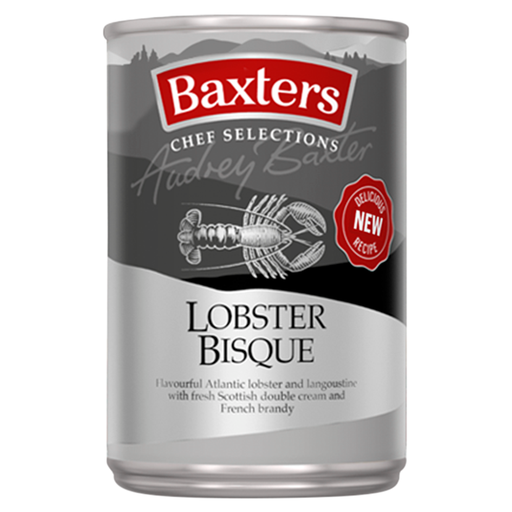
Baxters Lobster Bisque Chef’s Selection Soup 400g
A seafood bisque to consider for a planned starter; test the serving before using it for a conference menu. The listing describes a 400g can as one serving and gives hob-heating directions. It lists crustaceans, milk, sulphites and celery, and says not to reheat the soup once cooled; check the current can before service.
View on Joybuy
 No image available
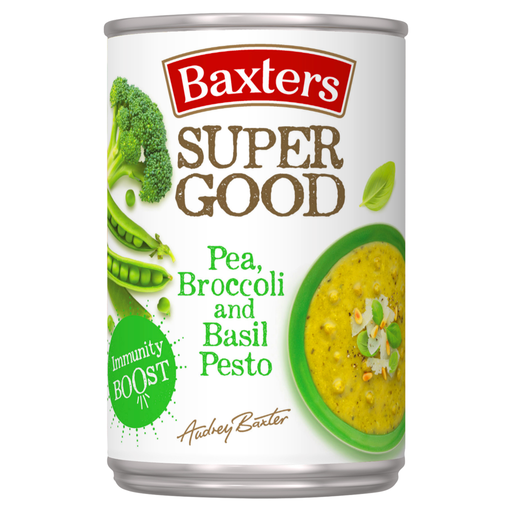
Baxters Super Good Pea, Broccoli & Basil Pesto Soup 400g
A pea, broccoli and basil pesto recipe to consider when the menu needs a vegetable soup. The listing states vegetarian suitability and gives hob and microwave heating directions. It lists milk and pine nuts; check the full current label, and test the portion size in the intended bowl.
View on Joybuy
 No image available
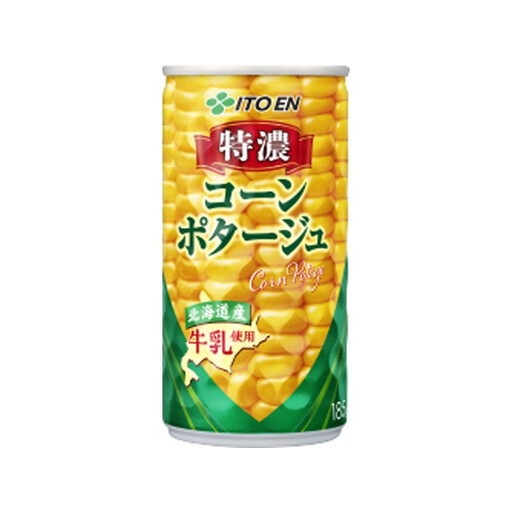
Itoen Special Rich Corn Potage Soup 185g
A smaller canned corn-potage option to consider for a warm starter. The listing identifies a 185g pack and lists milk and chicken bouillon flavouring; do not assume it is vegetarian. Check the current can’s heating directions, allergens and serving guidance before planning batch service.
View on Joybuy
Conference soup questions
Can tinned soup be served at a conference buffet?
Yes, if the service can meet the applicable food-safety and allergen requirements. Follow the soup’s heating instructions and use suitable equipment for hot holding; Food Standards Agency guidance says hot-held food must be kept at 63°C or above. Plan how staff will check temperatures and replenish the soup during service.
Do allergens still need to be communicated when soup is poured into a kettle?
Yes. Food Standards Agency and Food Standards Scotland guidance requires food businesses to provide allergen information, including for food served without its original packaging. Keep the current product information available, account for garnishes and make sure staff can give accurate information about the soup served.
How many conference portions should I plan per tin?
Start with the product’s stated serving guidance, then test a portion in the bowl you will use. Sainsbury’s describes its 380g Taste the Difference Chicken & Sweetcorn Chowder as two servings, but that does not establish the yield of other recipes or the right size for your starter or lunch.
When is chilled soup worth considering instead of tins?
Consider chilled soup when its recipe and pack format suit the menu and you can manage refrigerated delivery, storage and use-by dates. Tesco lists 600g Finest soups in its chilled premium range; choose a tinned format instead when the plan calls for stock that can be stored before opening without chilled storage.
Can opened soup be kept for a later session?
Follow the storage directions on the exact product and plan the later service around them. For example, Marks & Spencer says its Cream of Tomato Soup should be transferred to an airtight container, refrigerated after opening and eaten within two days. Do not apply that product’s instructions to a different soup.


