Everyday cyclists planning a cupboard meal
If soup is a quick meal after a commute or routine ride, check what a full can contributes rather than judging it by the serving figure alone.


For an everyday or post-ride meal, use tinned soup as a base: compare carbohydrate, protein and salt for the amount you will eat, then consider what else the meal needs. For a hard ride lasting more than an hour, do not rely on a can of soup as your on-bike fuel; the British Dietetic Association advises carbohydrate intake during prolonged hard exercise and carbohydrate-rich food and fluids when quick recovery is needed.
If soup is a quick meal after a commute or routine ride, check what a full can contributes rather than judging it by the serving figure alone.
When quick recovery matters, soup can be part of a meal alongside other food and fluids. The British Dietetic Association advises starting with carbohydrate-rich food and fluids as soon as possible after exercise when quick recovery is required.
Check the suitability statement and allergen declaration on the exact can. A vegetarian label does not establish vegan suitability, and recipes differ across flavours and ranges.
Start with the role soup will play: a meal at home calls for a whole-can label comparison, while eating during a long, hard ride calls for a separate fuelling plan.
| Priority | What to check | Your needs |
|---|---|---|
| Carbohydrate | Check carbohydrate per 100g, the can size and how much you will eat. For condensed soup, follow the preparation directions before comparing a bowl with ready-to-serve soup. | I want to know what soup contributes to my meal, rather than treating a can as my plan for a long ride. The British Dietetic Association distinguishes post-exercise refuelling from carbohydrate intake during hard exercise lasting more than an hour. |
| Protein and fibre | Compare both figures on the same full-can basis and read the ingredient list. Marks & Spencer lists 8.4g protein and 6.4g fibre for a 400g can of M&S Minestrone; Sainsbury's lists 4g protein for its 400g Cream of Tomato. | If soup will form most of my meal, I want to see what the can contains before deciding which other foods to serve with it. |
| Salt | Multiply the per-serving salt figure by the number of servings eaten. Sainsbury's lists 1.76g per 400g tomato-soup can, Marks & Spencer lists 1.8g per 400g minestrone can, and Sainsbury's lists 2g per 400g Heinz tomato-soup can. | When I finish a whole can, I need its whole-can salt figure, including when I serve it with other foods. GOV.UK recommends no more than 6g salt a day for adults. |
| Ingredients and format | Check the exact recipe's dietary-suitability and allergen statements. Also check whether the soup is ready to serve or condensed and needs preparing. | I might want a plant-based soup or need to avoid a particular ingredient; a range name or another flavour's label is not enough to make that choice. |
A 400g can of Sainsbury's Cream of Tomato supplies 26.8g carbohydrate and 4g protein; the same size can of Heinz Cream of Tomato supplies 27.2g carbohydrate and 3.2g protein, according to their Sainsbury's labels. Those figures describe the soup, not everything a post-ride meal might contain.
Use the can as a meal base and consider other food and fluids in light of when you next need to eat or ride. The British Dietetic Association advises carbohydrate-rich food and fluids promptly when quick recovery is required.
Sainsbury's Cream of Tomato lists two servings per 400g can. If you eat the whole can, a per-serving figure understates the amount you have eaten.
Calculate nutrition for your actual portion, particularly salt. GOV.UK recommends that adults have no more than 6g salt per day; the Sainsbury's tomato soup lists 1.76g for its full can.
A suitability statement applies to the particular product, not every soup bearing the brand name. Marks & Spencer labels its Minestrone vegan and vegetarian, while the suitability of another recipe needs its own label check.
Read the ingredient and allergen declarations on the current pack, especially when changing flavour or choosing soup for someone with an allergy.
These ranges offer different soup styles; the figures below apply to the named products, not every can sold under each name.
Its own-label Cream of Tomato is a straightforward 400g meal base with a published nutrition label.
M&S Minestrone offers a pasta-and-bean soup option for an at-home meal.
Cream of Tomato 400g is a branded tomato-soup option with a published UK grocery label.
Tesco Groceries lists its own-label Cream of Tomato and Plant Chef Tomato and Basil among its tomato-soup options.
Tesco Groceries lists Campbell's Condensed Cream of Tomato Soup in a 295g format.
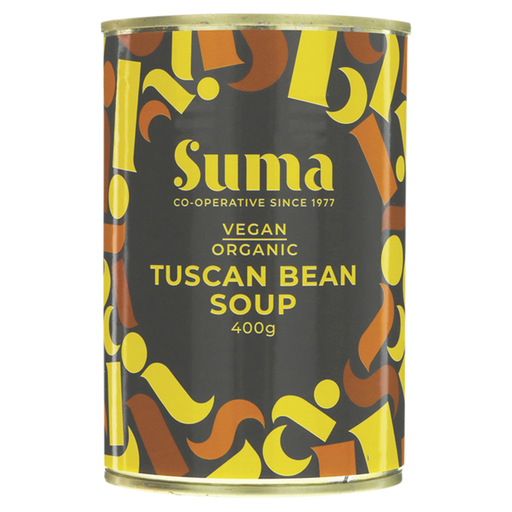
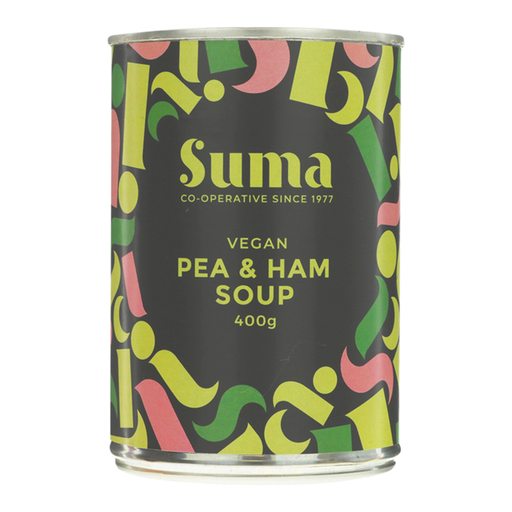
These two Suma 400g soups are options to consider as part of an at-home cycling meal. Check their current packs for whole-can nutrition and dietary suitability before choosing.
 No image available
Consider this bean soup as an at-home meal base after cycling. Check carbohydrate, protein and salt for the amount you plan to eat, alongside the rest of the meal.
 No image available
This pea soup is another at-home meal-base option. Check whole-can salt and the current pack's milk allergen declaration before relying on the vegan wording in its name.
Do not assume a can of soup will cover on-bike fuelling and fluids. British Cycling discusses regular carbohydrate intake during sportives, while the British Dietetic Association says carbohydrate intake can enhance performance during hard exercise lasting more than an hour. Plan food and drink for the ride separately from a soup meal before or afterwards.
Sainsbury's lists 26.8g carbohydrate and 4g protein for its 400g Cream of Tomato can. Treat those as the soup's contribution and consider the other food and fluids in the meal, particularly when quick recovery before another session matters.
If you eat the whole can, its full-can figure reflects what you have eaten more closely than a half-can serving figure. Sainsbury's lists 1.76g salt for its 400g Cream of Tomato, Marks & Spencer lists 1.8g for M&S Minestrone, and Sainsbury's lists 2g for Heinz Cream of Tomato. GOV.UK recommends no more than 6g salt a day for adults.
No. Read the current pack's ingredient and allergen declarations for the exact soup. For Suma Pea & Vegan Ham Soup, check the milk allergen declaration rather than relying on the wording in its name.
Follow the directions for your particular product. The Joybuy Heinz Cream of Tomato 400g product information says to put unused soup in a suitable container in the fridge and eat it within two days; check another soup's pack for its own instructions.