Cyclists planning a light rest-day lunch
A warm, portioned soup may fit a lower-demand day. Compare the whole-can figures if you will eat the whole can, and include any bread, toppings or sides in the meal you are planning.


Low-calorie tinned soup can suit a light meal on a lower-demand day, but it should not be your only food when a demanding ride calls for more fuelling or prompt recovery. Compare calories, carbohydrate, protein and salt for the amount you will eat; if soup forms part of a meal around training, consider what the rest of that meal contributes.
The useful distinction is between a light eating occasion and a meal that needs to contribute to training fuelling.
A warm, portioned soup may fit a lower-demand day. Compare the whole-can figures if you will eat the whole can, and include any bread, toppings or sides in the meal you are planning.
A low-calorie soup may be one part of a meal, rather than the whole plan for a demanding session. The British Dietetic Association says carbohydrate needs depend on the training programme and overall dietary goals.
Serving size can change how useful a label figure is: check salt for your actual portion, then read the current ingredients and allergen declaration if particular ingredients matter to you.
Start with the amount you expect to eat, then check whether soup is a light meal on its own or one component of food planned around a ride.
| Priority | What to check | Your needs |
|---|---|---|
| Training fuelling | Compare carbohydrate and energy for the portion you will eat. Consider the ride’s timing and demands, and what else is in the meal. | If a demanding ride or another session is coming up, I do not want a light can of soup to be my only planned food. The British Dietetic Association says carbohydrate is the main fuel source for exercising muscles and advises carbohydrate-rich food when prompt replenishment is needed. |
| Portion and calories | Check the can size and number of labelled servings. Use per-100 g figures to compare different sizes, then calculate the total for your portion. | I may eat the whole can, even when its label describes half a can as one serving. For example, Tesco Groceries lists 61 kcal per half of its 400 g Low Fat Tomato Soup can, making the whole can 122 kcal. |
| Salt | Read salt per serving and scale it to the amount eaten. Include accompaniments when considering the whole meal. | If I am having a full can, the full-can salt figure matters more than a half-can figure: Tesco Groceries lists 0.69 g per half can of Tesco Low Fat Tomato Soup, or 1.38 g per can. |
| Ingredients | Check the current ingredients and allergen declaration on the exact product. Look for a stated dietary-suitability label if you need one. | I need to know whether the particular can suits my ingredient requirements, rather than assuming every tomato soup or sweet soup has the same recipe. |
A can chosen chiefly for low calories may contribute little to a meal intended around demanding cycling. The British Dietetic Association says carbohydrate requirements depend on training demands.
For a hard session or prompt recovery, consider the soup alongside the other food and drink in your training plan, rather than judging the can alone.
Some nutrition panels use half a can as one serving, so their displayed calories and salt do not describe a full can.
Choose the portion you expect to eat and compare products on that same basis. Per-100 g figures can help when can sizes differ.
Calories and salt are separate label measures. Tesco Groceries lists 1.7 g salt in a 295 g can of Heinz Weight Watchers Tomato Soup, despite its 76 kcal whole-can energy figure.
Read both lines for your portion, particularly when the soup will be served with other foods.
An online description may not be the label on the can you receive, which matters when checking ingredients or allergens.
Use listings to make a shortlist, then check the current can’s nutrition panel, ingredients, allergen declaration and storage instructions.
These examples illustrate why an exact variant and portion matter more than a brand name alone; they do not indicate which products Joybuy sells.
The Weight Watchers Tomato Soup and No Added Sugar Cream of Tomato Soup are distinct variants with different can sizes and serving figures.
Tesco Low Fat Tomato Soup is a 400 g own-label option with nutrition listed for a half-can serving.
Sainsbury’s Tomato & Basil Soup is a 400 g tomato-soup option whose listed serving is half a can.
M&S Cream of Tomato Soup lists nutrition per 100 g, allowing comparison with soups sold in different can sizes.
Tesco Groceries lists Campbell’s 295 g condensed cream-of-mushroom and cream-of-chicken soups.
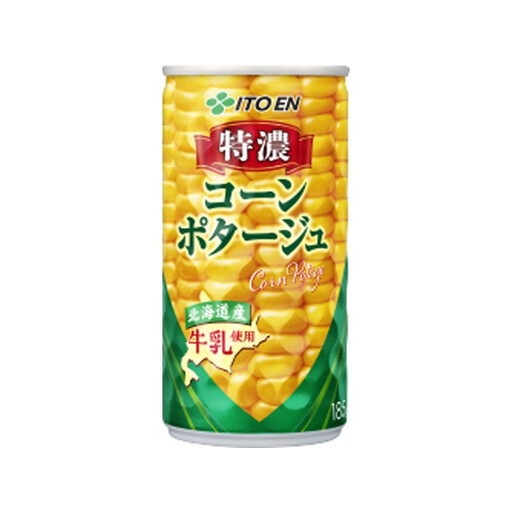
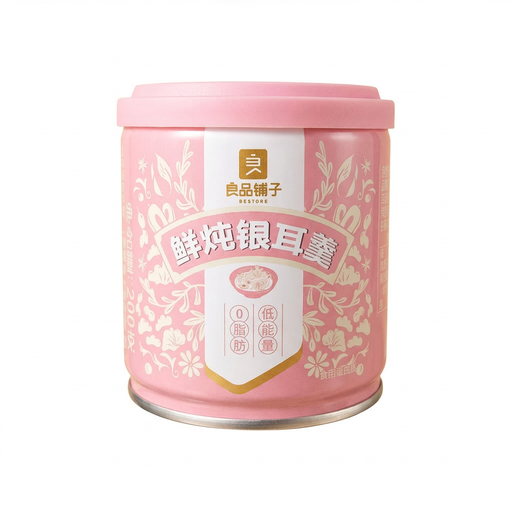
These options are a corn potage and a sweet snow-fungus dessert soup to consider for a lighter eating occasion. Check the exact can before relying on either as part of food planned around cycling.
 No image available
For a lighter occasion, compare this 185 g corn potage with the portion you intend to eat. Check the current can’s carbohydrate and sugars figures before using them to plan food around a ride, as the listed figures conflict; check its ingredients too if you avoid milk.
 No image available
This 200 g sweet dessert soup is a different choice from savoury tomato or corn soup for a light occasion. It contains rock sugar; check the current can’s nutrition panel, including salt, if those figures affect your choice. Do not treat it alone as a fuelling plan for demanding cycling.
Do not assume a light can of soup will meet the needs of a meal intended for prompt recovery. The British Dietetic Association advises starting carbohydrate-rich food or drink promptly when replenishing after exercise matters; consider what carbohydrate and protein the rest of your meal provides.
Use per-100 g figures to compare different can sizes, then use the figures for the amount you expect to eat. A half-can serving figure needs doubling if you eat the entire can; the Food Standards Agency’s UK label guidance recommends using nutrition information to compare products.
No: the two figures describe different things. Tesco Groceries lists 1.7 g salt in a whole 295 g can of Heinz Weight Watchers Tomato Soup, so check salt for your actual portion as well as its calories.
Read the exact can’s current ingredients and allergen declaration before using it, especially if you avoid a particular ingredient. After opening, follow that product’s storage instructions rather than assuming every soup has the same directions.