Families planning individual portions
When someone manages diabetes, the carbohydrate in their own bowl matters more than a front-of-pack sugar claim. Diabetes UK advises checking total carbohydrate and the portion information on the pack.


There is no single type of tinned soup that suits everyone managing diabetes: compare the total carbohydrate and salt in the amount each person will eat, then check how many portions the tins provide. Diabetes UK advises using total carbohydrate rather than sugars alone; a “no added sugar” label does not replace a check of the soup, sides and portion size.
When someone manages diabetes, the carbohydrate in their own bowl matters more than a front-of-pack sugar claim. Diabetes UK advises checking total carbohydrate and the portion information on the pack.
A convenient tin still calls for a look at salt per serving. Diabetes UK cautions that canned and other ready-made soups can be high in salt.
Tomato, vegetable and pulse soups can have different carbohydrate, fibre and protein figures. Compare the labelled amount you plan to serve, along with ingredients and any relevant allergens.
Start with the amount going into each bowl, then compare its nutrition and decide what else the meal will include.
| Priority | What to check | Your needs |
|---|---|---|
| Total carbohydrate | Read total carbohydrate, not just “of which sugars”. Check whether the figure is per 100g, half-can or prepared portion, and include planned sides. | I need to account for the soup in the bowl as well as bread or other sides. Diabetes UK advises checking total carbohydrate because it includes starches as well as sugars. |
| Salt | Compare grams of salt for the same amount of soup. If using traffic-light labelling, check what portion the displayed label describes. | Convenience matters, but I also want to compare salt for the portion we will serve. Diabetes UK cautions that canned soups can be high in salt. |
| Portions | Check the tin weight and stated servings; calculate nutrition for the actual bowl if it differs from the labelled portion. Plan tins and accompaniments together. | Will there be enough soup for everyone at the portions we intend to serve? Tesco lists nutrition per half-can for its 400g Lentil & Vegetable Soup; that portion basis should not be assumed for every tin. |
| Meal ingredients | Compare fibre and protein on the same quantity basis when these matter to the meal. Read the ingredient list rather than relying on a range name. | I may want a pulse soup or a vegetable soup, but I need to consider its labelled carbohydrate and what else will be served with it. |
| Allergens and preparation | Read the current allergen declaration. For condensed soup, check what must be added and whether nutrition is stated for the prepared soup. | If someone needs to avoid an ingredient, I must check the tin before serving. Campbell’s condensed Cream of Tomato contains milk and celery, according to its Tesco listing. |
“No added sugar” does not tell you the soup’s total carbohydrate. Diabetes UK advises checking total carbohydrate, which includes starches as well as sugars.
Use the figure for the amount served and include carbohydrate from planned bread, crackers or other sides.
The ingredients do not establish the salt content. Diabetes UK cautions that canned soups can be high in salt.
Compare the salt figures on the same portion basis before choosing between tins.
A stated serving can be much smaller than the amount someone puts in a bowl. Tesco’s 400g Lentil & Vegetable Soup, for example, lists nutrition per half-can.
Decide on bowl sizes and any sides before working out how many tins the household needs.
Campbell’s Condensed Cream of Tomato is prepared with added water, according to its Tesco listing, and contains milk and celery. Its nutrition figures need to be read on the stated prepared-portion basis.
Follow the preparation directions and check the current allergen label, including any ingredients you add.
A brand or range name is a starting point; the nutrition and ingredients belong to the individual recipe.
Tesco lists standard Heinz soups, Big Soup and No Added Sugar Cream of Tomato among its tinned-soup options.
Tesco Low Fat Lentil & Vegetable Soup is a 400g own-label option with nutrition listed per half-can.
The M&S tinned-soup range includes Eat Well Chunky Vegetable Soup.
Campbell’s Cream of Tomato is a condensed soup that requires preparation, rather than a ready-to-eat bowl straight from the tin.
These tins include broth, pea, bean and beef-and-vegetable soups for planning family portions. Compare each recipe’s label for the amount you intend to serve; the selection does not establish a single choice for everyone managing diabetes.
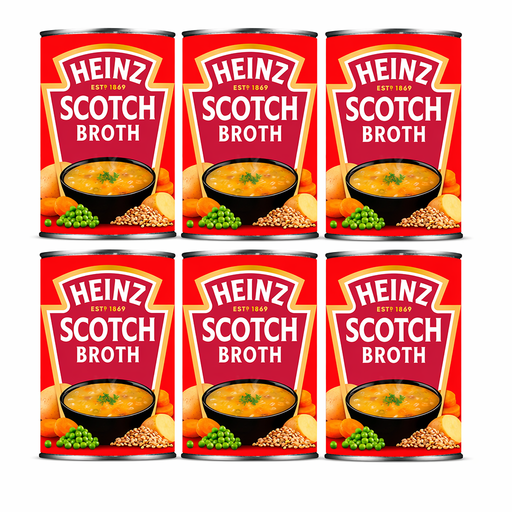 Image unavailable
The six-tin pack can be planned across several meals. Use the carbohydrate and salt figures for a half-can to work out each person’s bowl and any sides; check the current label for barley and wheat gluten.
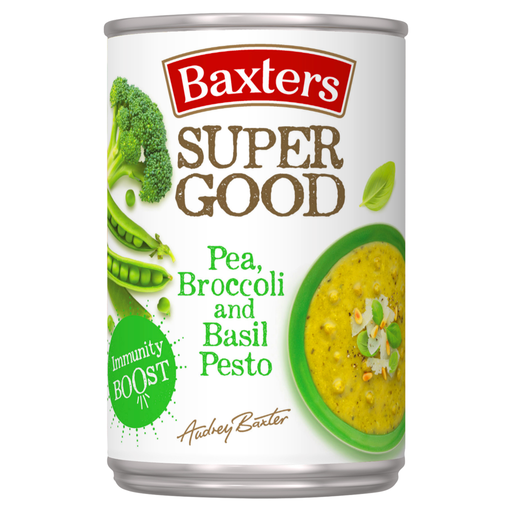 Image unavailable
For a pea-and-vegetable option, use the per-100g or per-can nutrition to calculate the amount served. Check the current ingredients and allergen information for milk and pine nuts.
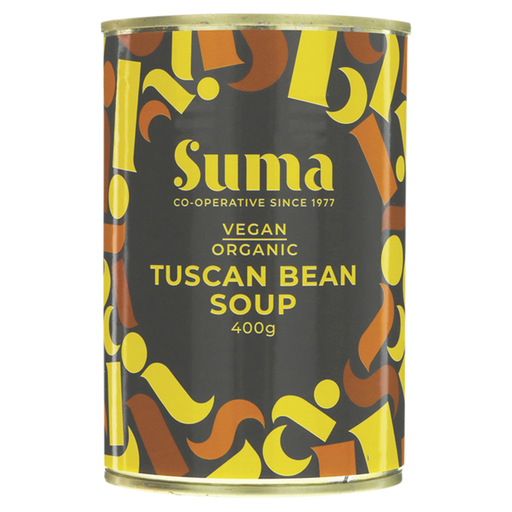 Image unavailable
This bean soup is an option when planning a meal around a measured bowl. Use its per-100g carbohydrate and salt figures for that amount, and check the current label for celery.
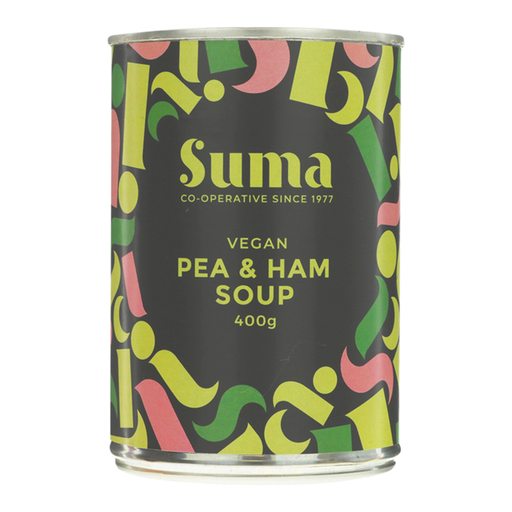 Image unavailable
For a measured serving of pea soup, calculate carbohydrate and salt using the per-100g label figures. Check the current ingredients and allergen information for wheat, soya and milk; the product name alone is not an allergen check.
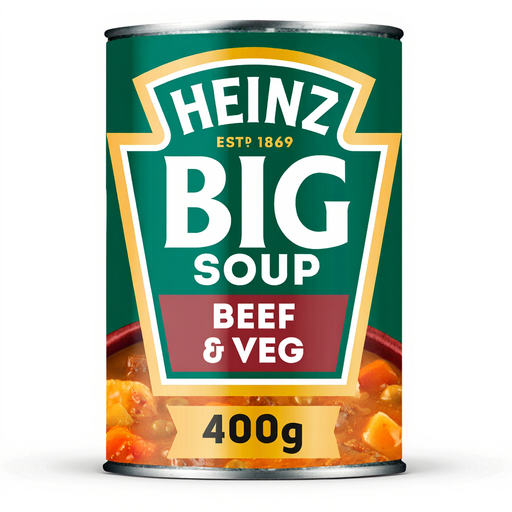 Image unavailable
The 400g tin is described as serving two. Calculate carbohydrate and salt for the amount served from the per-100g figures, include any sides, and check the current on-pack allergen declaration.
Not on its own. Diabetes UK advises checking total carbohydrate rather than sugars alone; use the figure for the bowl served and include any bread or other sides.
Use total carbohydrate for the amount actually served. Check whether the label gives it per 100g, per half-can or per prepared portion, particularly with condensed soup.
Base the count on the tin’s stated servings and the bowls you intend to serve. Where a 400g tin is used as two half-can portions, two tins provide four portions on that basis; adjust for different bowl sizes and meal additions.
Check the preparation directions, the nutrition basis and the current allergen label. Tesco’s listing says Campbell’s Condensed Cream of Tomato needs added water and contains milk and celery; ingredients added during preparation also form part of the finished meal.