What to check before choosing
Start with the amount you intend to serve, then compare similar soups per 100g and read the figures and ingredients that matter for the finished meal.
| Priority | What to check | Your needs |
|---|
| Carbohydrate |
Compare total carbohydrate per 100g, then use the labelled portion or can size to assess the amount eaten. Include bread and other carbohydrate-containing additions. |
I need the carbohydrate amount for my bowl, not just the manufacturer’s suggested serving. Diabetes UK notes that front-of-pack traffic lights do not include carbohydrate. |
| Salt |
Check salt per 100g for comparison and per portion or can for the meal. The NHS states an adult maximum of 6g salt a day. |
For a convenient lunch, I want to see how much salt the portion contributes before choosing between tins. |
| Soup ingredients |
Read the ingredients and carbohydrate figures for vegetable, bean, lentil, pasta or rice soups. Compare fibre where it is declared on equivalent labels. |
I may want vegetables or pulses in the meal, while still accounting for the carbohydrate in the soup and anything served with it. |
| Preparation |
For condensed soup, check whether nutrition is given for the prepared soup and what the preparation instructions add. Assess other recipe ingredients separately. |
If I am making a sauce or bake, the finished serving matters more than the figures for soup alone. |
| Allergens |
Read the ingredients and allergen declaration on the exact can, then check anything added to the meal. Recheck the label when buying again. |
I need to know whether the soup and my recipe ingredients fit any allergies or dietary exclusions in my household. |
Brand and range references
These ranges illustrate different soup formats; compare the label of the particular tin rather than applying a range description to every product.
Heinz
Tesco Groceries lists Heinz classic and Big Soup products alongside a No Added Sugar Cream Of Tomato variant.
- The listed formats give shoppers different recipes and serving styles to compare.
- “No added sugar” does not establish the total carbohydrate or salt in the serving; check the exact tin.
Campbell’s
Campbell’s Soup UK presents its condensed chicken, mushroom and tomato soups as options for cooking as well as serving as soup.
- Its product information gives prepared-portion figures that can be used when assessing a recipe.
- Campbell’s lists 17g carbohydrate and 1.34g salt per prepared 147.5g portion of Cream of Tomato; the finished meal also depends on what you add.
Tesco
Tesco Groceries groups everyday, plant-based and condensed soups in its tinned-and-packet range, including its Plant Chef Lentil & Pepper Soup.
- The range presents several formats for comparing ingredients and nutrition labels.
- A range category does not establish whether an individual tin fits your carbohydrate, salt or allergen requirements.
M&S
Marks & Spencer lists vegetable, bean and lentil soups among its tinned options.
- Those recipes offer different ingredient combinations to examine for a storecupboard meal.
- M&S cautions that product information and ingredients can change, so read the label on the tin you buy.
Tinned soup options on Joybuy
These tins cover bean soup, broth, potato and leek soup, and vegetable soups. Use their labels to compare the portion you intend to eat; the selection does not determine which recipe fits an individual meal plan.
 No image available
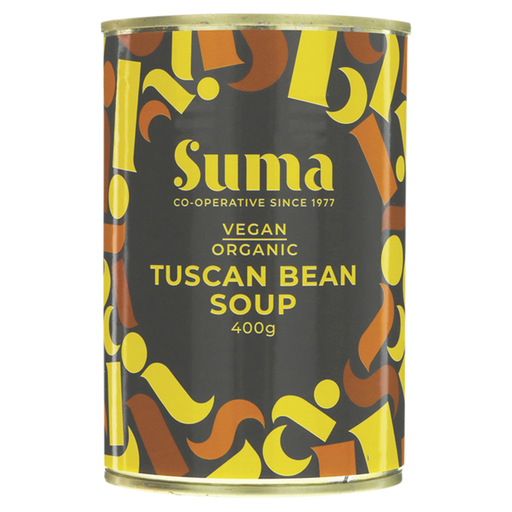
Suma Organic Tuscan Bean Soup 400g
For a bean-soup meal, compare carbohydrate and salt for the portion you will eat rather than relying on the 400g tin size alone. Check the exact tin’s allergen declaration if celery matters to you.
 No image available
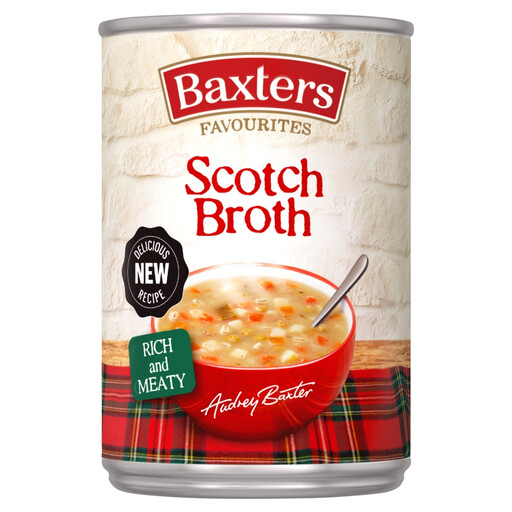
Baxters Favourite Scotch Broth 400g
If you intend to eat the whole 400g tin, use whole-can carbohydrate and salt figures rather than figures for a smaller portion. Check the allergen label for barley.
 No image available
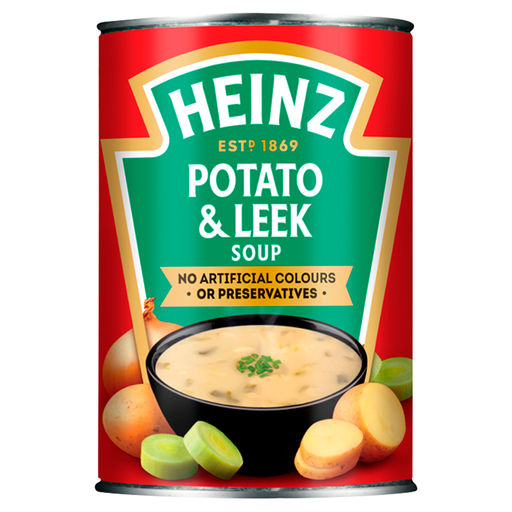
Heinz Potato & Leek Soup 400g
For this potato-and-leek soup, match the carbohydrate and salt figures to the amount served from the 400g tin, including any bread. Check the exact tin’s allergen information if milk matters to you.
 No image available
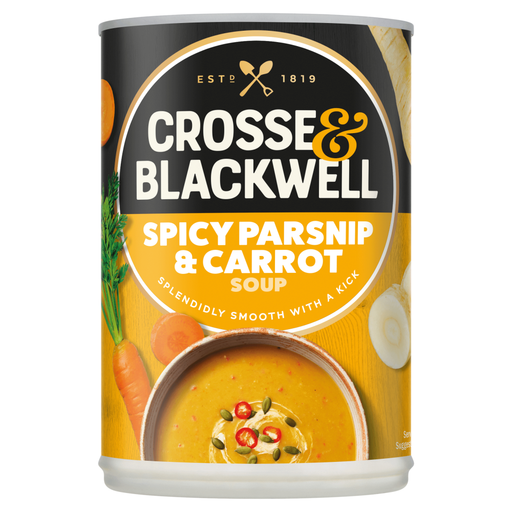
Crosse & Blackwell Best of British Spicy Parsnip & Carrot Soup 400g
Compare this parsnip-and-carrot soup with other vegetable soups on a per-100g basis, then check the figures for your serving from the 400g tin. Read the allergen declaration if celery, milk or wheat matters to you.
 No image available
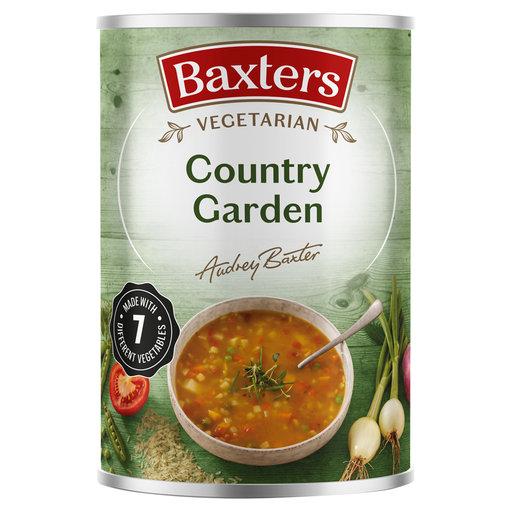
Baxters Vegetarian Country Garden Soup 400g
For this vegetable soup, assess carbohydrate and salt for the portion taken from the 400g tin. Account for its rice when considering the meal, and check the exact tin’s allergen declaration if milk matters to you.
Questions about choosing tinned soup
Is “no added sugar” soup automatically suitable when managing diabetes?
No. The claim does not tell you the serving’s total carbohydrate or salt. Diabetes UK advises checking back-of-pack carbohydrate information, which is not included in front-of-pack traffic lights; assess the amount you will eat.
Which nutrition figures should I compare first?
Compare carbohydrate and salt per 100g between similar soups, then check the figures for your intended portion or whole can. Read sugars, fibre where declared, ingredients and allergens as separate considerations.
Can I eat a whole tin as one serving?
You can assess a whole tin as your serving, but use nutrition figures for the whole amount rather than for a smaller labelled portion. Include anything served alongside it when considering the meal.
How should I assess condensed soup used in cooking?
Check whether its nutrition figures describe the soup as prepared, then account for the ingredients added to the recipe and the size of each finished serving. Campbell’s Cream of Chicken Condensed Soup, for example, declares wheat and milk allergens; check every ingredient if either matters to you.
Should a soup article tell me how to adjust insulin?
No. Use your own diabetes care plan and healthcare team for insulin dosing. Diabetes UK explains that insulin-to-carbohydrate ratios differ between people; a soup label supplies carbohydrate information, not an individual dose.


