Hosts planning a plated starter
If the main course is substantial, a clear soup offers a different opening from a creamy bowl. Decide how much to serve and whether the recipe fits the menu before planning bowls, bread or garnishes.


Choose the soup style to fit the rest of the meal: a clear consommé can make a lighter opening course, while a creamy vegetable soup, French onion soup or bisque gives guests a richer bowl. A premium label is not a substitute for checking the current ingredients, allergens, portion plan and serving instructions before choosing what to put on the table.
If the main course is substantial, a clear soup offers a different opening from a creamy bowl. Decide how much to serve and whether the recipe fits the menu before planning bowls, bread or garnishes.
Vegetarian, vegan and allergen suitability are separate questions. Check each guest’s needs against the current label: a vegetarian creamy soup can still contain milk, while a beef consommé will not suit a vegetarian guest.
A specific recipe, such as consommé, French onion or vegetable soup with herbs, gives you a starting point for planning the course. Check the tin’s condition and storage instructions, then allow time to heat and serve it.
Start with the main course and your guests’ dietary needs, then check quantities and serving instructions for the soup you choose.
| Priority | What to check | Your needs |
|---|---|---|
| Soup style | Compare clear broth, creamy vegetable soup and richer recipes such as French onion or bisque. Check whether the flavour fits the main course; Marks & Spencer describes its Collection French Onion Soup as containing beef stock and wine. | I’d prefer a lighter opening before a substantial main, or a richer bowl if the rest of the menu calls for one. |
| Dietary fit | Read the current ingredients, allergen declaration and suitability statements for the exact product. Check meat, dairy, wheat, celery, shellfish, sulphites and alcohol-containing ingredients where relevant. | Everyone at the table needs a starter they can eat; a vegetarian label alone will not answer my allergy or vegan questions. |
| Portions | Check the tin size and any stated serving yield, then plan the amount you intend to put in each bowl. Do not assume that one tin equals one dinner-party portion. | I want enough for the guest count without making the starter larger than planned. |
| Presentation | Check the heating directions and decide how you will serve the soup. Allow time for bowls, bread or a garnish if those are part of your menu. | A straightforward plated course matters more to me than relying on the word “premium” on the label. |
| Storage | Inspect the tin and follow its opening, refrigeration and reheating instructions. Food Standards Scotland advises checking the label for storage requirements after opening. | If I open a tin before guests arrive or have leftovers, I need to know how that particular soup should be stored. |
A distinctive recipe does not tell you whether guests would prefer a light first course or a richer bowl before the main.
Choose the course style first, then compare recipes within it. For example, Baxters describes its beef consommé as a beef stock with sherry, while Marks & Spencer describes a squash soup made with cream and sage.
A vegetarian soup can contain dairy or other ingredients that matter to individual guests. Suitability also differs between recipes in the same style.
Ask about guests’ requirements and check the current label for the exact soup, including its full ingredients and allergen information.
Pack size alone does not establish how many starter bowls you will serve, particularly if you intend to offer bread or another accompaniment.
Set the guest count and intended bowl size before deciding how many tins to buy.
A damaged tin can disrupt the meal plan, while opened soups may have different storage directions.
Reading Borough Council advises avoiding damaged cans. Inspect each tin and follow its own label for storage after opening; Food Standards Scotland also advises checking the label for any refrigeration requirement.
These ranges illustrate different soup styles, not a ranking of brands or a guarantee that a particular product will suit every guest.
Baxters describes its Chef Selections as occasion-led soups made from artisan recipes. Its Beef Consommé with Cask Aged Sherry and Cream of Asparagus with Fresh Double Cream offer contrasting clear and creamy courses.
The Marks & Spencer tinned-soup range includes Collection French Onion Soup and Golden Butternut Squash and Sage Soup, among other recipes.
Heinz Cream of Tomato is a familiar tomato-soup option if a straightforward starter fits the occasion.
These tinned soups offer several possible dinner-party starter styles, from bisque to vegetable-based recipes. Choose by menu fit and the exact label, not by assuming they have the same ingredients or serving yield.
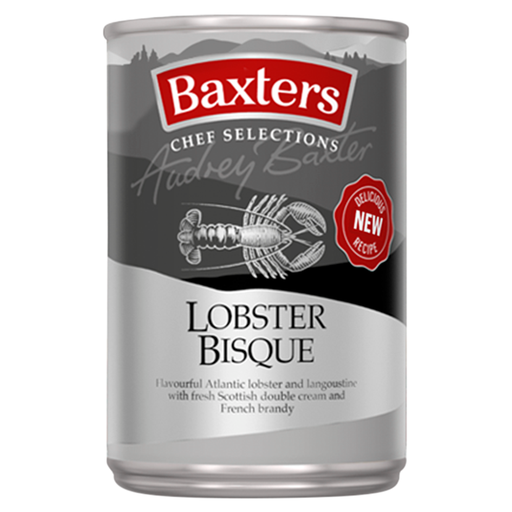 No image available
A bisque-style option for a plated starter when shellfish suits the menu. Check the current label for crustaceans, milk, sulphites, celery and alcohol-containing ingredients, and confirm the quantity needed for your guests.
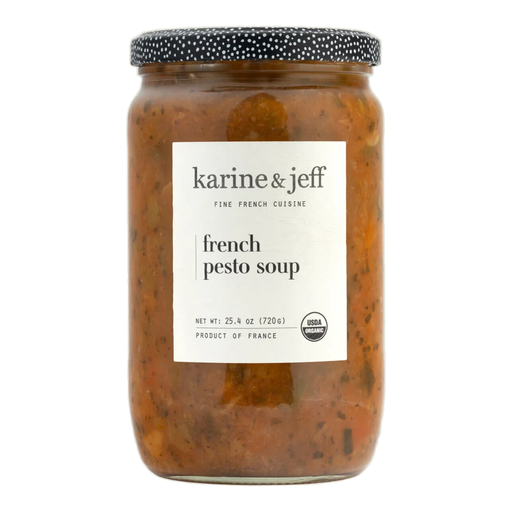 No image available
A French pesto-style soup for a vegetable-based starter. Check the current label for wheat, soya and celery warnings, and decide how many starter portions the 680g tin will provide.
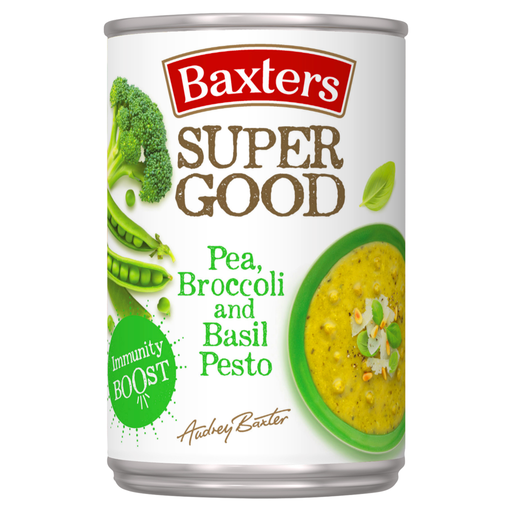 No image available
A pea, broccoli and basil-pesto option when a vegetable starter fits the meal. The product information identifies milk and pine nuts; check the current label for guests with allergies and plan the portions you need.
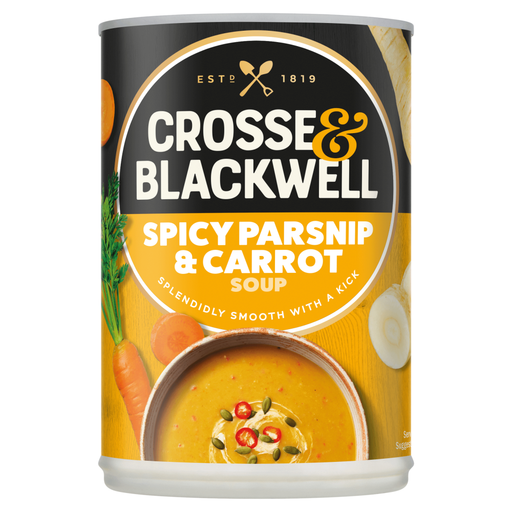 No image available
A parsnip-and-carrot soup for a starter when a spiced flavour fits the menu. Check the current label for celery, milk and wheat, along with its heating directions and the quantity needed.
Yes, if its recipe fits the menu and you plan how to serve it. A clear consommé can make a lighter opening, while a creamy vegetable soup or French onion soup gives a richer bowl; the word “premium” alone does not establish how the finished course will taste or look.
Not necessarily. Vegetarian suitability does not establish vegan or allergen suitability: creamy vegetable recipes can contain milk, and individual soups may have other ingredients or warnings. Check the current label against each guest’s requirements.
Work from your guest count and intended bowl size, then check the exact tin size and any serving guidance. A product’s weight alone does not tell you how many portions you plan to serve.
Follow the storage instructions on that soup’s label. Food Standards Scotland advises checking whether a food needs refrigeration after opening and following any stated time limit.
Avoid buying damaged cans. Reading Borough Council advises against them; also follow any product-specific packaging instructions before opening and serving the soup.