
24/7 Customer Support

Free returns

Same-day & Next-day Delivery

Quality Guaranteed

Unlock Your Welcome Offers: FREE Delivery | Up to 80% OFF | Free 30-day JoyPlus trial
Download the APP
Tinned soup can be a practical cupboard staple for quick lunches, light dinners and warming snacks. However, comparing soup cans is not simply a matter of choosing a familiar flavour. Serving size, salt, allergens and preparation time can all affect whether your purchase suits your household.
Some products are ready-to-eat soup that only needs heating, while others are instant soup sachets designed for a mug. The right choice depends on how filling you want the meal to be, how much preparation you can manage and which ingredients you need to avoid.
A can may contain two servings, even when it looks like a single lunch portion. For example, several 400g soups provide nutritional information per half can. A lower calorie figure may therefore represent only one serving, not the whole can.
If you want a more substantial meal, check the per-can nutrition and look for ingredients such as potatoes, barley, beans, noodles, meat or pulses. Products labelled as larger or “big” soups may contain more solid ingredients, but compare the actual ingredient percentages rather than relying only on front-of-pack wording.
Low-fat soup can be useful for shoppers comparing lighter meals, but fat is only one part of the label. Salt, sugar, fibre and protein may also matter, particularly if soup is eaten regularly.
For instance, a soup can be low in fat while still providing a relatively high proportion of an adult’s reference intake for salt. Always compare salt per serving, not just calories or fat.
A vegetable soup is not automatically vegan, vegetarian or gluten-free. Milk, wheat, barley, celery, eggs, soya and crustaceans can appear in different recipes. Cream-based products may contain milk, while Scotch broth commonly includes barley and meat.
Read the ingredient list and allergen statement each time you buy, as recipes and packaging can change. If you have a food allergy or medically diagnosed intolerance, use the current product label as the final reference.
Choose between:
For a family cupboard, mixed packs or multiple cans can help provide variety. For occasional lunches, single cans or sachets may reduce unused stock.
The ingredient order shows which components make up the largest proportion of the recipe. Look for declared percentages of vegetables, meat, beans or grains if these are important to you.
A smooth tomato or mushroom soup may suit a lighter lunch, while chicken noodle soup, Scotch broth and beef soup offer more texture from noodles, barley, meat or vegetables. If you prefer plant-based meals, check whether the recipe contains dairy, stock made with animal ingredients or non-vegan flavourings.
Use the per-100g and per-serving panels to compare products consistently. Useful figures to review include:
Once opened, transfer unused soup to a suitable covered container, refrigerate it and generally consume within two days, following the packaging instructions. Do not heat soup directly in a can. For microwave preparation, pour it into a microwave-safe bowl and cover it as directed.
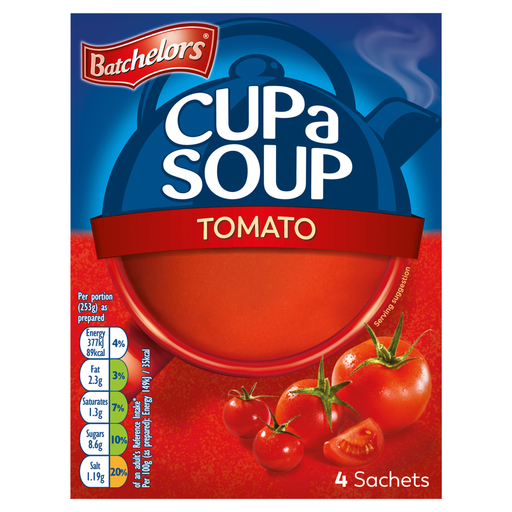
Why This Fits Their Persona: A compact instant soup option for shoppers wanting a quick cup at home, at work or alongside a sandwich.
The per-portion figures make it easier to assess an individual cup rather than assuming the sachet equals a full meal.
Tomato content is listed at 51%; one prepared portion is listed at 89 kcal and it is suitable for vegetarians.
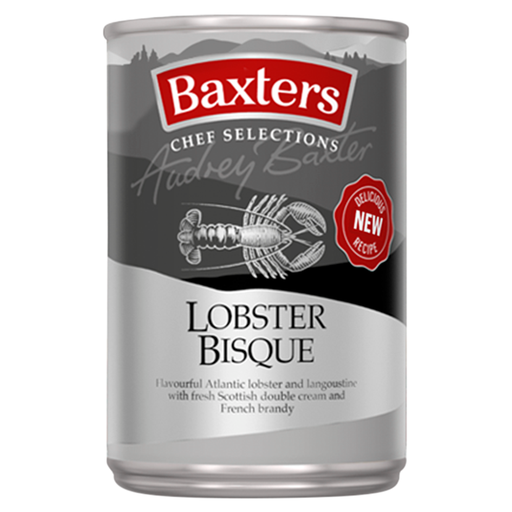
Why This Fits Their Persona: A speciality option for a more elaborate lunch or starter than everyday vegetable soup or chicken soup.
The ingredient declaration identifies lobster, langoustines, cream, wine and brandy, helping shoppers assess the recipe before purchase.
The 400g can lists 5% lobster and 3.5% langoustines; allergens include crustaceans, milk, sulphites and celery.
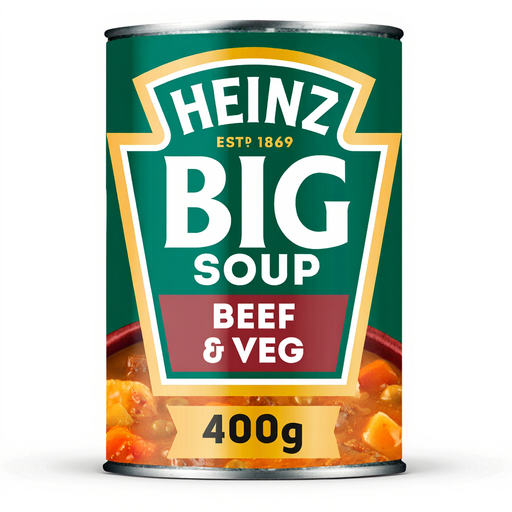
Why This Fits Their Persona: A practical choice for shoppers seeking a heartier beef soup with potatoes and vegetables for a quick lunch or dinner.
The label states 22% vegetables and 10% beef, giving a clearer indication of the solid ingredients behind the larger-style format.
It provides 3.3g protein per 100g and is listed as low in fat; the can is designed to serve two.
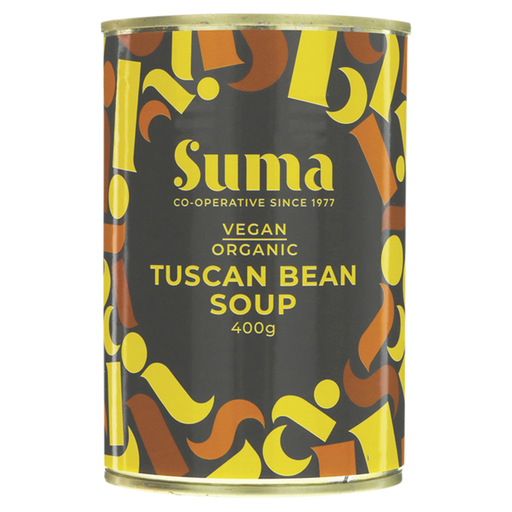
Why This Fits Their Persona: Suitable for shoppers looking for a bean-based vegetarian cupboard option with organic ingredients.
The recipe identifies four types of beans and clearly lists celery as an allergen, reducing guesswork when planning meals.
Beans make up 14% of the listed recipe; per 100g it contains 2.0g fibre and 2.6g protein.
We have compiled a complete, real-time list of products that fully satisfy these strict selection criteria and UK safety regulations.
A 400g can of vegetable soup, tomato soup or mushroom soup can be served with wholemeal bread for a simple lunch. Chicken soup with noodles may suit a lighter evening meal, while beef soup, Scotch broth or a Big Soup variety can be paired with a roll when you want more texture.
Instant soup is useful in an office drawer, but check the salt per prepared portion and remember that it may provide less protein and fibre than a bean- or meat-based tinned soup. For vegetarian and vegan shoppers, verify every ingredient, particularly creamy flavours, stock powders and meat-style pieces.
Most tinned soup is already cooked, but it should be heated thoroughly according to the label before serving. Transfer it to a saucepan or microwave-safe bowl rather than heating the can itself. Once opened, refrigerate unused soup in a suitable container and follow the stated consumption period.
Many products specify that unused soup should be refrigerated and eaten within two days. Keep it covered and chilled below the temperature stated on the packaging. If the appearance, smell or texture has changed, do not consume it.
The cost depends on pack size, promotions, preparation method and portion size. Instant soup sachets may reduce waste when you want a small cup, while 400g cans can offer more food per purchase. Compare the price per 100g or per serving, rather than the shelf price alone.