Hosts serving a starter
A smooth tomato-and-basil soup can sit before pasta, pizza or another main course. Check its ingredients against guests’ needs and plan how many bowls the tin must provide.


Choose a tomato-and-basil soup for a smooth starter, or a pasta-and-bean minestrone when the soup needs to play a larger part in the meal. A condensed tomato soup makes more sense when you want a recipe ingredient; check the exact tin for ingredients, allergens and portion guidance rather than treating an Italian name as a promise of restaurant-quality flavour.
A smooth tomato-and-basil soup can sit before pasta, pizza or another main course. Check its ingredients against guests’ needs and plan how many bowls the tin must provide.
A pasta-and-bean minestrone may suit the meal you have in mind, but the name alone does not establish vegan suitability. Check the exact recipe and its allergen declaration, particularly if a guest must avoid wheat or celery.
If the soup will go into a bake or sauce rather than a bowl, a condensed product intended for recipes is a different choice from a ready-to-serve starter. Check its directions and ingredients before building it into the dish.
Decide whether the soup is a starter, a substantial bowl or an ingredient first. Then compare the recipe, pack and label for that role.
Choose it when: You want a smooth soup course before the main meal; Marks & Spencer describes its Rich Italian Tomato and Basil Soup as a blend of tomatoes, cream and basil.
Bear in mind: A cream-based recipe will not suit a vegan menu, and its Italian styling does not establish how it will taste to your guests.
Choose it when: The soup should have more of a meal role than a smooth starter; Marks & Spencer describes its minestrone with tomatoes, ditalini pasta and borlotti beans.
Bear in mind: Check the exact recipe for dietary needs. Minestrone is not automatically vegan or suitable for someone avoiding wheat.
Choose it when: You need an ingredient for a dish such as a pasta bake; Campbell's Soup UK positions its condensed cream of tomato soup for recipes.
Bear in mind: Follow the tin’s preparation directions. Its stated cooking role is not a reason to treat it as a ready-to-serve Italian starter.
| Priority | What to check | Your needs |
|---|---|---|
| Role in the meal | Check whether the tin is intended as a prepared soup or a condensed cooking ingredient. For a soup course, compare a smooth tomato recipe with a pasta-and-bean recipe. | I’m serving a small starter before the main course, or I want the soup itself to have a larger role in the meal. |
| Ingredients and allergens | Read the current ingredient and allergen information on the exact tin. Check dietary labelling separately from any allergies or intolerances among your guests. | One guest needs a plant-based dish; another may need to avoid milk, wheat or celery. I need a recipe that works for the people at the table. |
| Texture and flavour | Look for the ingredients behind the product name: cream and basil suggest a different soup from one listing pasta and beans. Do not use a range name as a measure of flavour. | Would a smooth tomato soup fit this menu, or would a vegetable-and-bean bowl make more sense? |
| Pack and portions | Compare pack weights and the serving guidance on each product. Plan bowls around the rest of the meal rather than assuming every tin serves the same number. | I need enough for everyone, whether the soup is a small first course or a larger portion. |
An Italian-style name identifies the direction of a recipe, not how closely its flavour will match a restaurant dish.
Choose by the course you are serving and the declared ingredients: a smooth starter, a pasta-and-bean soup or an ingredient for cooking.
A soup suitable for one dietary preference can still contain ingredients a guest must avoid. For example, Campbell's Soup UK lists milk and celery for its condensed cream of tomato soup.
Read the current label for each guest’s specific requirements rather than relying on the soup style or a single dietary badge.
Pack sizes differ: the M&S range lists Rich Italian Tomato and Basil Soup at 580 g and Eat Well Minestrone Soup at 400 g. Pack weight alone does not tell you how many bowls to serve.
Decide on portion size and the rest of the menu, then check the serving guidance on the tin you buy.
A recipe or its packaging information can change, which matters when you are planning for an allergy or a particular diet.
Use listings to make a shortlist, then check ingredients, storage directions and the best-before date on the actual tin.
These examples illustrate different soup roles; a brand name alone does not establish whether an individual tin suits your menu.
The M&S tinned-soup range lists Rich Italian Tomato and Basil Soup 580 g and Eat Well Minestrone Soup 400 g.
Tesco Groceries lists Heinz Cream of Tomato Soup 400 g among its tinned-soup products.
Tesco Groceries lists own-label Minestrone Soup 400 g and Cream of Tomato Soup 400 g.
Campbell's Soup UK presents its condensed cream of tomato soup as an ingredient for recipes.
These options cover bean soup, minestrone and pesto-flavoured soup for an Italian-themed menu. They are distinct recipes, so compare their names, pack sizes and labels against the course you plan to serve.
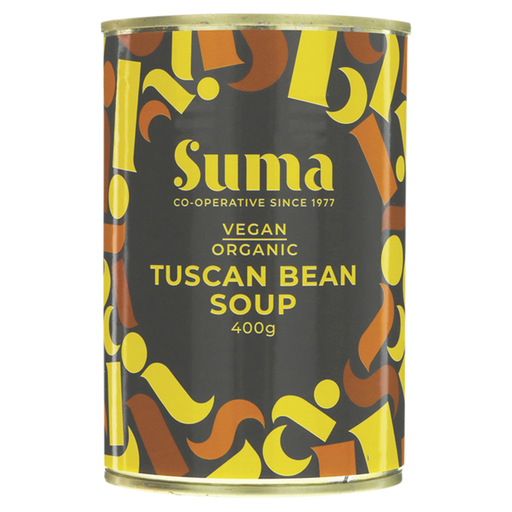 Image unavailable
Consider this Tuscan bean soup if you want a bean-based bowl rather than a smooth tomato starter. The pack is listed as 400g; check its serving guidance and current allergen label when planning for guests.
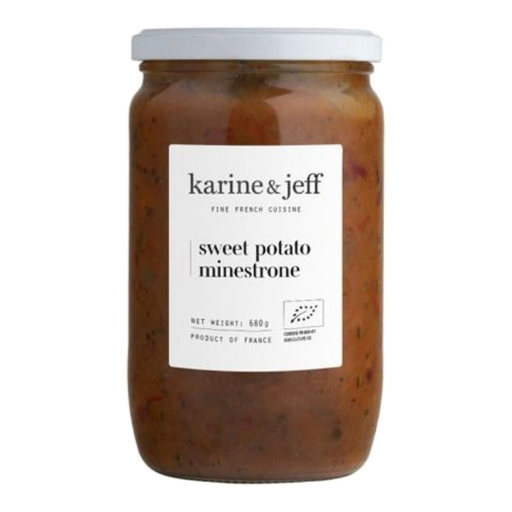 Image unavailable
This sweet potato minestrone is an option when you want a minestrone-named soup rather than a smooth starter. The listed pack is 680g. It is not a vegan choice because its ingredient information includes sheep’s cream; check the current label for milk, mustard and serving guidance.
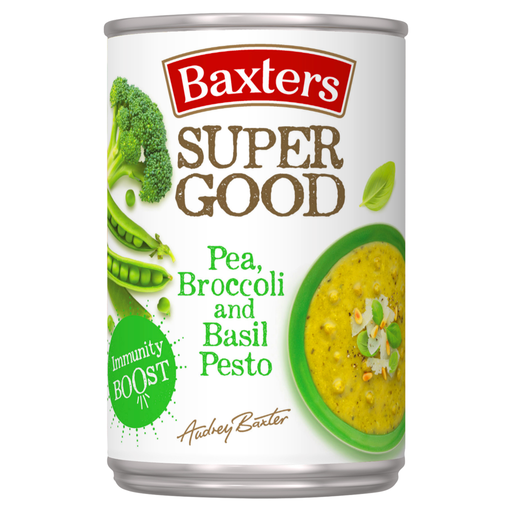 Image unavailable
Choose this for a pea-and-broccoli soup with basil-pesto character, not as a substitute for tomato soup or minestrone. The listed tin is 400g. Check the current ingredients and allergen declaration carefully if milk or pine nuts matter to a guest.
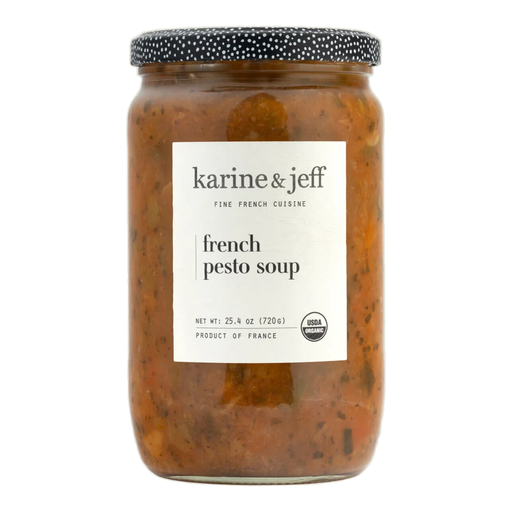 Image unavailable
This French-named pesto soup offers a different direction for a vegetable-and-bean soup course; it is not a tomato-and-basil starter or a minestrone. The listed pack is 680g. Check the current packaging for serving guidance and any wheat, soya or celery warnings.
A tomato-and-basil soup fits if you want a smooth course before the main meal. Marks & Spencer describes its Rich Italian Tomato and Basil Soup with tomatoes, cream and basil; check the tin’s ingredients and portion guidance for your guests rather than assuming its name predicts the finished flavour.
Only choose a minestrone for a vegan guest after checking the exact recipe. Minestrone can contain pasta and beans, but those ingredients do not establish that every variant is vegan; the Karine & Jeff sweet potato minestrone listed here includes sheep’s cream.
Yes, when the recipe calls for that kind of ingredient. Campbell's Soup UK presents its condensed cream of tomato soup for cooking; follow the tin’s directions and check the dish against guests’ needs, including its listed milk and celery allergens.
Read the current label on each exact tin against the ingredients your guests must avoid. A dietary description does not replace that check, and an older online listing may not reflect the packaging you purchase.