Ready-to-heat shoppers
If breakfast needs little preparation, compare tins of the same size and format. Check how much soup you intend to use, rather than treating every can as one portion.


For a quick weekday breakfast, a ready-to-heat tomato tin keeps preparation simple, while a bean-and-vegetable soup offers a different ingredient and nutrition profile. Compare portions, salt, sugars and allergens on the current label; condensed soup needs dilution, so check its prepared yield before comparing it with a ready-to-heat tin.
If breakfast needs little preparation, compare tins of the same size and format. Check how much soup you intend to use, rather than treating every can as one portion.
Tomato soups with similar packaging can declare different amounts per serving. Read the nutrition table, including on products labelled no added sugar or reduced salt.
A bean-and-vegetable soup offers a different texture and declared protein and fibre values from the smooth tomato tins compared here. Ingredients and allergens still need checking on the particular can.
Start with the format and portion you will actually prepare, then compare nutrition, ingredients and storage instructions on that basis.
| Priority | What to check | Your needs |
|---|---|---|
| Portion and format | Check can size, stated servings and whether the soup is ready to heat. For condensed soup, follow the dilution directions and consider the prepared yield. | I want to know how much breakfast the tin makes. A concentrate and a ready-to-heat soup are not the same format. |
| Salt and sugars | Compare the same serving basis on each nutrition table. In the retailer listings for three 400g own-label tomato tins, declared salt ranged from 0.89g to 1.12g per half-can; sugars ranged from 10g to 12g. | If I eat tomato soup regularly, I want the per-serving figures, not just a front-of-pack description. The NHS advises adults to have no more than 6g of salt a day. |
| Ingredients and texture | Compare smooth tomato with recipes containing beans, vegetables or pasta. Read protein and fibre values on the same per-100g basis before drawing a comparison. | Some mornings I would rather have a soup with beans and vegetables; on others, smooth tomato is the texture I want. |
| Preparation | Read the can’s hob or microwave instructions, including container and power guidance. Check whether water or another ingredient must be added. | Before relying on a tin for a rushed morning, I want to know the steps needed to serve it. |
| Allergens and leftovers | Check the current ingredients and allergen statement, even on vegetarian or vegan-labelled soup. Follow that product’s refrigeration and use-by-opening instructions for any leftovers. | I may use only part of a can, so its storage directions matter. A vegetarian or vegan description does not answer my allergen questions. |
Campbell’s Condensed Cream of Tomato Soup instructs you to add a can of water. The prepared amount therefore differs from the 295g concentrate in the can.
Check the dilution directions and decide how much prepared soup you would serve at breakfast.
Retailer nutrition tables for the compared Sainsbury’s, Asda and Tesco 400g cream-of-tomato tins declare different salt and sugars per half-can.
Use the same serving basis when comparing labels, and check the current can in case a recipe has changed.
A tin of smooth tomato soup and a meal that also includes other foods are different breakfasts. NHS Grampian’s breakfast guidance suggests considering a fibre-rich carbohydrate, a protein source, and fruit or vegetables.
If you want those components, check what the soup contains and what you plan to serve alongside it.
The compared tomato soups contain milk. The M&S minestrone listing identifies gluten and celery and warns that the product is unsuitable for people with milk or egg allergy.
Read the current ingredients, allergen statement and suitability warnings for the exact product.
These examples describe particular UK-listed soup lines, not every product made by each brand.
Its tomato range includes a No Added Sugar Cream of Tomato Soup.
Its condensed range includes a 295g Cream of Tomato Soup intended for dilution.
Tesco lists a 400g own-label Cream of Tomato Soup.
Sainsbury’s lists a 400g own-label Cream of Tomato Soup.
Asda lists a 400g own-label Cream of Tomato Soup.
Its Eat Well Minestrone is a vegetable-and-bean alternative to smooth tomato soup.
These Joybuy options are pea, bean and vegetable soups to consider for a weekday breakfast. Compare the portion you would use, the current label and the preparation directions for each can.
 No image available
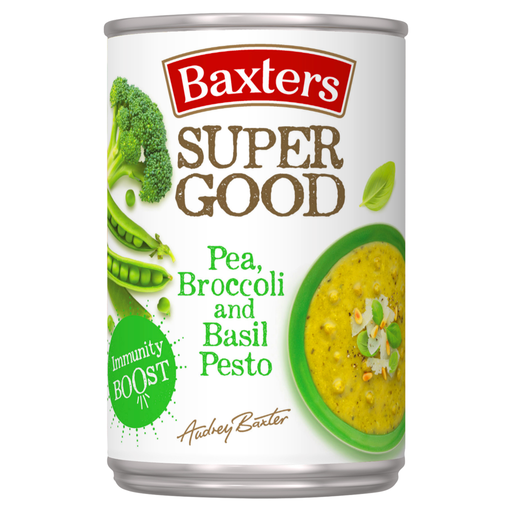
A 400g pea-and-broccoli soup for mornings when you prefer that ingredient mix to smooth tomato. It contains milk; follow the can’s heating directions and refrigerate leftovers for use within two days.
 No image available
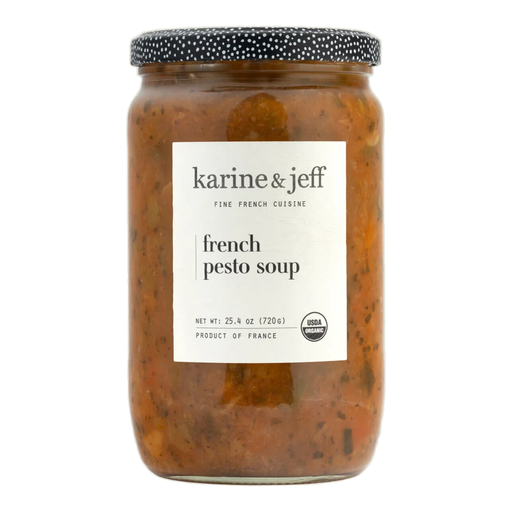
This 680g soup is an option if you want beans and vegetables at breakfast. Check how much you intend to serve and follow the pack’s preparation directions; the listing warns of possible wheat, soy and celery.
 No image available
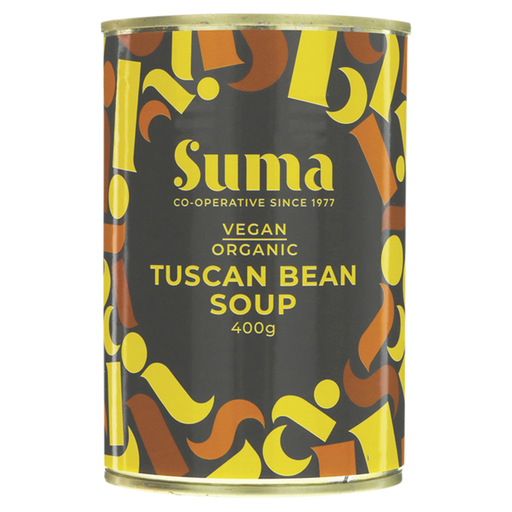
A 400g bean soup for a breakfast built around beans rather than smooth tomato. It contains celery; check the can for heating directions, and refrigerate opened contents for use within two days.
 No image available
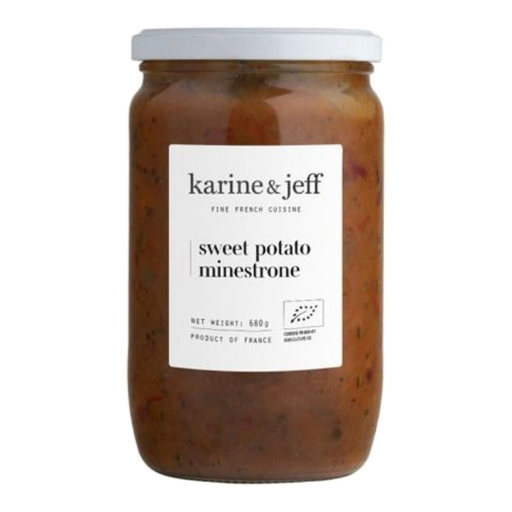
This 680g minestrone offers a sweet-potato-and-bean recipe. Check the pack’s heating directions before planning a quick breakfast: the lid must not be microwaved. It contains milk and mustard.
 No image available
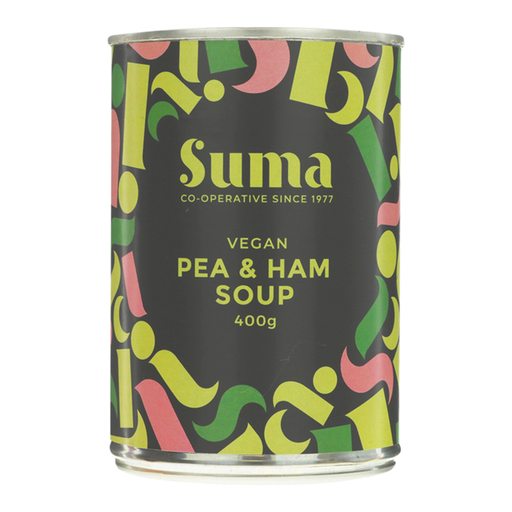
This 400g pea soup has a ham-style product name. Its vegan description conflicts with allergen information listing milk, soy and wheat: check the current packaging rather than relying on the name for dietary suitability. Check heating directions on the can.
That depends on the portion and what else you want in the meal. NHS Grampian’s breakfast guidance suggests considering a fibre-rich carbohydrate, a protein source, and fruit or vegetables; check what your soup supplies before deciding what to serve with it.
Among the three 400g own-label cream-of-tomato tins in the retailer listings, Sainsbury’s declares 0.89g salt per half-can, Asda 0.94g and Tesco 1.12g. Check the current can label, as recipes can change.
No. No added sugar describes a different characteristic from salt content. For Heinz No Added Sugar Cream of Tomato Soup, check the nutrition table for the salt in the portion you intend to eat rather than relying on the front-of-pack wording.
No. The compared Asda, Sainsbury’s and Tesco tomato tins are ready to heat, while Tesco’s instructions for Campbell’s Condensed Cream of Tomato Soup say to gradually add one can of cold water. Check the directions for your particular soup.
No. Read the current ingredients, allergen statement and suitability warnings. The compared tomato soups contain milk, while the M&S minestrone listing identifies gluten and celery and warns that it is unsuitable for people with milk or egg allergy.