Shoppers planning a quick lunch
If a can is your convenient lunch option, compare its nutrition figures with the quantity you expect to serve. The NHS notes that a manufacturer’s portion may differ from yours.


Compare tinned soups per 100g and for the amount you will actually eat, rather than choosing by a ‘low fat’ claim alone. A light tomato soup and a lentil, bean or chicken-and-vegetable soup can serve different meals: compare their stated energy, protein, fibre and salt, then check the exact can for allergens.
If a can is your convenient lunch option, compare its nutrition figures with the quantity you expect to serve. The NHS notes that a manufacturer’s portion may differ from yours.
Lentil, bean and vegetable soups offer different stated amounts of protein and fibre. Check the exact product’s dietary-suitability statement and allergens as well as its nutrition panel.
Read the current can’s ingredients and allergen statement against your requirements. Ordinary retail soup is distinct from the nutritionally complete products used in NHS England’s Type 2 Diabetes Path to Remission Programme.
Start with a like-for-like per 100g comparison, then work out what the figures mean for your intended portion and meal.
| Priority | What to check | Your needs |
|---|---|---|
| Energy and portion | Compare kcal per 100g, then check the stated serving size and how much of the can you plan to eat. The NHS cautions that the labelled portion may not match yours. | For a light lunch or snack, I want to know the figures for my bowl, not assume that a half-can serving is my meal. |
| Protein and fibre | Read both values per 100g alongside energy. Tesco Groceries lists 0.6g protein and 0.8g fibre for its Low Fat Tomato Soup, versus 2.0g and 1.3g for its Low Fat Lentil & Vegetable Soup. | If soup is the main part of lunch, I want to compare what a lentil or bean option contributes rather than choose solely by its calorie figure. |
| Salt | Compare salt per 100g and for your intended portion. Tesco Groceries lists 0.35g per 100g for its Low Fat Tomato Soup and 0.47g for its Low Fat Lentil & Vegetable Soup. | I want the salt figure for the amount I will eat, even when a can is described as low fat. |
| Traffic-light labels | Where shown, use the colours to compare the labelled nutrients, then read the numerical values. GOV.UK explains that green denotes low, amber medium and red high for the nutrient shown. | I use the colours as a starting point, not a substitute for the portion figures. In a Food Standards Agency and Ipsos Northern Ireland survey of 611 people interviewed from September to November 2024, 49% said they actively used traffic-light labelling when shopping for food. |
| Allergens and suitability | Check the exact flavour’s ingredients, allergen statement and any relevant ‘may contain’ wording. A vegan or vegetarian description does not replace an allergen check. | For an allergy or dietary restriction, I need the current can to meet my requirements, not just a familiar brand or a vegetable-based name. |
Tesco Groceries lists 31 kcal per 100g for its Low Fat Tomato Soup and 44 kcal for its Low Fat Lentil & Vegetable Soup. The lentil soup also lists more protein and fibre per 100g; the energy figure does not describe the whole meal.
Decide whether you want a light soup or a soup with more stated protein and fibre, and compare salt alongside those figures.
Salt can differ between soups regardless of a low-fat description. Leeds Teaching Hospitals NHS Trust notes that tinned or packet varieties can be high in salt.
Compare salt per 100g and for the quantity you intend to eat. Use traffic-light labelling where available, then check the numbers on the pack.
A half-can serving and a whole can are different quantities. The NHS warns that the manufacturer’s idea of a portion may differ from yours.
Check how many servings the label assigns to the can before using its per-serving figures for your meal.
Marks & Spencer labels its minestrone vegan and vegetarian but also states that it is not suitable for people with a milk or egg allergy.
Read the current pack’s full ingredients, allergen declaration and relevant precautionary wording for the exact soup.
These product examples illustrate different label checks; a brand name alone does not establish how another soup in its range compares.
Tesco Groceries lists Low Fat Tomato and Low Fat Lentil & Vegetable soups as two distinct 400g options.
Tesco Groceries describes Heinz Lentil Soup 400G as low fat and suitable for vegetarians.
Marks & Spencer lists vegetable, minestrone and chicken-and-vegetable soups with different ingredients and nutrition panels.
These 400g bean, pea and vegetable soups are cupboard options to compare against your intended portion and dietary requirements.
 No image available
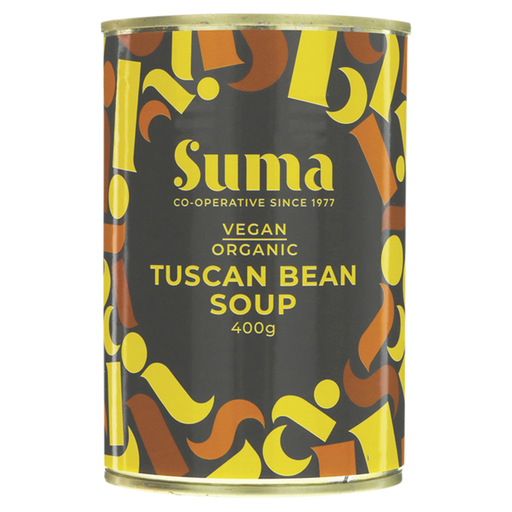
This bean soup is an option if you want a 400g can for a cupboard meal. Compare the pack’s nutrition figures for the amount you will serve, and check its current allergen statement for celery.
 No image available
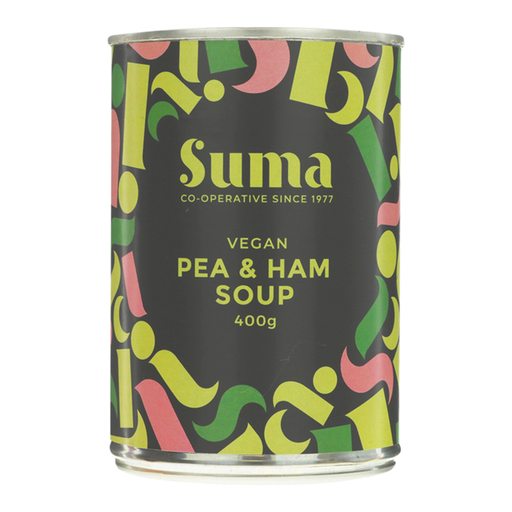
This 400g pea soup offers a different ingredient style to a smooth tomato soup. Its product information describes it as vegan-friendly but also lists milk, soya and wheat as allergens; check the current pack before relying on vegan suitability or buying it for an allergy.
 No image available
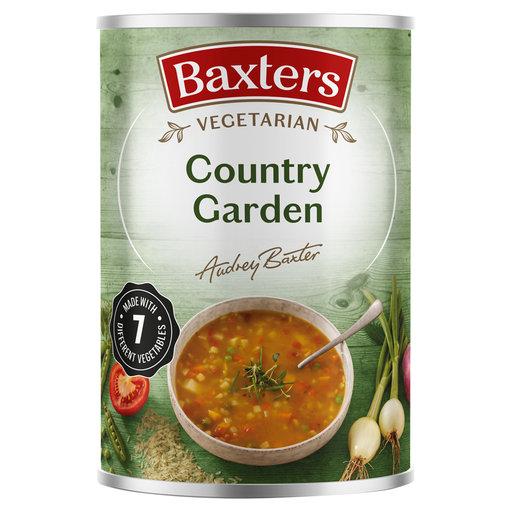
Consider this 400g vegetable soup if you are comparing vegetarian cupboard options. Read the current pack for nutrition values and your intended serving size; the product information identifies milk as an allergen.
Use both: per 100g gives you a common basis across cans, while a serving figure helps with the amount you plan to eat. The NHS notes that a manufacturer’s portion may differ from yours, so check whether your bowl contains half or all of the can.
No. Compare energy, salt, protein, fibre and your portion. Tesco Groceries lists 31 kcal, 0.6g protein and 0.8g fibre per 100g for its Low Fat Tomato Soup, compared with 44 kcal, 2.0g protein and 1.3g fibre for its Low Fat Lentil & Vegetable Soup.
Use the colours for a quick comparison, then check the numbers and serving basis. GOV.UK explains that green means low, amber medium and red high for the nutrient shown.
No. NHS England describes its Type 2 Diabetes Path to Remission Programme as using nutritionally complete total diet replacement products, including soups, shakes and bars, with clinical and coaching support. Do not treat an ordinary retail can as an equivalent programme product.
Read the current can’s ingredients, allergen declaration and relevant precautionary wording for that exact flavour. For example, Marks & Spencer states that its minestrone is not suitable for people with a milk or egg allergy despite its vegan label.