Workers with a short break and a microwave
A ready-to-heat soup keeps preparation steps down. Check the can’s heating directions and whether its stated portion matches the amount you plan to eat.


For a short office break, a ready-to-heat tin is the simpler choice if you have somewhere suitable to heat it; check whether its nutrition figures describe half a can rather than the amount you intend to eat. Choose condensed soup only if you can add the required liquid and follow its heating, stirring and standing instructions. In either format, compare salt per 100g and check the exact recipe for allergens.
A ready-to-heat soup keeps preparation steps down. Check the can’s heating directions and whether its stated portion matches the amount you plan to eat.
A 400g can may show nutrition per half can. If you will save some for another meal, check the product’s instructions for transferring and refrigerating leftovers.
Compare the exact recipes rather than relying on flavour names. The M&S tomato soup lists milk ingredients, while Campbell’s condensed mushroom soup lists both wheat and milk; salt figures also need to be compared on the same basis.
Start with the preparation you can manage at work, then check the portion and label against the amount you will eat.
| Priority | What to check | Your needs |
|---|---|---|
| Preparation | Check the heating instructions and the equipment required. Campbell’s Condensed Cream of Mushroom Soup, for example, must be mixed with water or milk before heating. | With little time or workspace at lunch, I want a soup I can prepare using the facilities available. |
| Portion | Compare pack size with the stated serving and the quantity you expect to eat. The Heinz and Tesco 400g tomato soups show nutrition for half a can. | If I eat the whole tin, I need to read the figures for more than one labelled portion. |
| Salt and nutrition | Compare salt per 100g across similar soups, then check the figure for the amount eaten. The NHS describes 0.3g salt or less per 100g as low and more than 1.5g per 100g as high. | I want the nutrition figures to reflect my lunch, not just a suggested serving that is smaller than I will eat. |
| Ingredients | Read the current ingredients, emphasised allergens and any vegetarian declaration for the exact recipe. M&S Cream of Tomato Soup lists milk ingredients; Campbell’s condensed mushroom soup lists wheat and milk. | For a milk or wheat restriction, the familiar flavour or brand name is not enough for me to choose a can. |
The Heinz and Tesco 400g tomato soup listings present nutrition per half can. Eating the full can means consuming two of those labelled portions.
Check the stated serving before comparing salt or other nutrition figures with the amount you plan to eat.
Campbell’s Condensed Cream of Mushroom Soup needs added water or milk and heating; it is not served straight from the can.
Check that you have a suitable bowl or pan and time to follow every preparation step. For microwave reheating, the Food Standards Agency advises following the pack’s stirring and standing instructions.
In its February 2026 analysis of 481 chilled and ambient ready-to-eat soups, Action on Salt & Sugar reported that 23% exceeded the Government’s voluntary maximum salt target. That is a finding about the products analysed, not about every tin.
Use the nutrition table to compare salt per 100g and for the quantity you will eat.
M&S Cream of Tomato Soup lists milk ingredients, and Campbell’s Condensed Cream of Mushroom Soup lists both wheat and milk.
Check the ingredients and emphasised allergens on the exact can before buying it.
Heinz Cream of Tomato Soup is a 400g tomato option described in its Tesco Groceries listing as quick to prepare and suitable for vegetarians.
Tesco Cream of Tomato Soup is a 400g vegetarian own-label recipe.
Campbell’s Condensed Cream of Mushroom Soup is a 295g condensed recipe, rather than a ready-to-serve can.
M&S Cream of Tomato Soup is a 400g vegetarian recipe with nutrition stated per 100g.
These options include three 400g Heinz soups and a smaller 185g Itoen corn potage. For an office lunch, check each product’s serving basis and preparation directions before choosing.
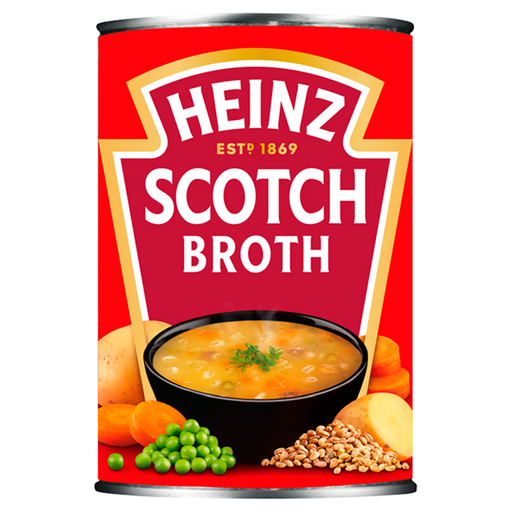 Image unavailable
For a packed lunch, check the heating directions and whether you intend to eat a half can or the full 400g. Check the current ingredients if you avoid meat or gluten-containing grains.
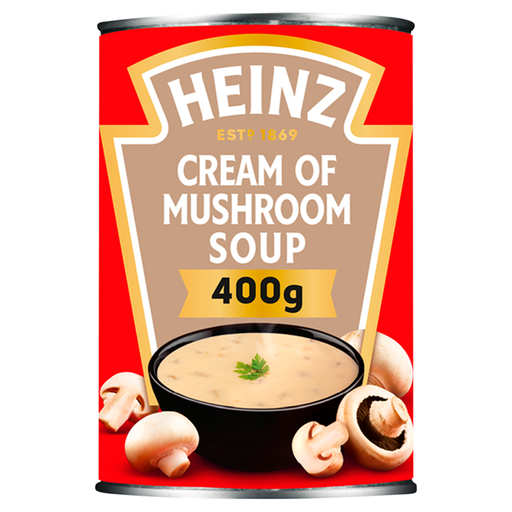 Image unavailable
If this is lunch for one, compare the can’s stated serving with the quantity you will eat. Check its heating instructions and current allergen label before taking it to work.
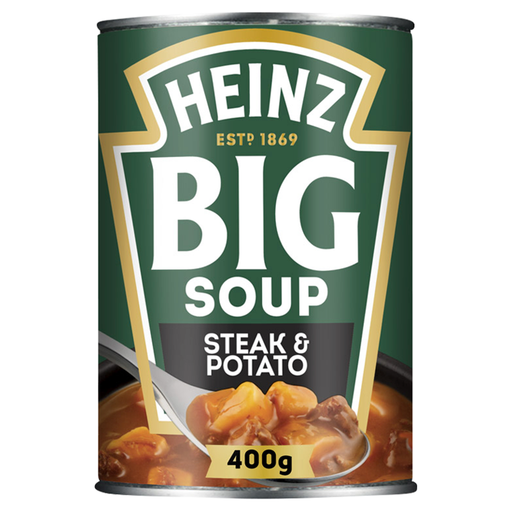 Image unavailable
Check the can’s serving information against the amount you plan to eat at lunch. Follow its current heating directions rather than assuming a preparation time.
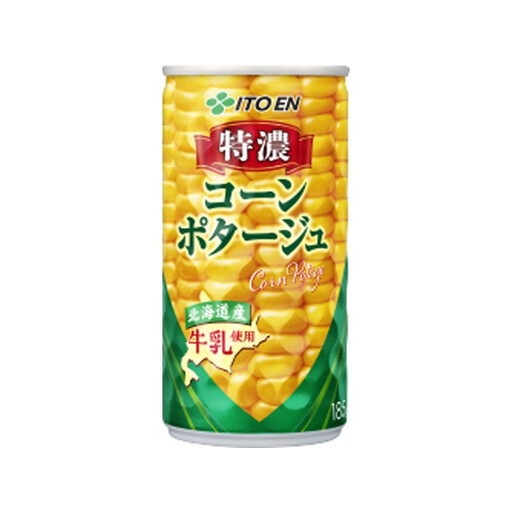 Image unavailable
The 185g pack is smaller than the 400g options here. Check its current label for the serving basis, ingredients, nutrition figures and any preparation needed at work.
No. The Heinz and Tesco 400g tomato soup listings show nutrition per half can, so eating the full can means eating two of those labelled portions. Check the serving basis on the exact tin and use the amount you will eat when reading its nutrition figures.
Ready-to-heat soup involves fewer preparation steps when you have suitable heating facilities. Campbell’s Condensed Cream of Mushroom Soup must first be mixed with water or milk and then heated, so choose it only if you can follow its full directions at work.
Compare salt per 100g, then check the figure for the amount you will eat. The NHS describes 0.3g salt or less per 100g as low and more than 1.5g per 100g as high; a half-can serving figure will not describe a whole-can lunch.
Follow the storage directions for the exact soup. The Heinz Cream of Tomato Soup and M&S Cream of Tomato Soup product information advises transferring unused soup to a suitable container, refrigerating it and eating it within two days.
Not necessarily. M&S Cream of Tomato Soup lists milk ingredients, and Campbell’s Condensed Cream of Mushroom Soup lists both wheat and milk. Check the current ingredients and emphasised allergens on each product rather than relying on its flavour name.