Older couples having a quick lunch
A 400g tin can be split into two 200g portions. Use the nutrition figures for half a tin, rather than assuming that each portion is a full meal.


A 400g tin divides into two 200g portions, but that does not necessarily make a full meal for two older adults. Compare protein and salt for the amount each person will eat, then check allergens and texture; a smooth-looking soup is not automatically suitable for someone with a prescribed swallowing plan. Where poor appetite, unintentional weight loss or a prescribed diet affects the choice, seek individual advice rather than relying on standard soup alone.
The same tin can serve different purposes depending on appetite, the rest of the meal and any dietary or swallowing requirements.
A 400g tin can be split into two 200g portions. Use the nutrition figures for half a tin, rather than assuming that each portion is a full meal.
Protein and the rest of the meal matter when appetite is poor. East Suffolk and North Essex NHS Foundation Trust notes that poor appetite can make it difficult to eat enough; individual nutrition needs may require advice beyond a soup label.
Check the current pack for allergens and storage instructions. If someone has a prescribed texture or fluid thickness, follow their specialist plan rather than judging suitability by whether a soup looks smooth.
Start with the portion each person will actually eat, then compare the label and any requirements that could rule a soup out.
| Priority | What to check | Your needs |
|---|---|---|
| Portion size | Check the tin size and whether nutrition is stated per 100g or per half-tin. For a 400g tin shared equally, compare figures for 200g each. | We are splitting one tin, so I want to know what each person gets—not just what is in the whole tin. |
| Protein and the meal | Compare protein per intended portion and consider what else will be served. Marks & Spencer lists 3.5g protein per 100g for its Chunky Chicken and Vegetable Soup, against 1.2g per 100g for its Cream of Tomato Soup. | If soup is lunch rather than a starter, I need to consider whether an appropriate accompaniment is needed, particularly when appetite is small. |
| Salt per portion | Read salt per 100g and calculate the amount in the portion served; do not rely on a reduced-salt description alone. Tesco lists 0.4g salt per 100g for Heinz Balance Vegetable Soup, or 0.8g in 200g. | For someone following individual salt advice, I want the figure for the amount they will eat. A smaller serving and a full tin are not interchangeable. |
| Texture and allergens | Check the current ingredients and allergen list. For swallowing difficulties, confirm the required food texture and fluid thickness with the person’s specialist plan; retail descriptions such as ‘smooth’ are not a texture assessment. | I need a soup that fits the eater’s actual allergen and swallowing requirements, not one that merely sounds easy to eat. |
| Leftovers | Follow the pack’s instructions after opening. The checked Tesco listing for Heinz Balance Cream of Chicken and the Marks & Spencer Chunky Chicken and Vegetable listing both specify refrigerated leftovers eaten within two days. | If some soup will be left over, I need a suitable covered container and a plan to use it within the time stated on that pack. |
Two equal portions from a 400g tin are 200g each, but their protein content can differ. Marks & Spencer’s stated figures work out to about 7g protein per 200g of its Chunky Chicken and Vegetable Soup and 2.4g per 200g of its Cream of Tomato Soup.
Compare the nutrition for the portion served and consider the rest of the meal. If eating enough is a concern, seek individual nutrition advice.
A reduction is relative to another recipe, while the grams of salt in the portion still matter. Tesco lists 0.8g salt per half-tin of Heinz Balance Vegetable Soup.
Check the numerical salt figure for the amount each person will eat and follow any individual dietary instructions.
Appearance does not establish a prescribed consistency. University Hospitals Birmingham NHS Foundation Trust warns that an unsuitable texture can create choking or aspiration risks for people with dysphagia.
Use the food texture and fluid thickness specified in the person’s plan, and confirm a soup or its preparation with the relevant specialist before serving it.
Ingredients and allergens vary between soups. Storage instructions also matter when a tin is opened but not finished.
Check the current physical pack for allergens. Transfer unused soup to a suitable covered container, refrigerate it and use it within that product’s stated time.
These examples show why the exact recipe and pack label matter more than a brand name on its own.
Heinz has several 400g soup recipes, including vegetable and cream-of-chicken options listed by Tesco.
Marks & Spencer lists both chunky chicken-and-vegetable and cream-of-tomato soups in 400g formats.
Tesco’s tinned-and-packet-soup category includes own-label soups alongside Heinz and Campbell’s products.
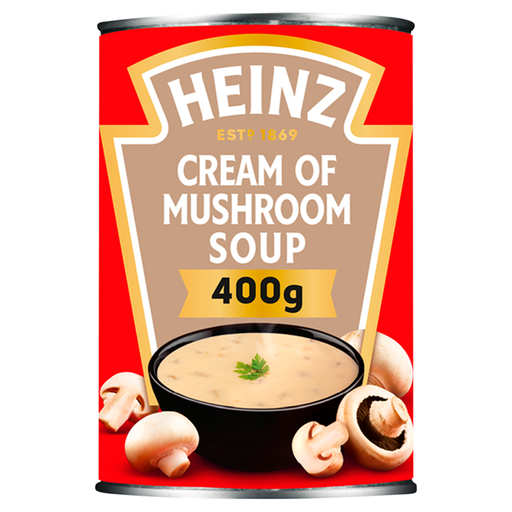
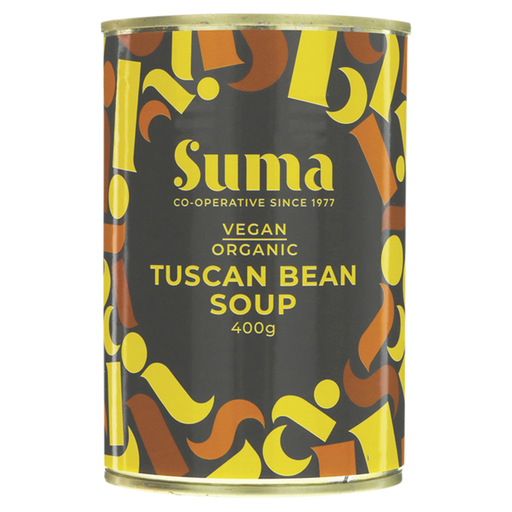
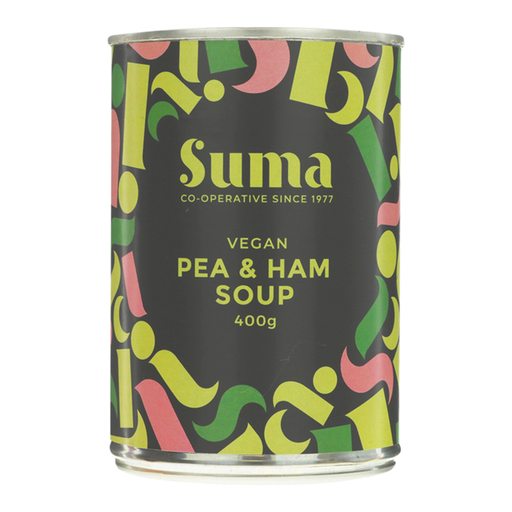
These 400g Joybuy soups can be considered for two 200g portions. Compare the current pack’s nutrition and allergen information before deciding whether either portion suits the meal.
 No image available
The 400g pack allows for two 200g portions. If it will form the main meal, check protein per portion and consider what else is being served; check the current pack for milk and wheat allergens. Do not rely on a smooth appearance to meet a prescribed swallowing texture.
 No image available
For two equal portions, compare the pack’s protein and salt figures on a 200g basis rather than per 100g. Check the current pack for celery and other relevant allergens, and confirm the required texture separately if a swallowing plan applies.
 No image available
Check salt for the intended 200g portion carefully if either diner has a restriction. The product information describes this soup as vegan-friendly but also declares milk as an allergen: confirm the physical pack before choosing it for a vegan diet. Check wheat and soya allergens, and do not assume it meets a prescribed swallowing texture.
It makes two approximately 200g portions, but whether those portions make a meal depends on appetite and what else is served. For example, Marks & Spencer’s stated protein figures work out to about 7g per 200g of its Chunky Chicken and Vegetable Soup and 2.4g per 200g of its Cream of Tomato Soup.
No single salt choice suits everyone. Tesco lists 0.4g salt and 1.2g protein per 100g for Heinz Balance Vegetable Soup; compare both figures for the portion being served and follow any individual dietary advice.
Do not assume a smooth retail soup matches their prescribed texture or fluid thickness. Royal Berkshire NHS Foundation Trust describes specialist assessment as part of dysphagia management; confirm the product and its preparation against the person’s plan before serving it.
Check the ingredients list on the current physical pack. The Food Standards Agency says allergens present in prepacked food must be emphasised each time they appear in that list; check the exact soup rather than relying on another recipe from the same brand.
Follow the instructions on the particular pack. The checked Tesco listing for Heinz Balance Cream of Chicken calls for unused soup to be moved to a covered non-metallic container and refrigerated, while Marks & Spencer specifies an airtight container for its Chunky Chicken and Vegetable Soup; both listings say to eat the leftovers within two days.