Families packing hot lunches regularly
If several lunches could use the same flavour, consider whether four 400g cans fit your household’s portions and whether your child can eat the soup hot at school.


A multipack makes sense when the household will use the same ready-to-heat soup across several lunches and the school’s hot-food arrangements work for your child. Individual cans allow different flavours and ingredient checks for each choice; condensed soup is a different preparation format, so follow its own directions rather than treating it as a ready-to-heat 400g can. Before buying several tins, check portions, allergens, heating instructions and how the soup will be served at school.
If several lunches could use the same flavour, consider whether four 400g cans fit your household’s portions and whether your child can eat the soup hot at school.
Individual cans let you choose flavours separately and check the ingredients and allergens on each recipe before packing it.
Compare the amount in a multipack with the number of cans you expect to use. A larger pack is less useful if repeated servings of one flavour will go uneaten.
Choose when: Several lunches will use the same soup; Sainsbury’s and Joybuy list Heinz Cream of Tomato as four 400g cans.
Bear in mind: The Heinz can is labelled as two servings, not as one child’s lunch, and contains milk.
Choose when: Children need different flavours or ingredients, or four cans of one recipe would be too many.
Bear in mind: Check each recipe separately; Sainsbury’s vegetable and minestrone soups have different ingredient lists despite sharing a 400g can size.
Choose when: You intend to prepare condensed soup according to its can directions or use it in a recipe; Tesco lists Campbell’s condensed cans in a 295g format.
Bear in mind: Check the preparation and final quantity before comparing it with a ready-to-heat 400g can.
| Priority | What to check | Your needs |
|---|---|---|
| Portions and pack size | Check the can’s net weight and labelled servings, then plan the portion your child will actually take. Sainsbury’s lists two servings per 400g can for the cited Heinz multipack and vegetable soup. | Will we use four cans of the same flavour, or would separate cans fit our lunches better? |
| Serving soup hot | Read the can’s heating directions and confirm the school’s packed-lunch arrangements before relying on a food flask or facilities at school. | Can I prepare the soup and arrange for my child to eat it hot at lunchtime? |
| Ingredients and allergens | Read the current label for the exact recipe. The cited Heinz tomato soup contains milk; Sainsbury’s vegetable soup lists pasta and celery, while its minestrone lists wheat-based noodles, egg white and celery. | Where ingredients matter to my child, a familiar flavour name is not enough to choose the tin. |
| The rest of lunch | Compare nutrition using the portion you intend to serve, including its salt figure. NHS lunchbox guidance discusses starchy foods alongside vegetables and fruit when planning a lunchbox. | What will I pack with the soup, rather than assuming a serving of soup accounts for the whole lunch? |
| Leftovers | Check the opened-can storage directions before dividing a tin between lunches. The cited Sainsbury’s vegetable soup and Joybuy Heinz tomato soup direct users to refrigerate unused soup and use it within two days. | If my child takes less than a can, can we use the remainder within the tin’s storage instructions? |
The cited Heinz and Sainsbury’s 400g cans are labelled as two servings, but that declaration does not determine an individual child’s portion.
Work out the portion your child will take and what else you will pack before deciding how many tins to buy.
A portion that does not fit the lunch plan may leave soup unused or require another item at lunchtime.
The cited ready-to-heat soups have heating directions. The Department for Education’s school-food standards concern food provided by state-funded schools; they do not tell you what arrangements your child’s school makes for a parent-packed hot lunch.
Ask the school about its packed-lunch policy and plan how the heated soup will be carried and served before making it a regular lunch.
The cited tomato and vegetable-style recipes include ingredients such as milk, wheat, egg or celery, depending on the product.
Check the ingredient and allergen statement on the current tin, particularly when changing flavour or buying a multipack.
Sainsbury’s and Joybuy list Heinz Cream of Tomato in a four-can, 400g-per-can pack for households that use the same recipe repeatedly.
Tesco’s tinned and packet soup range provides a place to compare formats rather than only one brand.
Sainsbury’s lists 400g vegetable and minestrone soups as individual cans, each labelled as two servings.
Campbell’s describes its UK condensed soups as cupboard products for meals and recipes; Tesco lists condensed cans in a 295g format.
M&S lists several tinned-soup options, including a 400g Cream of Tomato Soup.
These 400g individual cans offer different recipes to consider if you are comparing single tins with a repeated-flavour family pack. Check each current label and your school’s hot-food arrangements before choosing one for a packed lunch.
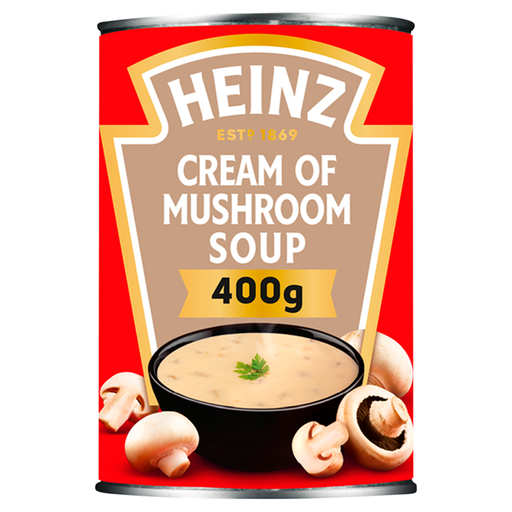 No image available
A single 400g can to consider if four tins of one flavour would be too many. It contains milk and wheat; check the current label and plan how your child would eat the soup hot at school.
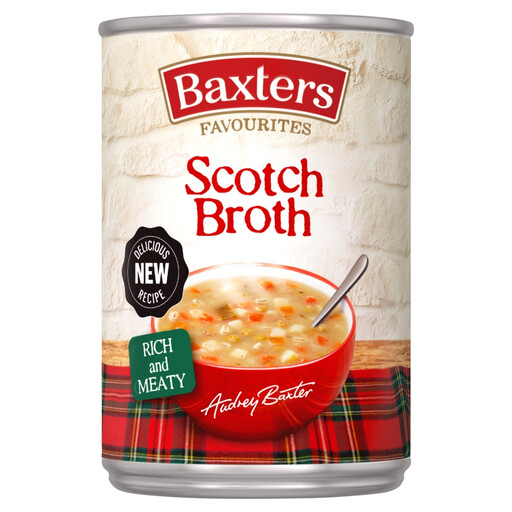 No image available
This individual 400g can offers a different recipe from a repeated-flavour multipack. It contains barley; check the current label, decide the portion your child will take and follow the can’s directions for any leftovers.
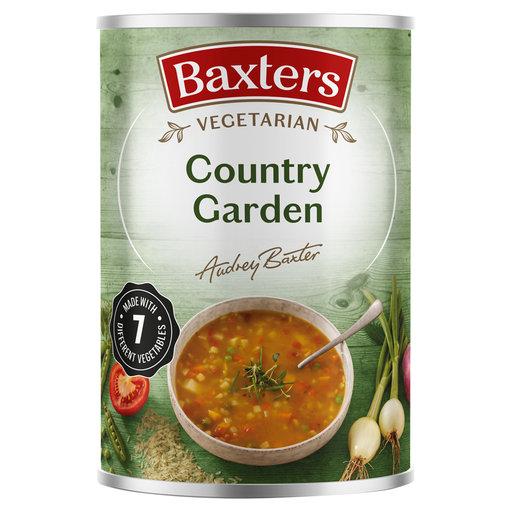 No image available
A 400g individual-can option when you want to choose recipes separately. It contains milk; check the current label for dietary needs and the packaging for portion and heating directions before planning a school lunch.
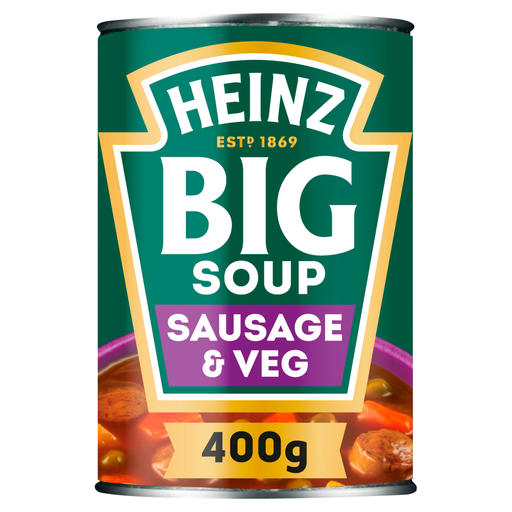 No image available
This 400g can lets you compare a different recipe with buying several tins of the same soup. It contains wheat; check the current label and the can’s portion and heating directions for your packed-lunch plan.
 No image available
An individual 400g can for households choosing flavours one tin at a time. It contains wheat; read the current label and check the portion, heating and school hot-food arrangements before packing it.
Not necessarily. Sainsbury’s and Joybuy describe the cited Heinz 400g can as containing two servings, but a label serving is not a fixed portion for every child. Decide how much your child will take, what accompanies it and whether your household will use the rest of the pack.
Check the tin’s heating directions and arrange how your child will eat the soup hot at lunchtime rather than packing a ready-to-heat soup without a plan. Ask the school about its packed-lunch policy and facilities: the Department for Education’s school-food standards address food provided by state-funded schools, not the arrangements for every parent-packed lunch.
No; read the current ingredient and allergen statement for the exact tin. The cited Heinz Cream of Tomato contains milk, Sainsbury’s Vegetable Soup includes pasta and celery, and its minestrone lists wheat-based noodles, egg white and celery.
Follow the storage directions on the tin you buy. The cited Sainsbury’s vegetable and minestrone soups, M&S Cream of Tomato and Joybuy Heinz Cream of Tomato direct users to refrigerate opened soup and use it within two days.