Quick-lunch shoppers
If soup needs to fit a short lunch break, look for a ready-to-heat recipe and check its preparation directions and stated servings. A side dish is a separate choice, not something the tin’s serving count accounts for.


For a quick lunch or light supper, start with a ready-to-heat soup and check whether the tin contains one serving or more. Choose the recipe and format for how you will use it—a vegetable or bean soup for different ingredients and texture, a clearly labelled vegan soup when avoiding animal ingredients, or condensed soup for cooking—then check salt, allergens and storage instructions on the pack.
If soup needs to fit a short lunch break, look for a ready-to-heat recipe and check its preparation directions and stated servings. A side dish is a separate choice, not something the tin’s serving count accounts for.
Vegetarian and vegan labels answer different questions. Check the current ingredient list and highlighted allergens for each recipe: the examples here include soups listing milk, soya or celery.
Before buying several tins, compare pack sizes, portions and the instructions for storing any soup left after opening. A multipack makes more sense when its contents fit your likely use and storage space.
Choose the format for the meal first, then compare labels on the portion you expect to eat.
| Priority | What to check | Your needs |
|---|---|---|
| Meal format | Check whether the soup is ready to heat or condensed, its preparation directions and its stated servings. Look at the ingredients if you want vegetables, beans or a particular texture. | For a quick lunch, I want a soup I can prepare as directed. If I am cooking with it, a condensed soup may fit that job instead. |
| Portions and salt | Compare salt on the same basis—per 100g or per stated serving—and account for the amount you will eat. Some 400g tomato-soup labels give figures per half-can. | A whole tin may be my portion, so I need to check whether the nutrition figures describe only half of it. |
| Ingredients and allergens | Read the current dietary statement, ingredient list and highlighted allergens. Do not assume a vegan label means a product is free from allergens. | If I am avoiding milk, soya or celery, the specific recipe matters more than a familiar flavour name. |
| Storage and pack size | Check the unopened storage directions, best-before date and product-specific instructions for leftovers after opening. Compare the number and size of tins in a multipack. | When I may use only part of a tin, I want a pack size and opened-storage period that fit my plans. |
A 400g soup may give nutrition information per half-can. Eating the whole tin means consuming two of those stated portions.
Check the serving size before comparing salt figures, then work out the amount for the portion you intend to eat.
The recipes differ: classic cream-of-tomato examples list milk, a Heinz vegan creamy-tomato example lists soya, and Campbell’s condensed tomato example lists milk and celery.
Read the current pack’s ingredients and highlighted allergens, even if you have bought that flavour before.
The stated instructions differ by product. ASDA’s Cream of Tomato gives four days after opening and transfer to a suitable container; Heinz Plant Based Vegan Creamy Tomato gives two days.
Follow the instructions on the tin you open, including how to transfer and refrigerate leftovers.
Campbell’s condensed tomato example comes in a 295g can, while the ready-to-heat tomato examples discussed here are 400g. Their formats serve different cooking plans.
Compare pack size and preparation method alongside the intended use, rather than choosing by tin size alone.
These examples show why the individual recipe and label matter; a brand name does not establish the ingredients of every soup in its range.
Its examples include classic Cream of Tomato in a 4 x 400g pack and a separate plant-based creamy tomato recipe.
Campbell’s Condensed Cream of Tomato is a 295g option for serving as soup or using in cooking, as described by Tesco.
Tesco Cream of Tomato is a 400g own-label example labelled suitable for vegetarians.
Its tinned-soup category offers dietary and allergy filters for browsing different soups.
ASDA Cream of Tomato is a 400g own-label, vegetarian-labelled example.
Its tinned-soup range includes tomato, chicken, minestrone and chunky vegetable examples.
These Joybuy options include mushroom, corn and vegetable-based soups for a winter storecupboard. Check the format before buying if you specifically need a tin: the packaging is not clear for every product shown.
 No image available
A mushroom-soup option when you want a change from tomato. Check the current label for milk and wheat if either matters to your household, and follow its instructions for any leftovers.
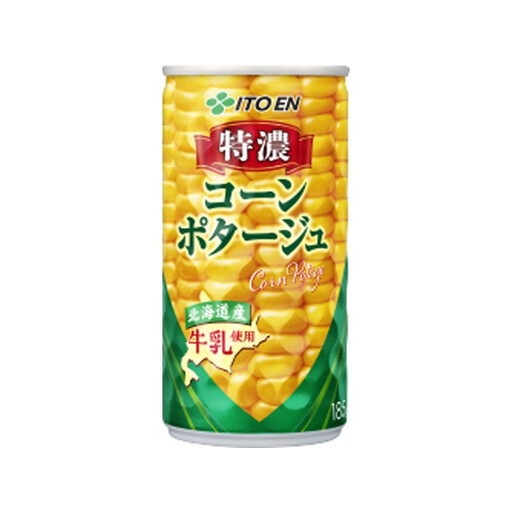 No image available
The 185g size is worth considering when a smaller soup suits your plans. Check the preparation directions, serving information, nutrition panel and milk declaration on the product before relying on them.
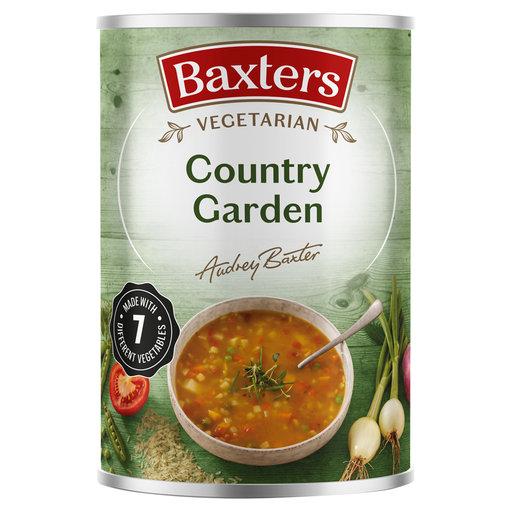 No image available
A vegetable-based alternative for shoppers choosing a different recipe from creamy tomato. Check the current milk declaration, heating directions and opened-storage instructions for your intended use.
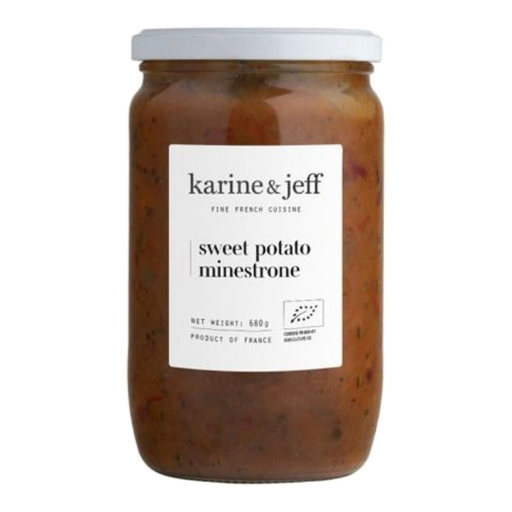 No image available
Consider this sweet-potato minestrone if its vegetable-and-bean recipe appeals to you. Confirm the packaging if a tin is essential, and check the pack for portions, preparation, storage, milk and mustard.
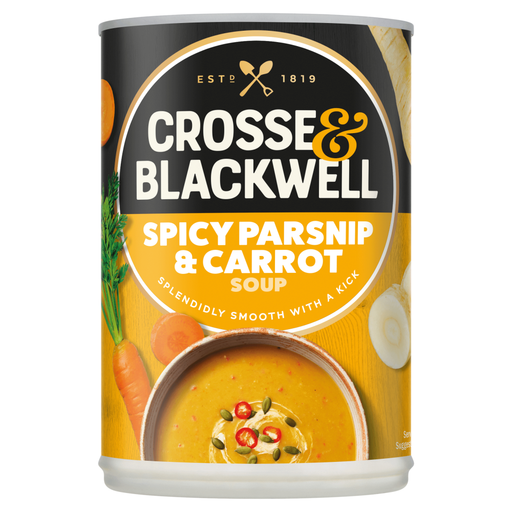 No image available
A parsnip-and-carrot flavour for a different winter lunch. Confirm the packaging if you need a tin, and check the current label for celery, milk and wheat, as well as servings and leftover instructions.
No. The Heinz, Tesco and ASDA tomato-soup examples give two servings per can or nutrition figures per half-can. Check the stated portion before using those figures for the amount you intend to eat.
Compare salt per 100g or calculate it for the portion you will actually eat; a half-can figure does not describe a whole tin. The NHS advises adults to have no more than 6g of salt a day, so the portion basis matters when putting a soup’s label in context.
Not necessarily. The classic cream-of-tomato examples discussed here list milk. Heinz Plant Based Vegan Creamy Tomato is labelled suitable for vegans but lists soya; check the current pack for the dietary statement and allergens you need to avoid.
Follow the directions for that product. ASDA Cream of Tomato instructs shoppers to transfer leftovers to a suitable container, refrigerate them and use them within four days; Heinz Plant Based Vegan Creamy Tomato gives two days. Food Standards Scotland also advises checking the label for opened-storage instructions.
A best-before date concerns quality, not a fixed cut-off for safety. GOV.UK says how long canned food remains acceptable after that date depends on the product. Check the tin’s condition and storage instructions, and do not confuse best-before with use-by.