What matters when choosing?
Ready-to-heat own-label tins
Consider when: you want familiar cupboard meals with little preparation and the particular recipe suits your household.
Bear in mind: an own-label name does not establish that every flavour has the same ingredients or nutritional values.
Branded multipacks
Consider when: the household already enjoys the flavour and is likely to use all the cans.
Bear in mind: a larger pack commits more cupboard space to one choice; check the pack and any offer conditions before adding it to the weekly shop.
Condensed soup
Consider when: you want soup that can also be diluted and used in cooking.
Bear in mind: the can needs added liquid, so its weight is not the amount of prepared soup.
After choosing a format, check the exact recipe and the portion you are likely to serve.
| Priority | What to check | Your needs |
|---|
| Usable quantity |
Check can weight, servings per can and whether liquid must be added. Compare condensed soup by its prepared yield rather than can weight alone. |
I want enough soup for the meals I have planned, without mistaking a concentrated can for a ready-to-heat portion. |
| Preparation |
Read the hob or microwave directions and check whether you need water, milk or a suitable heating container. |
For a quick lunch, I would rather choose a tin that fits the equipment and preparation time available. |
| Salt and portions |
Read salt per 100g and per serving, then check whether the stated serving is half a can or the amount you intend to eat. |
A whole tin may be my meal, even if the nutrition panel describes a smaller serving. |
| Ingredients and allergens |
Check the current ingredients and allergen statement on the exact tin. Confirm any vegetarian or vegan labelling for that product, not just its flavour. |
I need the recipe to fit everyone who may eat it, including anyone avoiding particular ingredients. |
| Storage after opening |
Check the can’s instructions for transferring, refrigerating and using any remainder. |
If I am serving only part of a tin, I need a practical plan for the rest. |
Brand and range references
These references describe particular soup ranges or products, not everything made by each brand or stocked by each retailer.
Asda / Just Essentials
An own-label starting point for routine cupboard meals, represented here by Just Essentials Tomato Soup 400g.
- The cited tomato soup is a ready-to-heat 400g tin.
- It contains milk and mustard; check that exact recipe before buying for someone avoiding either ingredient.
Tesco
A retailer with its own-label tomato soup and branded soup multipacks among the cited listings.
- Its listed Cream of Tomato Soup provides a 400g own-label option.
- Check each recipe and pack separately rather than treating own-label and branded tins as interchangeable.
Heinz
A branded range that includes classic 400g soups, multipacks and Big Soup varieties.
- Single tins and multipacks give households different quantities to plan around.
- Ingredients, allergens and serving details depend on the particular flavour and format.
Campbell's
Condensed soup for shoppers who want a bowl of soup or an ingredient for cooking.
- Campbell's Cream of Chicken 295g instructs users to add one can of water, or half milk and half water, before heating.
- Account for the added liquid; check the exact variant’s ingredients and allergens.
Sainsbury's
A supermarket soup range with own-label and branded products and dietary filters.
- Filters can help narrow the products to inspect.
- Sainsbury's advises checking the product label for allergy or intolerance information rather than relying on filters.
M&S
A tinned-soup range that includes vegetarian and vegan-filtered options.
- The range offers several recipe types for shoppers comparing flavours and dietary labels.
- Check the individual product and local Foodhall selection for the option you intend to buy.
Joybuy soup options
These Joybuy options are individual soups for cupboard meals, including several 400g Heinz varieties, a smaller corn potage and a parsnip-and-carrot soup. Compare the exact format, ingredients and serving information before choosing for the weekly shop.
 No image available
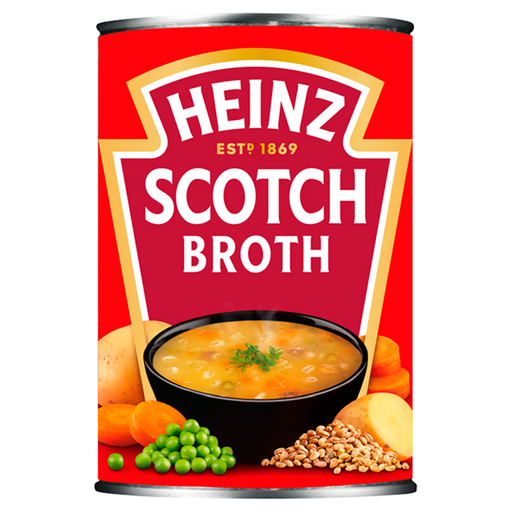
Heinz Scotch Broth Soup 400g
A 400g broth-style option for a cupboard meal, with hob and microwave heating directions. The listed ingredients include mutton, pearl barley and vegetables; it contains gluten from barley and wheat.
View on Joybuy
 No image available
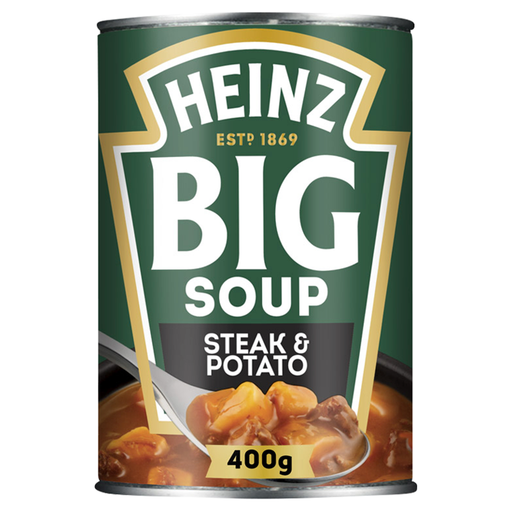
Heinz Big Soup Steak & Potato 400g
A 400g soup for a quick lunch or dinner. Its listed ingredients include beef and potatoes; the nutrition information gives 0.6g salt per 100g, so check the amount you plan to serve. Read the current pack if allergen suitability matters.
View on Joybuy
 No image available
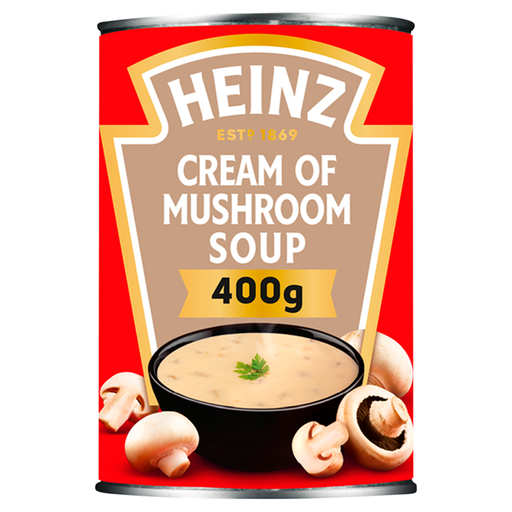
Heinz Cream of Mushroom Soup 400g
A cupboard soup listed as suitable for vegetarians, with two servings per 400g can and hob or microwave directions. It contains milk and wheat; the listed salt figure is 0.6g per 100g.
View on Joybuy
 No image available
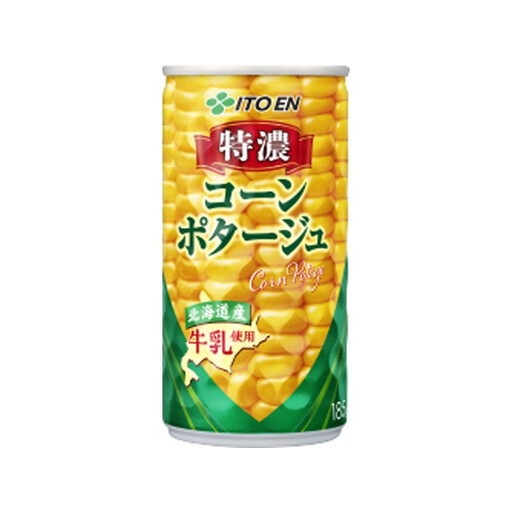
Itoen Special Rich Corn Potage Soup 185g
A smaller, 185g canned corn potage for a cupboard meal. The listed ingredients include sweet corn and milk, with chicken bouillon flavouring. Check the current can’s sugar and carbohydrate figures before using its nutrition panel to compare recipes.
View on Joybuy
 No image available
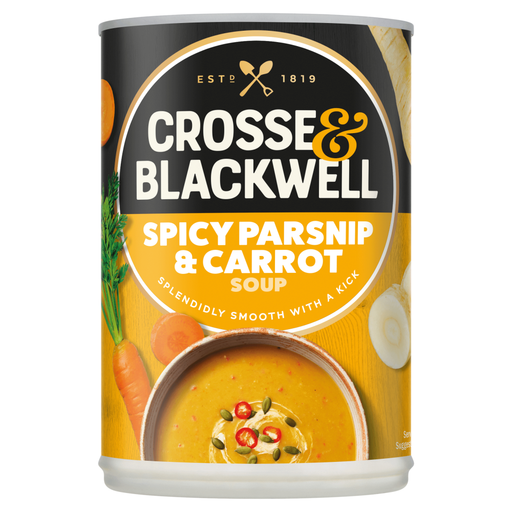
Crosse & Blackwell Best of British Spicy Parsnip & Carrot Soup 400g
A 400g soup described for quick lunches or light suppers. Its listed ingredients include parsnips, carrots, ginger and dried red pepper; it contains celery, milk and wheat. Check the packaging format if a tin is essential to your cupboard plan.
View on Joybuy
Questions about buying tinned soup
How do I compare ready-to-heat and condensed soup?
Compare what you will prepare and serve, not just the weight printed on each can. Ready-to-heat soup can be compared with another ready-to-heat soup by can size and servings; for condensed soup, include the required liquid and prepared yield. Campbell's Cream of Chicken 295g, for example, instructs users to add a can of water, or half milk and half water.
Are own-label tins always the right choice for a weekly shop?
No. An own-label tin is a sensible starting point for routine meals only if the household likes the flavour and its ingredients, dietary suitability and portions fit the plan. A multipack may suit a household that will use every can, while condensed soup serves a different cooking purpose.
Can I rely on a soup’s flavour name to judge allergens?
No. Check the exact can’s ingredients and allergen information: ASDA's Just Essentials Tomato Soup contains milk and mustard, while the cited Campbell's Cream of Chicken contains wheat and milk and may contain egg. Recipes differ even when products sound similar.
Does salt per serving describe a whole tin?
Not necessarily. Check how many servings the manufacturer assigns to the can and compare that with the amount you will eat. The per 100g figure can help when serving sizes differ between soups.
What should I do with soup left after opening a tin?
Follow the storage and use-by-opening instructions on that exact can. Check whether you need to transfer the remainder to another container and how it should be refrigerated before planning a second serving.


