Who is this for?
An easy cupboard meal can be useful, but the right soup depends on the person eating it and any requirements they already follow.
Older adults choosing an easy cupboard meal
If convenience and organic ingredients appeal, compare the nutrition panel, serving size and ingredients before deciding what the soup contributes to a meal. Royal United Hospitals Bath NHS Foundation Trust advises people over 65 to choose nutrient-rich foods, including foods with slightly more protein.
Carers shopping for someone with a reduced appetite
Consider how much soup the person is likely to eat, as well as its labelled nutrition and whether they can manage its texture. Norfolk and Waveney ICB guidance notes that people requiring care are at increased risk of malnutrition; an individual care plan takes precedence over a general product comparison.
People shopping around allergy, salt or swallowing requirements
Check each current can against the person’s allergens and any advice they have been given about salt. If they follow an assessed texture-modified diet, use their clinician’s or speech-and-language therapist’s plan rather than assuming a standard soup is suitable.
What should you check?
Start with the portion that will actually be eaten, then compare labels on the same serving basis. Treat organic status as a separate preference from nutrition and individual suitability.
| Priority |
What to check |
Your needs |
| Protein and portion |
Read protein per 100g or stated serving, the can size and how much will be eaten. Compare like-sized portions rather than a whole-can figure with a half-can figure. |
I want to know what the soup contributes to the meal, especially if only part of the can will be eaten. Royal United Hospitals Bath NHS Foundation Trust includes protein among the nutrients to consider in eating well over 65. |
| Salt |
Check salt in grams for the stated serving and the intended portion. If the person has been advised to reduce salt, follow that individual advice. |
A soup can fit my taste preference but still need a closer look at its salt declaration. The NHS advises checking labels because packaged and everyday purchased foods contribute substantially to salt intake. |
| Texture |
Look for pieces, skins or seeds and consider the liquid’s consistency. Check both against any assessed texture plan before serving. |
If a swallowing plan applies, I cannot judge suitability from a picture or a claim that a soup is smooth. The Hillingdon Hospitals NHS Foundation Trust’s Level 5 minced-and-moist guidance, for example, excludes runny liquids and limits lump size. |
| Allergens |
Read the current ingredients and allergen statement. Check exactly which ingredients any free-from wording excludes. |
I need the particular can to match the person’s allergy or intolerance requirements; an organic claim does not answer that question. |
| Organic status |
Check the current can’s organic wording alongside its nutrition and ingredient information. Do not use the organic claim in place of those checks. |
Organic production matters to my choice, but I still need to decide whether this soup’s portion, ingredients and texture work for the person eating it. |
Brand and product-line references
These named soups illustrate different label checks; a brand name alone does not establish that another soup in its range has the same ingredients or nutrition.
Mr Organic
Ocado lists organic bean-, pea- and lentil-based Mr Organic soups with manufacturer-stated protein amounts per tin.
- The manufacturer claims presented by Ocado are 22g per tin for Spicy Mixed Bean, 17.6g for Garden Pea & Vegetable and 13.2g for Tomato & Lentil. These provide figures to compare on a per-tin basis.
- Those protein claims do not establish whether any soup meets a person’s salt, allergy or texture requirements. Check the current can.
Heinz
Tesco Groceries lists Heinz Organic Cream of Tomato Soup as an organic, vegetarian tomato soup in a 400g can.
- The Tesco listing states 1.9g protein and 1.2g salt per half can, making the serving basis clear for a label comparison.
- The listing identifies milk as an allergen. Its stated protein per half can should not be treated as a whole-can figure or as proof that the soup meets a protein-focused meal need.
Free & Easy
Ocado lists Free & Easy Organic Pea & Mint Soup with specific free-from statements.
- The listing states that this product is free from wheat, gluten, dairy, mustard, celery, soya and nuts.
- Those statements concern this product and the named exclusions, not every allergy or every Free & Easy soup. Check the current pack against the individual’s requirements.
Organic soup options on Joybuy
These two organic-labelled soups offer different flavours and pack sizes to consider when shopping for an older person. Compare the current labels and the amount likely to be eaten; neither product name establishes suitability for an individual dietary or swallowing requirement.
 No image available
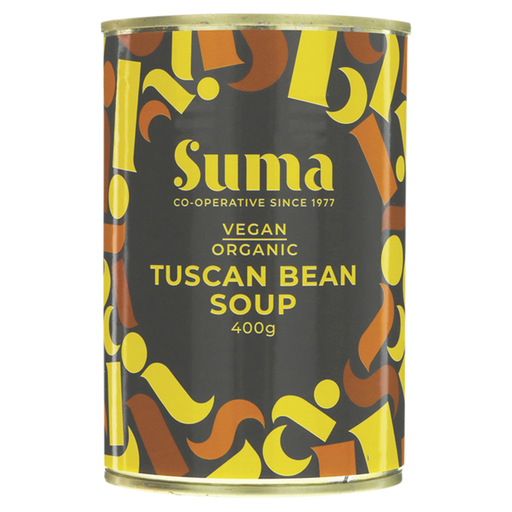
Suma Organic Tuscan Bean Soup 400g
This bean soup is an option to compare if a convenient cupboard meal is the aim. Check the current can’s protein and salt figures for the portion likely to be eaten, and check for celery if it is an allergen concern. Assess its texture against any individual swallowing plan.
View on Joybuy
 No image available
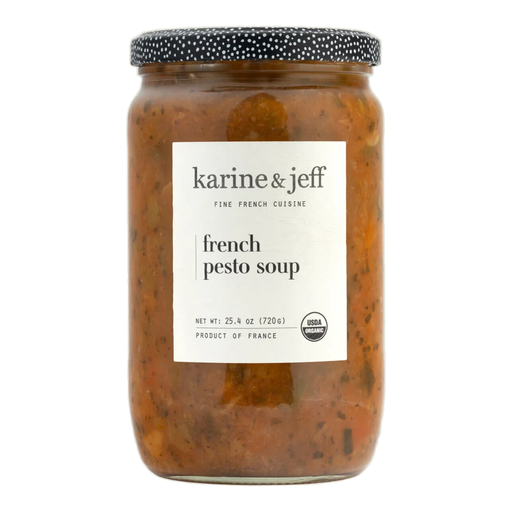
Karine & Jeff Organic French Pesto Soup 680g
For this 680g soup, use the amount likely to be served when comparing its nutrition panel with another product. Check the current pack for wheat, soya and celery warnings, storage instructions and a texture that fits any assessed swallowing plan.
View on Joybuy
Questions about choosing soup
Does organic mean a tinned soup meets an older person’s nutrition needs?
No. The Department for Environment, Food & Rural Affairs says food labelled or advertised as organic must be inspected and certified, but organic status does not establish the soup’s protein, salt, allergens or texture. Check those details on the current can for the person who will eat it.
Should protein affect which soup I choose?
Protein is worth checking, particularly when the soup is intended to contribute to a meal. Royal United Hospitals Bath NHS Foundation Trust advises nutrient-rich eating over age 65, including foods with slightly more protein. Compare labels for the amount likely to be eaten, while considering the person’s wider diet and any individual advice.
Is ordinary tinned soup suitable for someone with swallowing difficulties?
Do not assume it is. The Hillingdon Hospitals NHS Foundation Trust’s Level 5 minced-and-moist guidance excludes runny liquids and limits lump size; other assessed requirements may differ. Follow the person’s individual swallowing plan before choosing or preparing a soup.
How should I compare salt between soups?
Read salt in grams on the current pack and compare the same serving size or the amount the person will eat. The NHS recommends checking labels for salt; if the person has been given an individual salt restriction, follow that advice rather than assuming every older adult needs the same limit.
Can I assume an organic soup is suitable for an allergy?
No. Check the current ingredients and allergen statement for the specific can. Tesco Groceries lists milk in Heinz Organic Cream of Tomato Soup, while Ocado lists particular free-from exclusions for Free & Easy Organic Pea & Mint Soup; neither description applies to organic soups in general.


