What should you check?
Choose a preparation format you can use easily, then compare the label and plan how you will store and serve the soup.
| Priority | What to check | Your needs |
|---|
| Preparation |
Check whether the soup is ready to heat or condensed. For condensed soup, read which liquid to add and how to heat it. |
I want something I can heat with few steps, or I’m happy to add liquid because I also use soup in cooking. |
| Nutrition label |
Compare salt, saturates, sugars and protein per 100g, then check the serving information against the amount you will eat. Read any added-sugar or reduced-salt claim alongside the full label. |
Two familiar flavours might not fit my food requirements in the same way. I want to compare the actual tins rather than choose by the name on the front. |
| Place in a meal |
Consider the serving size and what else will be eaten with it. Royal United Hospital Bath’s older-adult nutrition resource emphasises nutrient-rich eating, including attention to protein, calcium, folate and vitamin B12. |
If my appetite is smaller, I need to consider the whole meal rather than assume soup alone meets my needs. |
| Ingredients and allergens |
Read the ingredients on the current pack, including emphasised allergens. Check dietary claims on the exact variant rather than across a flavour or brand range. |
I need a soup whose ingredients suit the person eating it, especially if an allergen or other dietary restriction applies. |
| Storage and portions |
Check the date, the number of servings and the instructions for opened soup. Rotate cupboard supplies by date, as Age UK Salford and Trafford advises. |
I want tins that can be used while they are in date, with a plan for any soup left after opening. |
Brand references
Use these ranges as starting points, then compare the exact tin: ingredients and nutrition claims are product-specific.
Heinz
Heinz has several 400g soups listed by Ocado, including Cream of Tomato, Cream of Chicken and Vegetable.
- Ocado lists a No Added Sugar Cream of Tomato variant with a 25%-less-salt claim relative to standard Heinz Cream of Tomato.
- That claim belongs to the named variant; check the current tin rather than applying it to the full Heinz range.
Campbell’s
Campbell’s UK lists condensed Cream of Chicken, Cream of Mushroom and Cream of Tomato soups for serving or using in recipes.
- The condensed format is an option if adding liquid and using soup in cooking suit your plans.
- Waitrose & Partners instructs shoppers to add liquid to the cited Cream of Chicken soup before heating; check each tin’s directions and ingredients.
Tesco
Tesco Groceries lists own-label 400g soups including Cream of Tomato, Vegetable, Cream of Mushroom, Minestrone and Scotch Broth.
- The listed flavours provide several own-label recipes to compare.
- Check nutrition, ingredients and preparation on the exact current product.
Sainsbury’s
For shoppers using Sainsbury’s, the relevant comparison is the exact soup they are considering alongside other tins in their shop.
- Read that product’s current label for ingredients, nutrition and preparation before deciding.
Asda
Just Essentials by Asda Tomato Soup is an own-label option to consider when shopping at Asda.
- Judge its dietary fit from the exact current tin’s ingredients, nutrition panel and directions.
M&S
M&S lists tinned soups across several recipes and product lines, including a 400g Cream of Tomato.
- For that specific Cream of Tomato, M&S publishes 0.45g salt and 0.2g saturates per 100g.
- The same product lists skimmed milk and double cream; its figures and ingredients do not describe every M&S soup.
Joybuy soup options
These Joybuy soup options offer different flavours and labelled pack sizes for a store-cupboard shop. Compare each product’s preparation directions, nutrition panel and ingredients for the person who will eat it.
 No image available
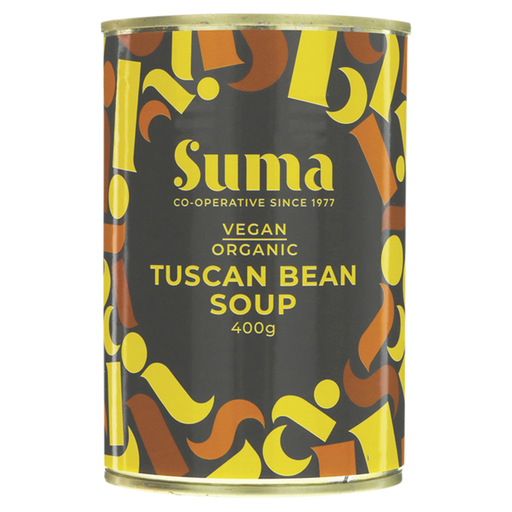
Suma Organic Tuscan Bean Soup 400g
A 400g bean soup to consider when you want a heat-and-serve cupboard lunch. Compare the current pack’s nutrition and allergens, including celery, and follow its directions for any portion left after opening.
View on Joybuy
No image available
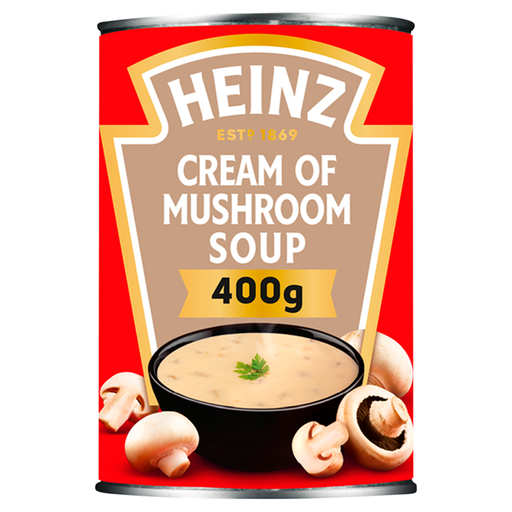
Heinz Cream of Mushroom Soup 400g
A 400g mushroom soup for a lunch where heating on the hob or in a microwave is practical. Check the current ingredients for milk and wheat, and use the pack’s serving and opened-soup directions.
View on Joybuy
 No image available
Crosse & Blackwell Best of British Spicy Parsnip & Carrot Soup 400g
A 400g parsnip-and-carrot soup to compare if you want a heat-and-serve option with this flavour. Check the current pack for preparation details and for celery, milk and wheat in the allergen information.
View on Joybuy
 No image available
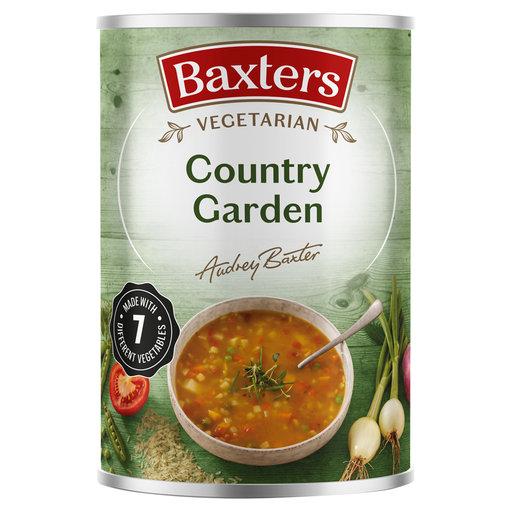
Baxters Vegetarian Country Garden Soup 400g
A 400g vegetarian soup to consider for a cupboard meal. Check its heating directions if preparation effort matters, and read the current ingredient and allergen label for milk.
View on Joybuy
 No image available
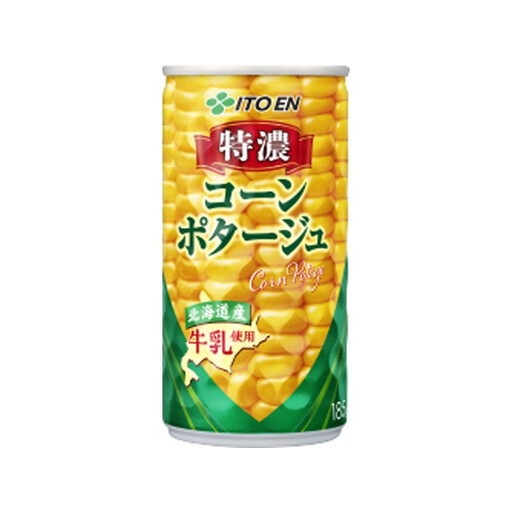
Itoen Special Rich Corn Potage Soup 185g
A corn potage described as ready to eat, for a smaller soup portion. Confirm the pack weight and read its current nutrition panel before making dietary comparisons; follow the pack’s directions after opening.
View on Joybuy
Questions about choosing and storing soup
How can I compare salt in two tins of soup?
Compare salt per 100g first, then check how much soup you expect to eat. NHS inform describes more than 1.5g salt per 100g as high and 0.3g or less per 100g as low; the amount in your portion still matters.
Is a tin of soup enough for an older person’s meal?
Do not assume one tin meets every nutritional need. Royal United Hospital Bath’s older-adult nutrition resource emphasises nutrient-rich eating, including protein, calcium, folate and vitamin B12; consider the soup alongside other foods and follow individual dietary advice where applicable.
What changes when I choose condensed soup?
Condensed soup needs the liquid specified in its instructions before heating, unlike a ready-to-heat option. For Campbell’s Cream of Chicken, Waitrose & Partners instructs shoppers to add a can of cold water, or a mixture of milk and water, and not to boil or overheat it.
What should I do with soup left after opening?
Follow the directions on the exact pack and refrigerate opened soup as instructed. The cited Campbell’s Cream of Chicken listing says to empty and cover it before refrigerating and to use it within two days; M&S gives a two-day refrigerated period for its cited Cream of Tomato.
Where should I check a tinned soup for allergens?
Check the current pack’s ingredients list rather than relying on the flavour name or an earlier purchase. GOV.UK guidance says allergens that must be declared on pre-packed food are emphasised within that list.


