Older adults choosing a convenient lunch
If a more substantial or flavour-led soup appeals, compare the recipe and the portion likely to be eaten. A premium-style name alone says little about its protein, fibre or salt.


Choose a tinned soup for an older adult by the amount they will eat and their dietary needs, not by a premium label. Chicken or bean-based recipes may offer more protein than a creamy tomato recipe, but compare the nutrition panels on the same basis and check salt and allergens. If appetite is poor or weight loss is a concern, soup is one part of a wider eating plan; a swallowing difficulty or prescribed diet calls for individual clinical advice before serving it.
If a more substantial or flavour-led soup appeals, compare the recipe and the portion likely to be eaten. A premium-style name alone says little about its protein, fibre or salt.
Soup can form part of a wider eating plan when someone is eating little. The NHS advises clinical assessment when unintentional weight loss or malnutrition is a concern rather than relying on a food purchase alone.
For an older adult with swallowing difficulties, allergies or other dietary restrictions, check the individual plan and the current product label. Neither a smooth appearance nor a recipe name establishes suitability.
Start with the portion the person is likely to eat, then compare nutrition and ingredients across recipes. Texture requirements take priority over flavour preferences when a swallowing plan has been prescribed.
| Priority | What to check | Your needs |
|---|---|---|
| Protein and energy | Read protein and energy per 100g, then consider the amount actually served. Compare recipes on the same basis; do not treat a premium label as a nutrition measure. | When appetite is small, I want to know what the bowl contributes to the wider meal plan. If weight loss is a concern, I need advice beyond choosing a soup. |
| Salt and portion | Check salt per 100g and the container’s stated servings against the amount eaten. The NHS notes that a manufacturer’s portion may differ from your own. | If soup is eaten regularly, or a lower-salt diet has been advised, I want to compare the salt in the portion that will actually be served. |
| Texture | Look for chunks, grains or other pieces. For a prescribed texture level, follow the individual plan; the International Dysphagia Diet Standardisation Initiative says flow and texture checks should reflect serving conditions, including temperature. | A soup that looks smooth is not enough for me to decide whether it meets someone’s swallowing requirements. |
| Ingredients and allergens | Read the current ingredients and allergen information, including in vegetable or creamy recipes. Check the label again when buying a familiar product. | I need the exact recipe to fit the person’s allergies or prescribed dietary restrictions, rather than judging it by its name. |
| Storage after opening | Check the pack’s refrigeration, storage and use-by instructions for any leftovers. | If only part of the tin will be eaten, I need a practical plan for the remainder. |
Recipe style does not establish protein content. Marks & Spencer lists 1.2g protein per 100g for its Cream of Tomato Soup and 3.5g per 100g for its Chunky Chicken and Vegetable Soup.
Choose a flavour the person enjoys, then compare nutrition for the amount they are likely to eat.
A person may eat more or less than the manufacturer’s serving. Sainsbury's lists two servings in its 600g Taste the Difference Chicken Mulligatawny Soup, with 1.14g salt per listed serving.
Use the quantity served when considering protein, energy and salt alongside the rest of the person’s diet.
Even a soup described as smooth has not thereby been shown to meet an individual’s prescribed texture level. Chunky recipes can also contain pieces that need particular attention.
Follow the assessed swallowing plan and the relevant clinician’s advice. Where testing is required, the International Dysphagia Diet Standardisation Initiative says to test under intended serving conditions.
Tomato, vegetable and creamy soups can have different ingredients and allergens. Instructions for storing an opened product can differ too.
Check the current tin’s ingredients, allergens and instructions before serving or storing it.
These recipes illustrate different choices; a brand or range name does not establish suitability for an individual older adult.
Its listed soups include chicken and vegetable, minestrone, and cream of tomato recipes, allowing recipe-by-recipe comparisons.
Chicken Mulligatawny is an example of a chicken, lentil and rice recipe for comparison with other soup styles.
Its Classic Vegetable Soup provides a familiar vegetable-and-macaroni recipe to compare with more flavour-led options.
These options cover vegetable, beef and bisque-style recipes for different flavour and ingredient preferences. Compare each current label and the intended portion against the older adult’s needs; this list is not a texture-suitability assessment.
 No image available
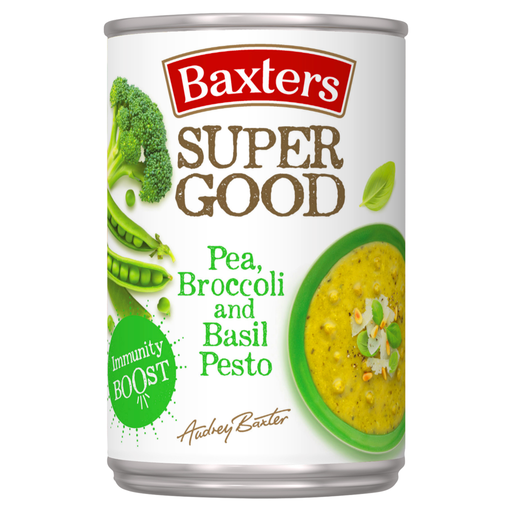
Consider this pea and broccoli recipe when a basil-pesto flavour appeals. The product information lists milk and pine nuts among its allergens; check the current pack and the portion served. Do not use its appearance to judge suitability for a prescribed swallowing texture.
 No image available
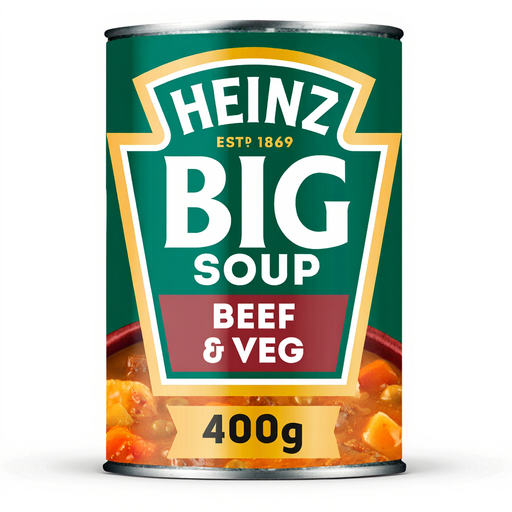
This beef-and-vegetable recipe is an option for someone who prefers visible ingredients. Its chunks must not be assumed suitable for a person with swallowing difficulties; follow their assessed plan. Check the current label for nutrition and allergens.
 No image available
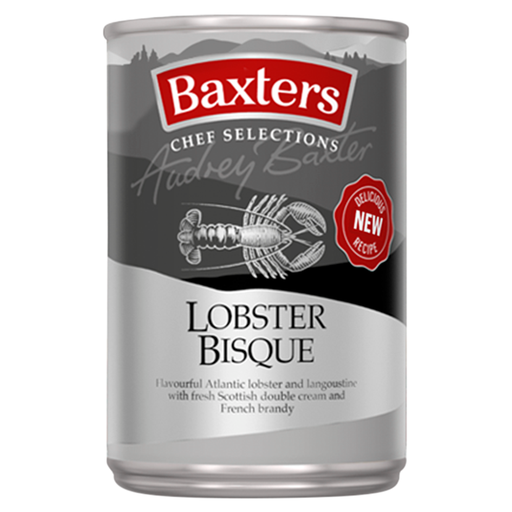
Choose this bisque for its seafood-and-cream flavour rather than assuming it meets a protein need. The product information lists crustaceans, milk, sulphites and celery; check the current pack. A smooth description does not establish a prescribed swallowing texture.
 No image available
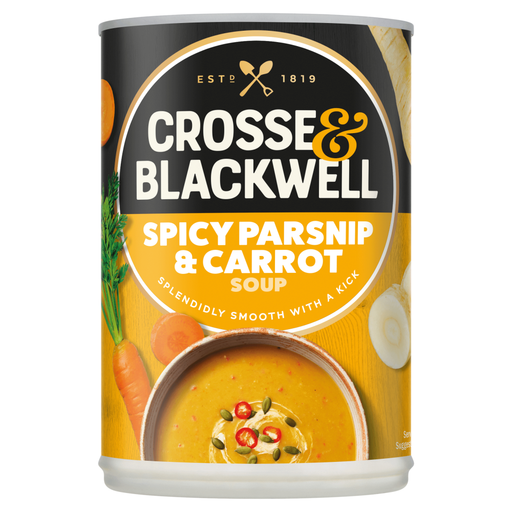
This parsnip-and-carrot recipe offers a spiced vegetable flavour. The product information lists celery, milk and wheat, so check the current pack before serving. Compare the nutrition for the intended portion, and follow any prescribed swallowing plan.
Not on the strength of its premium label. Check what the person actually eats and compare protein, energy and salt for that portion. Where poor appetite or weight loss is a concern, NHS malnutrition guidance describes a wider approach that can include fortified foods and calls for clinical assessment when malnutrition is suspected.
Check the nutrition information per 100g and for the intended portion, then read the ingredients and allergens. Look at storage instructions if there may be leftovers. The NHS notes that a manufacturer’s stated portion can differ from the amount eaten.
Its appearance alone cannot establish that. The International Dysphagia Diet Standardisation Initiative says flow and texture should be assessed under intended serving conditions, especially temperature; an individual’s clinician determines the appropriate recommendation after assessment.
Seek medical advice rather than relying on a change of soup. The NHS identifies unintentional weight loss as a sign of possible malnutrition and advises seeing a GP if an older person may be malnourished.
Follow the instructions on the current product label. Marks & Spencer’s Chunky Chicken and Vegetable Soup, for example, instructs refrigeration after opening and use within two days; do not apply one product’s instructions to every soup.