Who is this for?
Shopping for one changes the usefulness of a tin’s serving and storage instructions, particularly when you do not expect to finish it at once.
People planning a simple meal for one
A cupboard-stored soup can be convenient to heat, but a 400g tin labelled as two servings calls for a plan for the unused portion. The storage period after opening varies between the Tesco, Sainsbury’s and ASDA products described on their labels.
People eating smaller meals
Serving size and protein per portion are useful comparisons if appetite is reduced. Guy’s and St Thomas’ NHS Foundation Trust describes small, frequent meals or snacks as one approach in its poor-appetite guidance; a soup label alone cannot establish what meets an individual’s dietary needs.
People checking salt, allergens or texture
The amount eaten matters when reading salt figures, and ingredients differ between otherwise familiar soup varieties. Anyone following a prescribed swallowing plan should use their clinical team’s advice rather than assume that a soup described as smooth has the required consistency.
What should you check?
Start with the portion you expect to eat and any remainder; then compare nutrition and ingredients on the same serving basis.
| Priority | What to check | Your needs |
|---|
| Portions and leftovers |
Read the serving count as well as the tin size. Check the exact product’s refrigeration and use-within instructions after opening; the cited 400g Tesco, Sainsbury’s and ASDA soups are labelled as two servings, with stated periods that differ by product. |
If I only want half a tin now, can I refrigerate the rest and use it within the period on its label? |
| Soup format |
Check whether it is a standard soup, a chunky variety or a condensed soup requiring preparation. Campbell’s describes its condensed Cream of Tomato as suitable for cooking as well as eating as soup; follow the instructions for the product you buy. |
For a straightforward bowl, I would check the preparation instructions. If I also cook with soup, a condensed product may suit that use. |
| Protein per portion |
Compare the labelled amount for the portion you intend to eat. Sainsbury’s lists 6.2g protein per half can for Heinz Chicken & Vegetable Chunky Big Soup; its smooth Cream of Tomato lists 2.1g per half can. These figures describe those products, not every chunky or smooth soup. |
When protein matters to my meal planning, I want the figure for the amount I will actually serve, not a judgement based on the word “chunky”. |
| Salt |
Compare like-sized portions and account for a whole tin if you will eat both stated servings. The NHS advises adults to have no more than 6g of salt a day; the salt in soup is only part of that total. |
If I usually finish a 400g tin, I need to consider the salt in the whole tin rather than only the half-can figure on its label. |
| Ingredients and texture |
Check the current pack’s ingredients and allergen declaration. For a prescribed swallowing texture, follow the assessment and advice of a Speech and Language Therapist; an ordinary soup’s smooth or chunky description is not a clinical texture classification. |
I need to know whether this exact soup fits my ingredient requirements. If I have a swallowing plan, its instructions take precedence over the product name. |
Brand and retailer references
These examples show why the exact variety and pack label matter more than a brand name alone; they do not indicate which products are available on Joybuy.
Heinz
Its Chicken & Vegetable Chunky Big Soup is a 400g example labelled high in protein.
- Sainsbury’s lists 6.2g protein per half can for this variety.
- The same half can contains 1g salt, and the ingredients include wheat and milk. The tin is labelled as two servings.
Campbell’s
Campbell’s describes its condensed Cream of Tomato as a soup that can also be used in cooking.
- The condensed format offers a different use from a standard ready-to-heat tin; follow its preparation instructions.
- Campbell’s lists 1.34g salt and 1.8g protein per 147.5g portion, and identifies milk and celery as allergens.
Tesco
Tesco Cream of Tomato is a 400g smooth soup labelled in half-can portions.
- Tesco lists 2.0g protein and 1.12g salt per half can.
- It contains milk. Tesco’s product instructions say to refrigerate it after opening and consume it within four days.
Sainsbury’s
Sainsbury’s Cream of Tomato is a 400g soup labelled as two servings.
- Its listed half-can portion contains 2.1g protein and 0.89g salt.
- It contains milk; Sainsbury’s instructs shoppers to refrigerate the opened remainder and use it within two days.
ASDA
ASDA lists both Cream of Tomato and Just Essentials tomato soups in 400g tins.
- ASDA lists 0.90g salt per half can for Cream of Tomato and 0.94g for its Just Essentials tomato soup.
- Both cited products list milk; Just Essentials also lists mustard. Their post-opening use periods differ, so check the exact tin.
M&S
M&S lists 400g tinned soups alongside larger-format varieties.
- Its Cream of Tomato is a 400g example with nutrition and storage information on the product listing.
- For that variety, M&S instructs shoppers to refrigerate the opened remainder in an airtight container and eat it within two days. Check serving information for other varieties separately.
Tinned soups on Joybuy
These Joybuy options include a 400g soup described as serving one, other 400g tins to assess for portioning, and a smaller 185g can. Check each current pack for the serving, ingredient and storage details that affect your choice.
 No image available
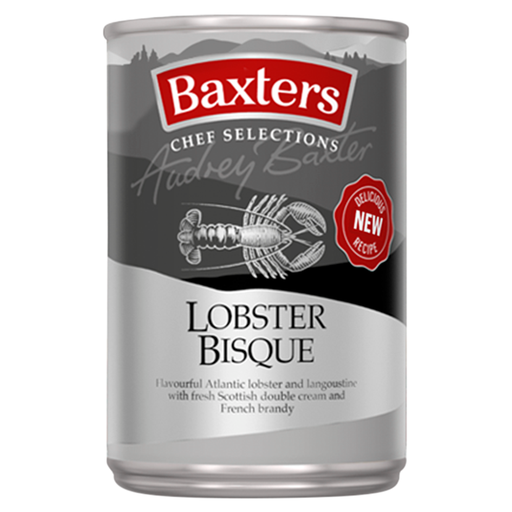
Baxters Lobster Bisque Chef’s Selection Soup 400g
This tin is described as serving one, making its portion statement worth considering if you do not want to divide a 400g can. Check the current ingredients for crustaceans, milk, sulphites and celery; the supplied ingredient notes also list white wine and French brandy. Follow the pack’s instructions for any uneaten soup.
View on Joybuy
 No image available
Heinz Cream of Mushroom Soup 400g
Its stated two-serving format suits a plan to divide the tin, provided you can refrigerate and use the remainder within the stated two days. Check the current pack for milk and wheat if either ingredient matters to you.
View on Joybuy
 No image available
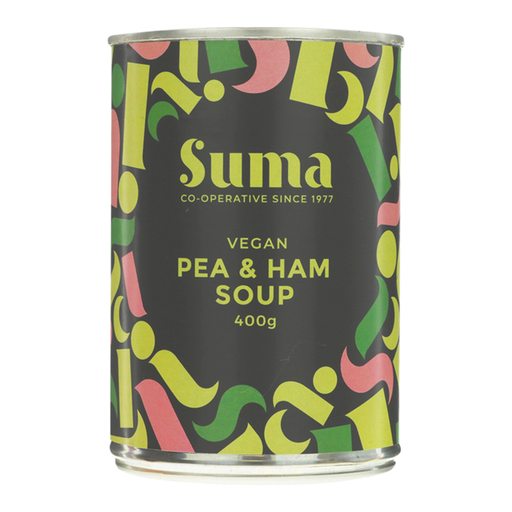
Suma Pea & Vegan Ham Soup 400g
For a meal for one, check the pack’s serving size before deciding whether to divide this 400g tin. The supplied ingredient notes list milk, soya and wheat as allergens: do not rely on “Vegan Ham” in the name to establish dietary suitability. Refrigerate any opened remainder and follow the stated two-day use period.
View on Joybuy
 No image available
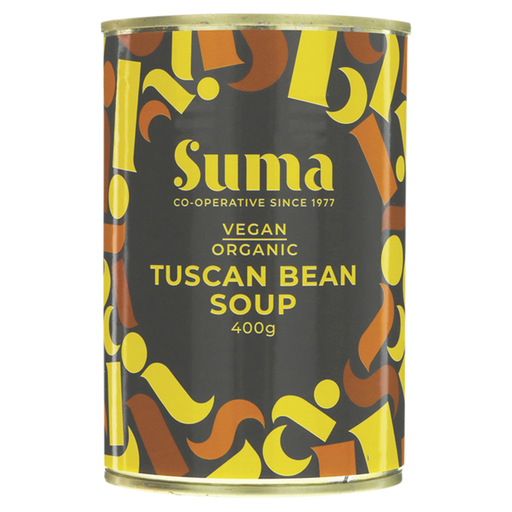
Suma Organic Tuscan Bean Soup 400g
Check the serving size on this 400g tin if a defined portion for one matters to you. Its storage guidance calls for opened soup to be refrigerated and used within two days; check the current ingredients for celery.
View on Joybuy
 No image available
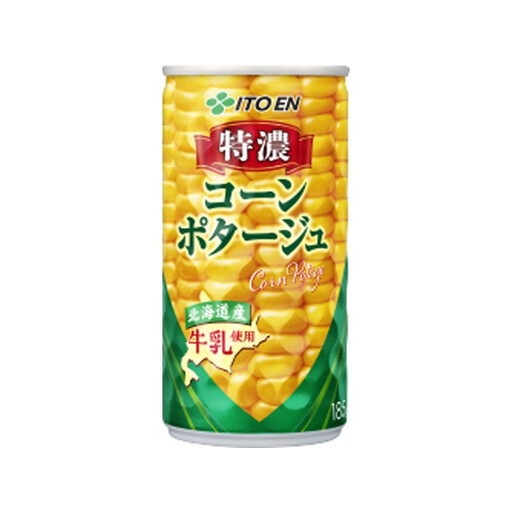
Itoen Special Rich Corn Potage Soup 185g
The 185g can offers a smaller pack size to compare with 400g tins, but check its stated serving size and any post-opening instructions before treating it as one portion. Check the current pack for milk and use its sugar and carbohydrate figures when comparing nutrition.
View on Joybuy
Questions about soup for one
Is a 400g tin one meal or two servings?
Check its label: the cited Tesco, Sainsbury’s and ASDA tomato soups and Heinz Chicken & Vegetable Chunky Big Soup are labelled as two servings. You may choose to eat a different amount, but compare nutrition for the amount you serve and plan how to store any remainder.
How long can I keep soup after opening the tin?
Follow the instructions on your exact product and refrigerate the remainder as directed. Sainsbury’s lists two days for its cited Cream of Tomato, while Tesco lists four days for its cited Cream of Tomato; those periods should not be applied to every soup.
Does a chunky soup provide more protein than a smooth one?
Not on the basis of texture alone. Sainsbury’s lists 6.2g protein per half can for Heinz Chicken & Vegetable Chunky Big Soup and 2.1g per half can for its own Cream of Tomato, but those product-specific figures do not establish a rule for all chunky and smooth soups. Compare the labels for the portion you intend to eat.
Is smooth tinned soup suitable if I have swallowing difficulties?
Do not assume that “smooth” means it meets your prescribed consistency. Oxford University Hospitals NHS Foundation Trust describes thickened fluids in the context of assessment by a Speech and Language Therapist; follow your individual instructions and ask your clinical team before changing a soup’s texture.
What should I check for salt and allergens?
Read the current pack’s salt figure for the amount you expect to eat, then check its full ingredients and allergen declaration. The NHS advises adults to have no more than 6g of salt a day. Across the cited soup products, declared allergens include milk, wheat, celery and mustard, depending on the exact variety.


