One- or two-person repeat buyers
A pack of separate cans may suit a household that often wants the same soup for lunch without opening all its portions at once. Check whether the can size fits the amount usually eaten.


A multi-can pack can suit a one- or two-person household that regularly eats the same flavour: each can stays sealed until it is needed. If tastes or dietary requirements differ, individual cans offer more flexibility. Before committing to a pack, compare the price per kg, the amount you would eat from each can, salt per serving, allergens and the instructions for leftovers.
A pack of separate cans may suit a household that often wants the same soup for lunch without opening all its portions at once. Check whether the can size fits the amount usually eaten.
Individual cans let shoppers choose different flavours or compare own-label and branded options. A multipack is worth considering when its flavour and number of cans fit the household’s plans, not simply because it is a pack.
Anyone buying several cans for a household with differing needs should check the exact recipe’s ingredients, allergens and salt information before making it a repeat purchase.
Start with how many cans of one flavour the household will use, then compare portions, labels and unit prices across the packs and individual cans under consideration.
| Priority | What to check | Your needs |
|---|---|---|
| Portions and leftovers | Check the number and size of the cans, the labelled servings per can and the instructions for opened soup. Sainsbury’s describes its 400g Cream of Tomato Soup as two servings and says to refrigerate unused contents in a non-metallic lidded container and use them within two days. | Will we finish a can together, or would one of us need to store a portion for another meal? Separate cans let the rest of a multipack remain unopened. |
| Salt and nutrition | Compare salt per 100g and per stated serving, then consider the amount likely to be eaten. Serving sizes can differ between soups, so the two measures answer different questions. | I want to compare the salt in the portion I would actually serve, rather than assume similar flavours have similar labels. |
| Ingredients and allergens | Read the current ingredients, highlighted allergens and suitability statement for each exact soup. M&S labels its minestrone vegan and vegetarian, but lists wheat/gluten and celery and warns that it is unsuitable for people with milk or egg allergies. | Everyone likely to eat a repeat pack needs a suitable recipe. A mixed selection may work better if our requirements differ. |
| Value and flavour variety | Compare the displayed price per kg or per 100g for the actual packs and cans you might buy. Also check how many cans are the same flavour; a different recipe or promotion changes what is being compared. | Would we use every can of one flavour, or get more use from a few different individual tins? Pack size alone does not settle that choice. |
More cans do not by themselves establish better value, particularly when the alternatives differ by retailer or recipe.
Compare the current price per kg or per 100g of the products you would actually use, then consider whether you want four cans of the same flavour.
A stated serving may be smaller or larger than the bowl you intend to eat, making a per-serving figure difficult to compare on its own.
Read both the per-100g and per-serving salt figures on shortlisted soups and relate them to your usual portion.
Storage instructions change once a can is opened. The checked Sainsbury’s tomato soup and M&S minestrone give refrigeration instructions and a two-day period for leftovers.
Follow the exact pack’s directions for transferring, refrigerating and using unused soup; plan whether a 400g can will be finished at once.
A vegetable-style soup may still list allergens. M&S minestrone, for example, is labelled vegan and vegetarian but lists wheat/gluten and celery and carries further allergy warnings.
Check the current ingredients, highlighted allergens and suitability wording on the exact can before buying multiples.
Tesco Groceries lists Heinz ready-to-heat soup in four-can, 400g-per-can packs as well as individual cans.
Tesco Groceries lists individual own-label 400g soups alongside branded options, making a mixed-flavour selection possible.
Sainsbury’s Cream of Tomato Soup provides an example of a single 400g can labelled as two servings.
M&S lists vegetarian and vegan tinned-soup choices, including a minestrone with beans and pasta.
Campbell’s condensed soups are an individual-can option for households that also use soup in cooking.
These options include six-can packs for households returning to one flavour and single 400g cans for a mixed selection.
 No image available
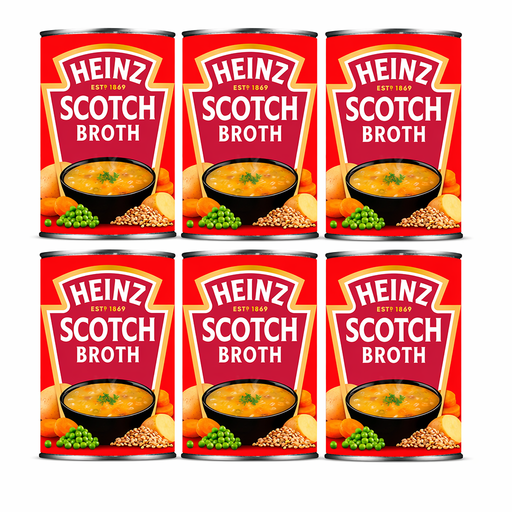
This six-can pack suits a household planning to use the same flavour repeatedly, with each can remaining sealed until opened. If dividing a can between meals, follow its leftover-storage directions. Check the current pack for barley and wheat ingredients and compare salt against the portion you would eat.
 No image available
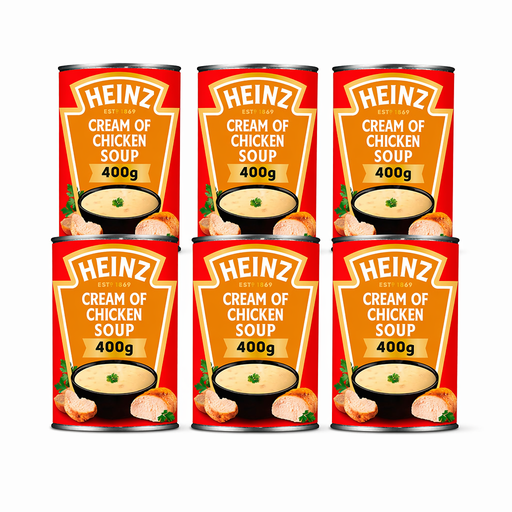
Consider this six-can format if the household will use several cans of cream of chicken soup. Decide whether a 400g can fits the usual meal or will leave soup to refrigerate, and check the current label for milk, wheat and salt information.
 No image available
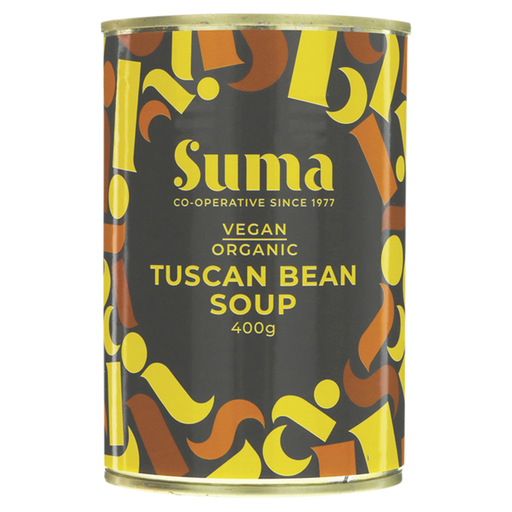
A single can lets the household try this bean soup or include it in a mixed-flavour cupboard without committing to a multipack. Check the current label for celery and milk information before relying on a dietary-suitability description, and follow its directions for leftovers.
 No image available
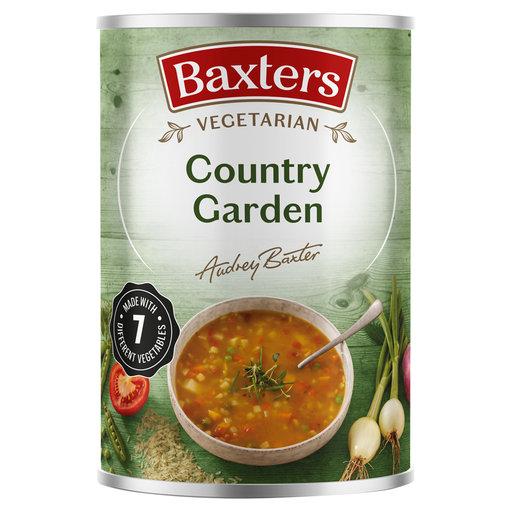
This individual can is another way to vary flavours rather than buy several identical tins. The vegetarian description does not establish vegan suitability: check the current pack’s milk allergen statement, and plan how to store any soup left after opening.
No. The Heinz examples listed by Tesco Groceries are four separate 400g cans, so the unopened cans can remain sealed until needed. Check the exact pack description, as formats can differ.
Follow the exact product label. Sainsbury’s instructs buyers of its Cream of Tomato Soup to put unused contents in a non-metallic lidded container, refrigerate them and use them within two days. Food Standards Scotland also advises checking the label for after-opening storage instructions.
Read salt per 100g for a common comparison basis, then check salt per stated serving against the amount you intend to eat. Stated serving sizes can vary, so a per-serving figure alone may not describe your bowl.
No. Check the exact ingredients, suitability statement and allergy warnings. M&S labels its minestrone vegan and vegetarian, but lists wheat/gluten and celery and warns that it is unsuitable for people with milk or egg allergies.
Not necessarily. Joybuy’s directions for Campbell’s Condensed Cream of Chicken Soup say to add a 295ml can of water, or half milk and half water, before heating. Check the directions on the can and account for any added ingredients when choosing for the household.