Picnickers with a heating plan
If you have access to a hob or microwave at your destination, a tin can provide a warm meal before or after the picnic. Check how the particular soup should be heated and what to do with any leftovers.


For a cold summer picnic, an unopened tin of soup makes more sense as a cupboard backup than as the main meal. Choose ready-to-heat soup if you can heat and serve it safely, or condensed soup if you are preparing a cooked meal; in either case, check the exact pack for ingredients and storage instructions once opened.
If you have access to a hob or microwave at your destination, a tin can provide a warm meal before or after the picnic. Check how the particular soup should be heated and what to do with any leftovers.
An unopened tin can be kept for a later meal when stored as its label directs. Campbell’s also describes its condensed soups as recipe bases, making that format relevant if you plan to cook with the soup.
Vegetarian or vegan filters can help narrow a search, but the current pack’s ingredients and allergen statement matter for the final choice. A vegetable-based name alone does not settle suitability.
Start with where the soup will be eaten and how it will be prepared. Then compare the exact packs for dietary suitability, nutrition and storage.
| Priority | What to check | Your needs |
|---|---|---|
| Heating and serving | Read the preparation directions and confirm that suitable heating equipment will be available. Sainsbury’s describes canned soup as a product to heat; M&S describes hob and microwave preparation for its tinned soups. | I need a meal I can serve where I am going, not just a tin I can carry there. Without a heating plan, I would keep soup for another meal. |
| Soup format | Check whether the tin is ready to heat or condensed, and follow any dilution or cooking directions. For condensed soup, check whether the nutrition panel describes the product as sold or as prepared. | If I am cooking at home or in a holiday kitchen, a condensed soup could also be an ingredient. For a straightforward hot bowl, I would check a ready-to-heat tin instead. |
| Ingredients and allergens | Read the current ingredients and allergen statement, even when a product is labelled vegetarian or vegan. M&S’s minestrone listing, for example, carries a milk-allergy warning despite its vegan and vegetarian labels. | A dietary filter helps me find candidates, but I need the individual pack to meet my requirements. |
| Salt and portions | Compare salt per 100 g and per serving, using the preparation basis stated on each label. A condensed soup’s figures may be given for the soup as consumed rather than straight from the tin. | When comparing two soups, I want to know how much of each I would actually serve and whether its nutrition figures include preparation. |
| Storage outdoors | Check unopened storage directions and the instructions that apply after opening. The Food Standards Agency says foods normally kept in the fridge at home also need to be kept cool on a picnic. | An unopened tin may be my backup meal, but if I take prepared soup or other chilled food outdoors, I need a way to keep it cool. |
Retailer preparation guidance describes tinned soup as something to heat. Without suitable equipment, it may not provide the meal you planned to serve.
Confirm how you will heat and serve it, or leave the unopened tin for a cupboard meal.
The Food Standards Agency advises keeping foods that would normally be refrigerated cool during a picnic. Opening or preparing soup changes the storage decision from simply carrying an unopened tin.
Follow the soup’s after-opening directions, and keep prepared or refrigerated food cool during the outing.
Taking chilled food may mean carrying a cool bag or cool box with ice or frozen gel packs.
Soups with vegetable or creamy names can have different ingredient and allergen statements. A retailer filter does not replace the information on the individual pack.
Read the current ingredients and allergen statement each time, including when buying a familiar product again.
A familiar tinned-soup name represented in UK supermarket soup ranges.
Campbell’s UK describes its condensed soups as bases for cooked recipes as well as soup.
Tesco’s tinned-and-packet soup aisle includes own-label choices, including a Plant Chef soup listing.
Its canned-soup range offers a route to checking individual tins for a heat-and-serve meal.
M&S lists tinned soups that can be prepared on a hob or in a microwave, including products labelled vegetarian or vegan.
These tins are options for a planned hot meal or a later cupboard meal around a picnic day. Check each pack’s preparation, storage and allergen directions before choosing.
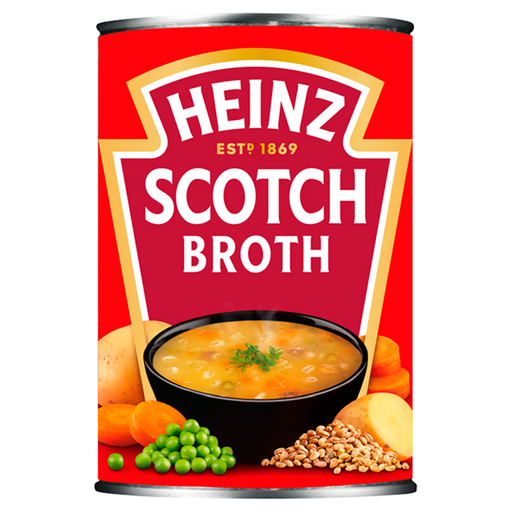 No image available
Consider this for a hot meal when you have a way to heat it. Check the current pack if barley or wheat gluten matters to you, and follow its directions for refrigerating unused soup after opening.
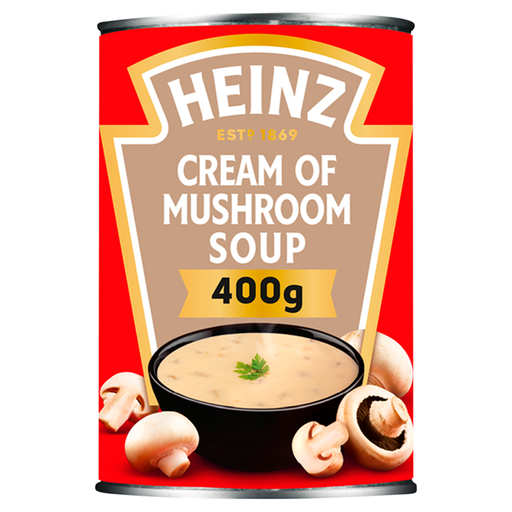 No image available
This is a choice for a meal with heating available, rather than a cold picnic course. Check the current pack for milk and wheat, and refrigerate any unused soup as directed after opening.
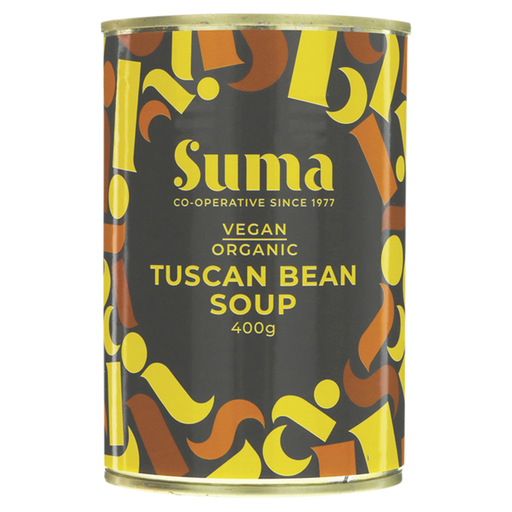 No image available
Choose a bean-based soup for a planned meal when you can prepare it according to the pack. Check its celery allergen information and follow the after-opening refrigeration directions.
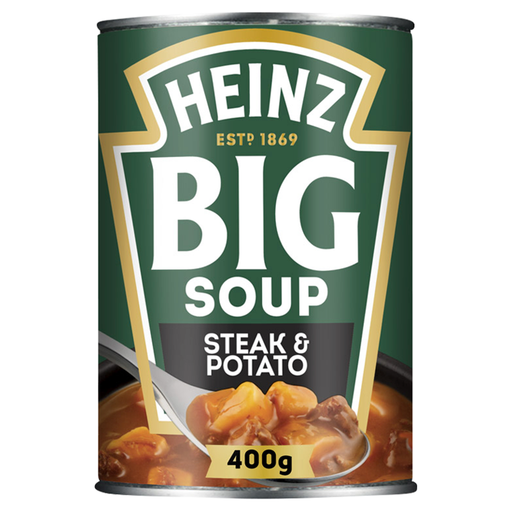 No image available
Plan to heat this steak-and-potato soup thoroughly before serving. Check the can for unopened storage directions if it will be a cupboard backup, and refrigerate unused soup as the pack directs.
 No image available
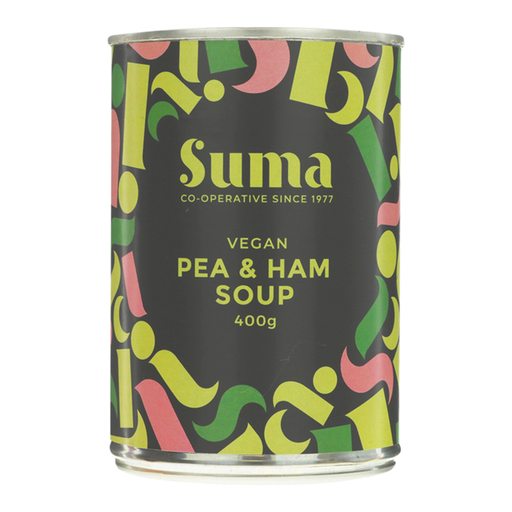
If considering this as a cupboard backup, check the pack’s serving directions before planning a meal. Its vegan-friendly wording conflicts with a declared milk allergen: do not rely on the name for vegan or milk-allergy suitability; check the current pack.
Keep it for a meal with a suitable heating plan, or as an unopened cupboard backup. Sainsbury’s describes canned soup as something to heat, while M&S describes hob and microwave preparation for its tinned soups.
Follow that tin’s label. For example, M&S instructs customers to transfer unused tomato soup to an airtight container, refrigerate it and eat it within 2 days; instructions for another product may differ.
An unopened tin stored as directed is different from prepared soup or opened leftovers. The Food Standards Agency advises keeping foods normally refrigerated at home cool on a picnic, using a cool box or cool bag with ice or frozen gel packs.
Use a filter to find candidates, then check the current pack. Sainsbury’s advises that its allergy and intolerance filters are not an alternative to checking the label, and a dietary designation does not by itself settle every allergen question.
Compare the salt figures and the portion you would serve, checking whether each label gives nutrition as sold or as prepared. Campbell’s condensed tomato soup, for example, states its per-100 g nutrition on an as-consumed basis, so the preparation basis matters when comparing it with another tin.