Shoppers planning a simple comfort dinner
An everyday 400g soup can be the starting point for a light meal. If you want more on the plate, decide whether to add a side before choosing the tin.


Choose an everyday 400g soup if you want a lighter dinner and are happy to add a side; look at chunky recipes if you want vegetables, potatoes or other meal ingredients in the bowl. Condensed soup offers a different option for cooking but needs preparation. For any tin, check the portion you plan to eat, the exact ingredients and the instructions for leftovers.
An everyday 400g soup can be the starting point for a light meal. If you want more on the plate, decide whether to add a side before choosing the tin.
If texture and recognisable meal ingredients matter, compare chunky recipes with smoother soups. Check the ingredients and stated serving size rather than assuming the name tells you how much dinner you will have.
Use vegetarian or dietary filters to narrow your choices, then read the ingredients and allergen statement on the exact tin. Sainsbury's advises shoppers not to use its allergy filters in place of checking the label.
Start with how you intend to serve the soup, then check its preparation, label and leftover instructions against that plan.
| Priority | What to check | Your needs |
|---|---|---|
| Meal format | Check whether the soup is smooth, chunky or condensed. For condensed soup, read what must be added before serving. | I want a quick, lighter bowl with a side, or a recipe with vegetables and other meal ingredients already in the soup. |
| Portions | Compare the tin size with its stated serving size. Read nutrition information for the amount you expect to eat, whether that is part or all of the tin. | Will this tin cover the dinner I am planning, and will I use any portion left over? |
| Dietary suitability | Check the exact ingredients, allergen statement and any vegetarian or plant-based wording. Confirm these on the current pack, even when a retailer filter narrows the range. | I need to know whether this particular recipe fits the ingredients I eat or must avoid. |
| Salt information | Compare salt figures on the same basis, such as per 100g, and check how many labelled servings you plan to eat. Read traffic-light labels alongside the stated portion. | If I eat the whole tin, I want to understand its salt figure for that amount rather than mistake a serving figure for a tin total. |
| Leftovers | Read the opened-pack refrigeration and use-within instructions. Plan how you will store and use any remaining soup. | When cooking for one, I want a pack size and leftover plan that fit the next meal. |
Campbell's Condensed Cream of Mushroom requires mixing with water or another stated ingredient, so it does not involve the same preparation as a ready-to-serve tin.
Check the directions and decide whether you want a bowl of soup or an ingredient for another dish.
Nutrition figures may describe a smaller portion than the amount you intend to eat.
Check the serving weight and use the label's per 100g figures to assess your planned portion.
Recipes with similar names can contain different ingredients. Sainsbury's tells shoppers to check the label rather than rely on its allergy and intolerance filters.
Read the current tin's ingredients and allergen statement, including when buying a familiar flavour again.
Storage directions apply to the particular product. Marks & Spencer's Cream of Tomato Soup, for example, says to refrigerate opened soup in an airtight container and eat it within two days.
Read your tin's instructions before opening it and plan when you will use the remainder.
An unused portion can go to waste if it is kept beyond the product's stated period.
These ranges illustrate different soup formats; the ingredients and instructions still need checking on each product.
Tesco lists everyday 400g soups alongside plant-based and chunky recipes.
Heinz offers smooth soups and Big Soup recipes for shoppers who prefer more distinct ingredients in the bowl.
Campbell's Condensed Cream of Mushroom can be prepared as soup or used in cooking.
Sainsbury's soup category includes filters that can help narrow a choice by dietary requirements.
M&S lists soups including minestrone and cream of tomato, giving shoppers different recipe styles to consider.
These options include Heinz Big Soup flavours, a vegetarian vegetable soup and a sweet potato minestrone. Choose by recipe and pack size, then check the current label for portions and dietary suitability.
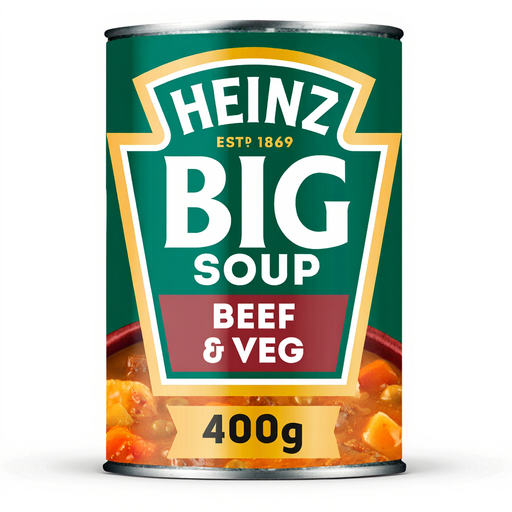 No image available
Consider this beef-and-vegetable flavour if you want a Big Soup recipe for dinner. Check the serving information on the 400g tin against the portion you plan to eat.
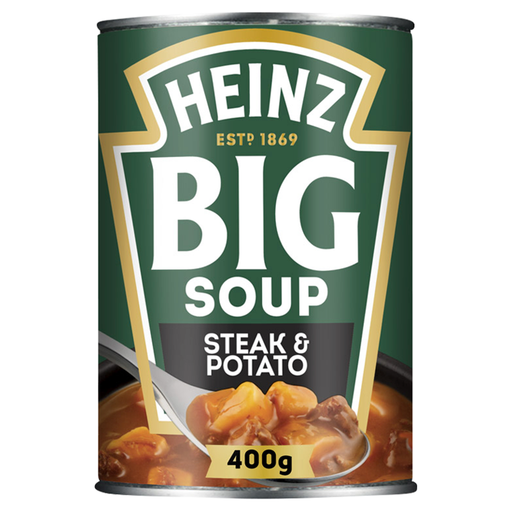 No image available
This steak-and-potato flavour is another 400g Big Soup option. Read the tin's serving and heating directions when planning it as dinner.
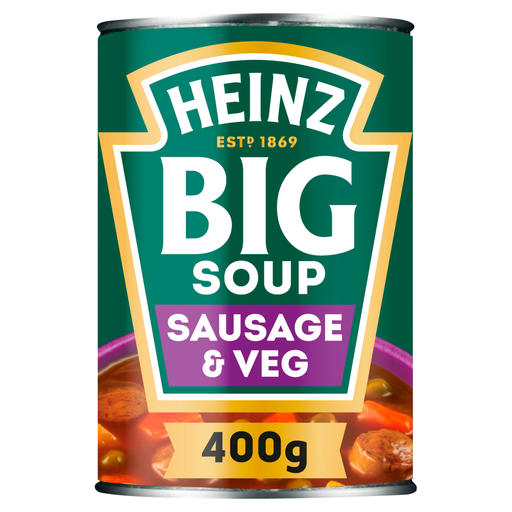 No image available
Choose this 400g sausage-and-vegetable flavour if those ingredients suit your dinner. Its listed allergen information identifies wheat, so check the current pack if you need to avoid it.
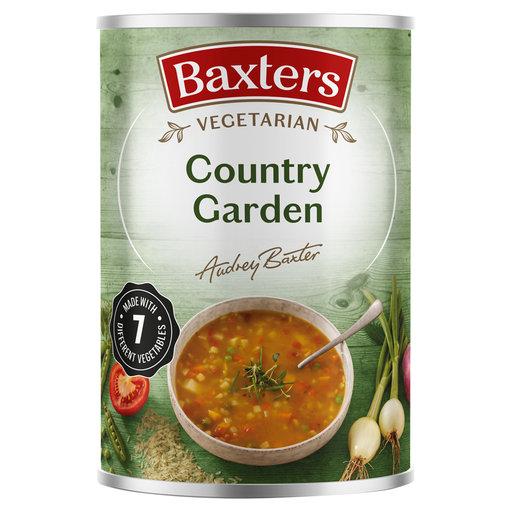 No image available
This vegetarian-labelled 400g soup offers a different recipe choice from the Big Soup flavours. Check the exact ingredients and allergen statement; its listed information identifies milk.
 No image available
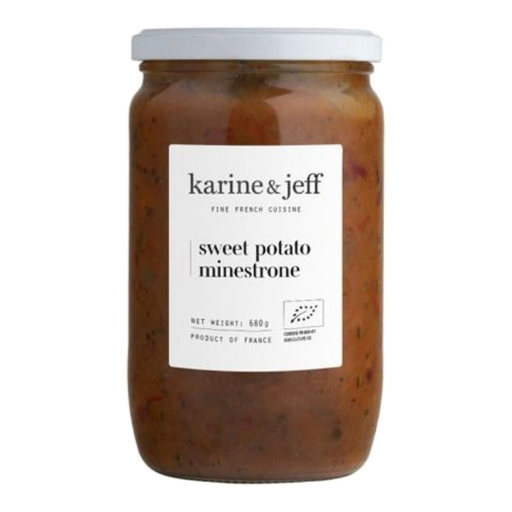
Consider this 680g sweet potato minestrone when planning a larger pack. Check how many portions you intend to serve and follow the pack's preparation and leftover instructions; its listed allergens include milk and mustard.
A 400g tin may suit a light dinner, but the right amount depends on what else you serve. Check its stated servings and consider a side or a recipe with more distinct meal ingredients if you want a different kind of dinner.
It can make a bowl of soup, but preparation differs. Campbell's Condensed Cream of Mushroom instructs you to mix it with a can of water; check the directions before choosing it for a quick dinner or using it in a recipe.
Follow the instructions on the exact product. Marks & Spencer's Cream of Tomato Soup says to put opened soup in an airtight container, refrigerate it and eat it within two days; another soup may give different directions.
No. Use them to narrow the range, then read the current tin's ingredients and allergen statement. Sainsbury's explicitly advises shoppers to check the label rather than rely on its allergy and intolerance filters.
Start with the amount you expect to eat. Compare figures given on the same basis, such as per 100g, and check whether a stated serving represents only part of the tin before reading its salt figure as your portion total.