For lunch between lectures, choose a soup you can prepare with the equipment available, then compare its label for the amount you expect to eat: a 400g can may be labelled as two servings. Vegetable, bean and meat-based recipes call for different ingredient and allergen checks, while a soup with hob instructions needs a different plan from one with microwave directions.
Who is this lunch for?
Students with a short gap between lectures
A can is practical only if there is time to use the available heating equipment and follow the soup’s preparation instructions. If you plan to use a campus microwave, check that you can bring or obtain a suitable bowl and cover.
Students buying lunch for one
Check the serving count before treating a whole can as one portion. If you intend to eat half, plan how you will store the rest according to the instructions on that can.
Students with dietary requirements
Read the current ingredients, highlighted allergens and any vegetarian statement on the exact recipe. If protein or fibre matters to your choice, compare the stated nutrition on the same portion basis rather than relying on the soup’s name.
What should you check?
Start with where and how you will heat the soup. Then check the portion you will eat and the current label for that particular recipe.
| Priority | What to check | Your needs |
|---|
| Heating |
Check the stated microwave or hob method, required dish and cover, and any stirring or standing steps. Follow the timing for the equipment specified on the pack. |
I have a short break and need a method that works with the heating facilities and bowl I can actually use. |
| Portion |
Read the serving count and nutrition basis. If you will eat the whole can, work from the full-can amount rather than assuming a half-can figure describes lunch. |
A whole can might be my lunch, or I might need to store half for later. |
| Ingredients |
Read the current ingredient and highlighted-allergen lists on the exact can. Check any vegetarian statement for that recipe; a vegetable flavour name is not enough. |
I need to know whether this specific soup fits the ingredients I eat or must avoid. |
| Nutrition |
Compare salt, protein and fibre using the same per-100g or planned-portion basis. Check the recipe as well as the can size; these figures do not predict how filling a soup will feel to you. |
If soup is my entire lunch, I want to compare what the portion contains, not just its weight. |
Common buying mistakes
-
Assuming a 400g can is one labelled serving
Sainsbury’s lists its 400g Minestrone Soup as two servings. Eating the whole can means using twice a half-can nutrition figure when assessing that lunch.
Decide how much you expect to eat, then compare the label for that amount. If you plan to keep half, check the pack’s storage directions.
-
Arriving with a can but no way to heat it
The microwave instructions reviewed for Heinz Classic Carrot and Coriander Soup call for a covered microwaveable bowl and stirring during heating, rather than heating the soup in its can.
Check campus microwave access and the instructions on your chosen soup before relying on it between lectures.
You may also need to carry a suitable bowl and cover.
-
Judging dietary suitability by the flavour name
Vegetable and minestrone are recipe descriptions, not guarantees about every ingredient or allergen. The current can label is the relevant check for the exact soup you will eat.
Read the ingredients and highlighted allergens each time you choose a different recipe or pack.
-
Expecting every 400g soup to make the same lunch
Equal can weights do not mean equal recipes or nutrition. They also do not establish how filling either soup will feel to an individual.
Compare the stated protein and fibre on the same portion basis, then consider whether you intend to eat the soup on its own.
Relevant brands and ranges
These references show why the exact recipe and pack matter more than a brand name when choosing a lecture-day lunch.
Heinz
Heinz has 400g vegetable and minestrone soups in the Tesco Groceries listings, as well as recipes with different preparation and ingredient details.
- Tesco lists its Heinz Vegetable Soup 400g as suitable for vegetarians.
- Check the current ingredients, allergens and serving count for the particular Heinz soup; those details cannot be carried across the range.
Tesco
Tesco Groceries lists own-label soups alongside branded tinned and packet options.
- The range gives shoppers more than one recipe type to check for their lunch plans.
- Use the current pack when checking ingredients, allergens and nutrition, as recipes can change.
Sainsbury’s
Sainsbury’s own-label Minestrone Soup provides a specific 400g example for checking portions.
- Its product information identifies the can as containing two servings.
- Someone eating the whole can should assess the nutrition for the whole can and check its current allergen label.
M&S
Marks & Spencer lists vegetable options as well as a chunky chicken-and-vegetable soup.
- The chunky chicken-and-vegetable product provides a meat-based recipe to compare with vegetable soups.
- The product information warns that the chunky chicken-and-vegetable soup may contain bones; check the exact recipe and allergens before choosing it.
Campbell’s
Tesco’s tinned-soup category lists Campbell’s 295g condensed cream of mushroom soup.
- The condensed format offers a different type of soup to consider.
- Check the exact pack’s preparation method before assuming it can be heated and served like a ready-to-heat soup.
Tinned soup options on Joybuy
These Joybuy listings cover several 400g soup recipes for a one-person lunch. Check each pack’s serving and heating directions against your break and the facilities available.
 No image available
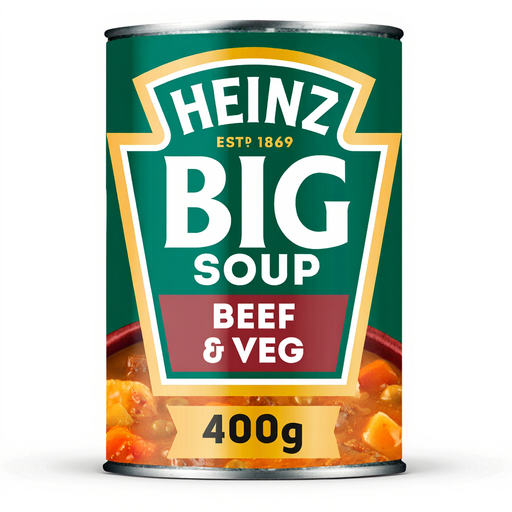
Heinz Big Soup Beef & Vegetable 400g
For a beef-and-vegetable soup at lunch, check that you can follow the covered-dish microwave directions and stir as instructed. The can is labelled as two servings, so compare nutrition for the amount you intend to eat; read the current pack for allergens.
View on Joybuy
 No image available
Heinz Cream of Mushroom Soup 400g
This mushroom soup is listed as suitable for vegetarians and has covered-bowl microwave directions. It contains milk and wheat, and its two-serving label makes the amount you plan to eat important when reading the nutrition information.
View on Joybuy
 No image available
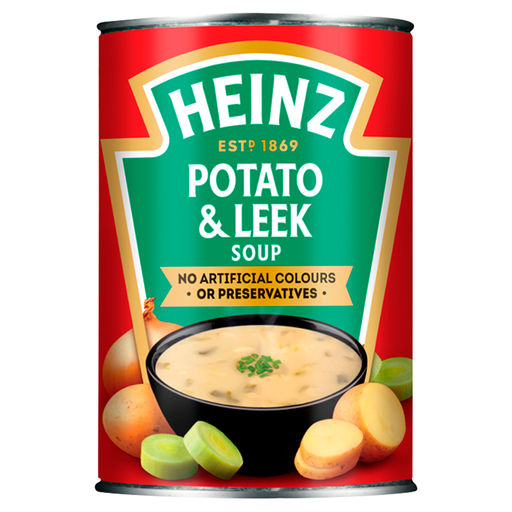
Heinz Potato & Leek Soup 400g
For a vegetarian potato-and-leek choice, check the pack’s heating directions against the facilities available between lectures. The product information identifies milk as an allergen; use the current label to assess your planned portion and dietary needs.
View on Joybuy
 No image available
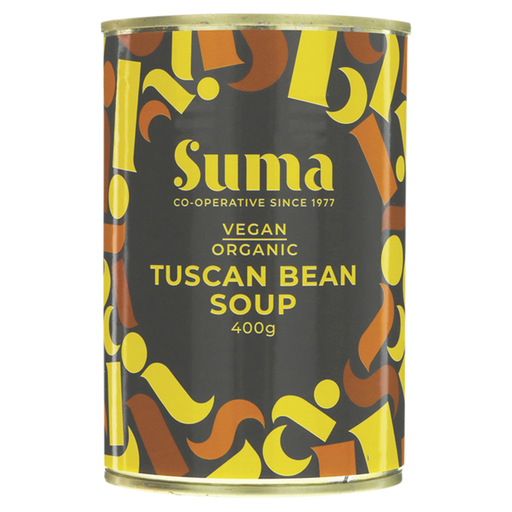
Suma Organic Tuscan Bean Soup 400g
If you want a bean-based soup, compare the pack’s nutrition for the portion you will eat. It contains celery; check its current heating directions before depending on it for a short campus break.
View on Joybuy
 No image available
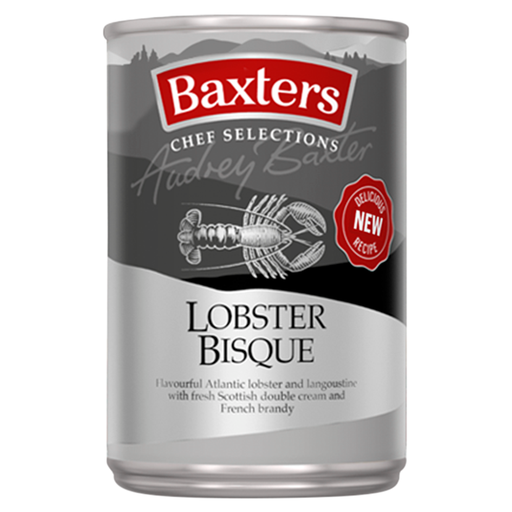
Baxters Chef’s Selection Lobster Bisque 400g
This seafood soup is listed as serving one, but the preparation directions given are for a hob. Confirm a suitable heating method before taking it to campus; the product information identifies crustaceans, milk, sulphites and celery as allergens.
View on Joybuy
Questions about lecture-day soup
Can I heat tinned soup in its can in a university microwave?
No. Empty it into a suitable microwaveable dish rather than putting the metal can in the microwave. Follow the chosen soup’s instructions for covering, stirring, heating and standing.
Is a 400g can always one serving?
No. Sainsbury’s identifies its 400g Minestrone Soup as containing two servings. Check the serving count on your chosen can and assess the nutrition for the amount you will actually eat.
How do I check whether a soup fits my diet?
Read the current label on the exact can, including its ingredients, highlighted allergens and any vegetarian statement. A name such as vegetable or minestrone does not answer those questions on its own.
What if I eat only half a can?
Follow that soup’s directions for storing the remainder after opening. Joybuy’s product information for Heinz Vegetable Soup 4 x 400g specifies refrigeration and use within two days; check the instructions on other recipes rather than assuming they have the same timeframe.


