Two adults sharing a quick lunch
If the plan is one tin and two bowls, check that the product specifies two servings or gives nutrition for a half-can portion. A 400g weight alone does not settle how the manufacturer intends it to be served.


Start with the serving count, not the size of the tin: some 400g tomato soups specify two half-can portions, while ASDA’s Tomato & Three Bean Soup specifies one serving per can. For two lunches, compare the salt, fibre and protein in the amount each person will eat; a bean soup offers a different portion and ingredient mix, but may mean opening two cans rather than sharing one.
The useful portion is the amount each person will actually eat, which may differ from the serving suggested on the tin.
If the plan is one tin and two bowls, check that the product specifies two servings or gives nutrition for a half-can portion. A 400g weight alone does not settle how the manufacturer intends it to be served.
Use salt per 100g to compare products, then look at the salt in the portion each person will eat. Front-of-pack wording about fat or sugar answers a different question.
Choose by the ingredient and allergen statement for the exact tin, particularly if either diner needs to avoid an ingredient. A vegetable flavour name is not a substitute for a vegetarian statement or an allergen check.
Decide whether the soup is being shared, served one can each or used in a recipe. Then compare the nutrition for the portions you intend to serve.
Choose when: The tin states two servings or provides figures for half a can, as Tesco Low Fat Tomato Soup does.
Bear in mind: Two equal bowls may call for another food alongside the soup if it is intended to be the whole lunch.
Choose when: Both diners want a full can of a soup labelled as one serving, such as ASDA Tomato & Three Bean Soup.
Bear in mind: Two of those cans provide 2g salt in total according to ASDA’s listed 1g per can; compare the amount eaten by each diner with a shared-tin option.
Choose when: Soup is an ingredient in a planned dish rather than two ready-to-heat bowls.
Bear in mind: The other ingredients and the number of finished portions change what each diner eats; check the condensed soup’s allergens as well.
| Priority | What to check | Your needs |
|---|---|---|
| Servings | Read the stated serving count and portion weight. Check whether the nutrition figures describe half a can, a whole can or 100g. | I want to know whether one tin makes the two bowls I am planning, rather than assuming every 400g soup is intended for two. |
| Salt | Compare salt per 100g on the same basis, then use the label’s portion figure or calculate the amount in each diner’s share. The NHS advises adults to have no more than 6g of salt a day. | If soup is a regular lunch, I need the salt figure for the bowl I will eat—not just a claim about fat, sugar or a product range. |
| Fibre and protein | Read both values for the amount being served and check the ingredients for beans, peas or lentils. The NHS Eatwell Guide identifies pulses as sources of fibre and protein. | When soup is the whole lunch, I want to compare what is in my portion and decide whether to serve something alongside it. |
| Ingredients and allergens | Read the current tin’s ingredients, allergen statement and any stated vegetarian suitability. Check the exact variant rather than relying on its flavour name. | Either diner may need to avoid a particular ingredient, so the product we buy must suit both of us. |
| Preparation and leftovers | Check the heating directions and the instructions for storage after opening. Plan around the amount you expect to serve immediately. | We may not finish an opened tin at once, so I need to know how the purchased product says to store the remainder. |
ASDA labels its 400g Tomato & Three Bean Soup as one serving, whereas several 400g tomato soups give half-can portions. Dividing either tin in half produces two bowls, but not necessarily the portions described on its label.
Check the declared servings and work out the nutrition for the amount each person intends to eat.
If both diners want a full serving of a one-serving soup, plan for two tins.
Those descriptions do not tell you how much salt is in a bowl. Tesco Low Fat Tomato Soup, for example, lists 0.69g salt for its half-can portion, according to Tesco Groceries.
Compare the salt line per 100g, then check the figure for the portion you will serve.
A smooth tomato soup and a bean soup have different stated portion sizes and ingredients. Tesco lists 1.3g protein per half-can of its Low Fat Tomato Soup; ASDA lists 7.6g protein and 7.2g fibre for a full can of its Tomato & Three Bean Soup. Those are different amounts of soup, not a like-for-like nutrient comparison.
Compare the amount each person will eat and decide whether the rest of the lunch needs planning separately.
Allergen suitability depends on the exact product and recipe. Campbell’s Soup UK identifies wheat gluten and cow’s milk in its Cream of Chicken Condensed Soup.
Read the purchased tin’s ingredient, allergen and storage instructions before serving it.
These examples show why the exact soup and its stated portion matter more than the brand name alone; they do not indicate which products are available on Joybuy.
Its No Added Sugar Cream of Tomato is a 400g example with nutrition stated for half a can.
Its condensed soups offer an option when soup is being used in cooking rather than simply divided into two bowls.
Tesco Low Fat Tomato Soup 400g gives a half-can basis for planning two equal portions.
Its Cream of Tomato Soup 400g is stated to contain two servings.
The stated portions differ between its Cream of Tomato and Tomato & Three Bean soups.
M&S Chunky Vegetable Soup includes vegetables and split peas among its listed ingredients.
These 400g tinned soups offer mushroom, bean and vegetable choices for a lunch for two. Check each tin’s stated servings before deciding whether to share one can or serve more.
 Image unavailable
A mushroom soup to consider when planning two bowls from a 400g tin. Check the current label for its serving count, salt per portion and allergens before making it lunch for both diners.
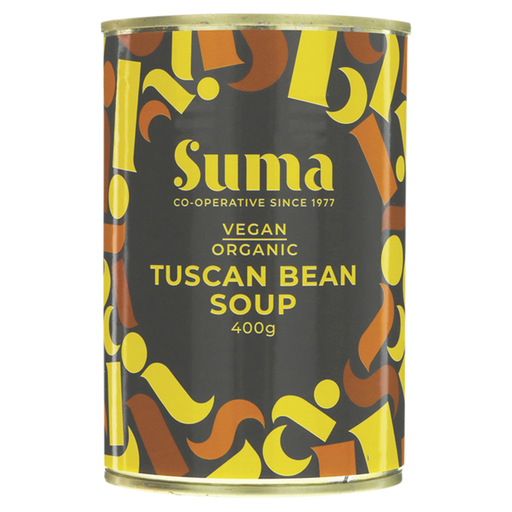 Image unavailable
A bean soup to compare with smooth varieties when choosing the ingredients for lunch. Check the tin’s serving count and nutrition for the amount each person would eat; do not assume that one 400g can is intended as two servings.
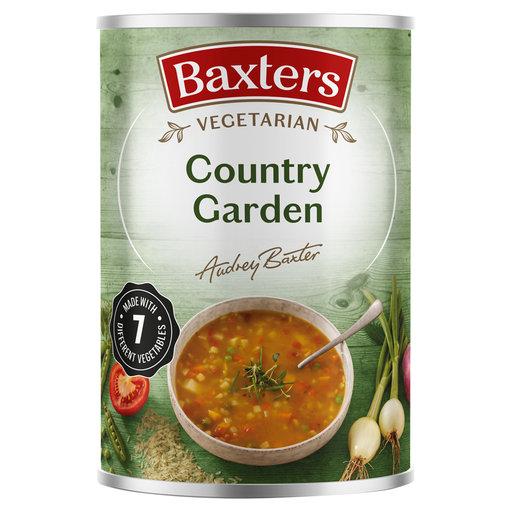 Image unavailable
A vegetarian vegetable-soup option in a 400g tin. Check the stated servings before dividing it between two people, and read the current allergen statement for either diner’s requirements.
It can make two bowls, but check whether the product actually states two servings and whether those bowls suit your lunch plan. Tesco Low Fat Tomato and Sainsbury’s Cream of Tomato give half-can portions, while ASDA labels its Tomato & Three Bean Soup as one serving per 400g can.
Start with the serving size and salt per 100g, then check salt, fibre and protein for the amount each person will eat. The NHS explains that nutrition information is given per 100g and sometimes per portion; a “low fat” or “no added sugar” description does not state the salt amount.
Share a tomato soup when its stated portions match the two bowls you want; consider one bean soup each when the chosen product is labelled as a single serving and you want those ingredients. ASDA lists one serving, 7.2g fibre, 7.6g protein and 1g salt per can for its Tomato & Three Bean Soup, so two full-can servings mean two cans and 2g salt between the diners.
Read the ingredient and allergen statement on the exact tin before serving it. Do not infer suitability from a tomato, vegetable or chicken flavour name: Campbell’s Soup UK, for example, identifies wheat gluten and cow’s milk in its Cream of Chicken Condensed Soup.
Follow the purchased tin’s instructions for storage after opening, including its stated time limit, and plan the portions around the amount you intend to serve. Storage directions can differ between products.