Students with a microwave or kitchenette
A ready-to-heat tin can fit a short break when you have somewhere suitable to heat it. Compare the nutrition for the amount you intend to eat, and check whether you will need a bowl or pan.


For a lunch between lectures, choose a ready-to-heat tin if you have access to a microwave or hob and little time to prepare it; condensed soup needs liquid added before heating. If you expect the soup to be the main part of lunch, compare the whole tin’s protein and fibre rather than relying on a chunky or creamy description. Check the salt, ingredients and allergens for the portion you will eat.
A ready-to-heat tin can fit a short break when you have somewhere suitable to heat it. Compare the nutrition for the amount you intend to eat, and check whether you will need a bowl or pan.
Look for a clear dietary statement and check the ingredients of each recipe. Beans, lentils or pasta may be useful ingredients to look for when comparing soups as the main part of lunch, but the dietary label and nutrition figures are product-specific.
Read the current pack before eating: soups in this category can contain milk, wheat, celery or egg. For salt comparisons, use the amount in the portion you will eat rather than only the per-100 g figure.
Start with the time and facilities available between lectures, then compare the portion, nutrition and ingredient information on tins that fit.
| Priority | What to check | Your needs |
|---|---|---|
| Preparation | Check whether the soup is ready to heat or needs dilution. Read its heating instructions and check that you have the required equipment and time. | I have only a short break and need a preparation method I can manage on campus. |
| Portion and ingredients | Compare the tin size with the portion you will eat. Read protein and fibre figures on the same basis, and look at ingredients rather than assuming every chunky soup has similar nutrition. | If soup is the main part of my lunch, I want to know what the whole portion contains before deciding whether to bring another food. |
| Salt and labels | Check salt per 100 g and calculate it for your portion. If a traffic-light label is present, use it alongside the nutrition information rather than treating it as a portion-size measure. | I want to compare the salt in the amount I will eat. In the Food Standards Agency and Ipsos Northern Ireland’s 2023 survey of 601 adults in Northern Ireland, 43% said they actively used traffic-light labelling when shopping for food; that figure does not describe soup buyers specifically. |
| Dietary suitability | Check the current vegetarian or vegan statement, full ingredient list, allergen declarations and any precautionary wording on the pack. | A vegetable or tomato flavour alone does not tell me whether a soup fits my dietary requirements or avoids an allergen relevant to me. |
Recipes differ. Marks & Spencer lists 1.2 g protein and 0.9 g fibre per 100 g for its Cream of Tomato Soup, compared with 3.5 g protein per 100 g for its Chunky Chicken and Vegetable Soup.
Compare the figures for the full portion you plan to eat. If a particular soup does not meet what you want from lunch, consider bringing another food that suits your needs.
Marks & Spencer lists 0.45 g salt per 100 g for its Minestrone Soup: a 400 g tin contains about 1.8 g. The NHS advises adults to have no more than 6 g of salt a day in total.
Work from the amount you will actually eat, then consider the salt in your other food that day.
Marks & Spencer’s Cream of Tomato Soup contains milk ingredients, while Campbell’s Cream of Chicken Condensed Soup contains wheat and milk and may contain egg. A flavour name is not an allergen check.
Use dietary descriptions to narrow your choices, then read the current physical pack’s ingredients, allergens and precautionary statements.
Campbell’s instructions for its Cream of Chicken Condensed Soup call for liquid to be added before heating. That is an extra step when time or facilities are limited.
Check the tin’s directions and whether you will have water, suitable equipment and enough time. If not, consider a ready-to-heat soup or another lunch format.
These range descriptions can help narrow the format or recipe you want; ingredients and nutrition still need checking on the individual tin.
The Marks & Spencer tinned-soup range includes meat and vegetable recipes, including options labelled vegetarian or vegan.
Heinz is listed in UK tinned-soup ranges with classic and chunky recipe formats.
Campbell’s Cream of Chicken is a condensed soup that can also be used as a cooking ingredient.
Tesco’s tinned-soup category includes own-label options alongside other brands and lists everyday, chunky, plant-based and condensed formats.
These tins offer bean, vegetable and creamy soup choices for a cupboard lunch. Check each product’s preparation directions and current pack before relying on it for a break between lectures.
 No image available
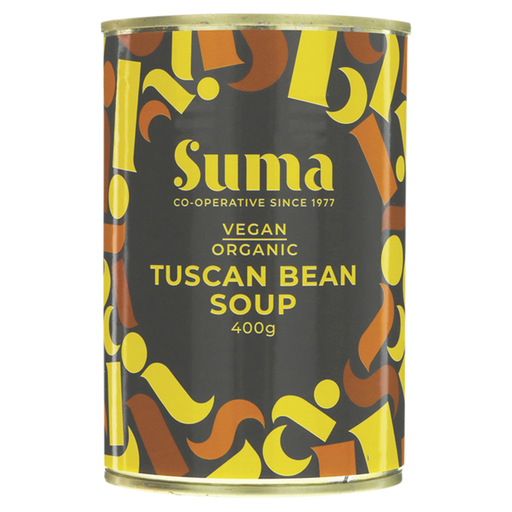
A bean-soup option for a cupboard lunch when you can heat it. It contains celery; check the current pack’s allergens and nutrition for the portion you intend to eat.
 No image available
A creamy soup option if you can heat lunch on a hob or in a microwave. The tin is stated to contain two servings and contains milk and wheat; compare nutrition for the portion you will eat.
 No image available
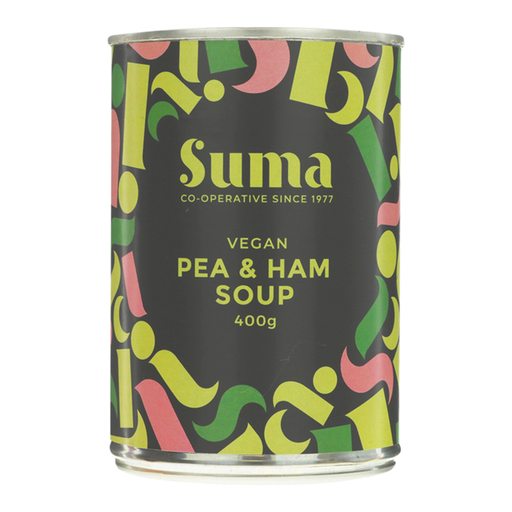
A pea-soup option for a cupboard lunch. Despite “Vegan Ham” in the name, its allergen declaration lists milk; check the current pack before choosing it for a vegan diet or milk allergy. Confirm the heating directions if time between lectures is limited.
 No image available
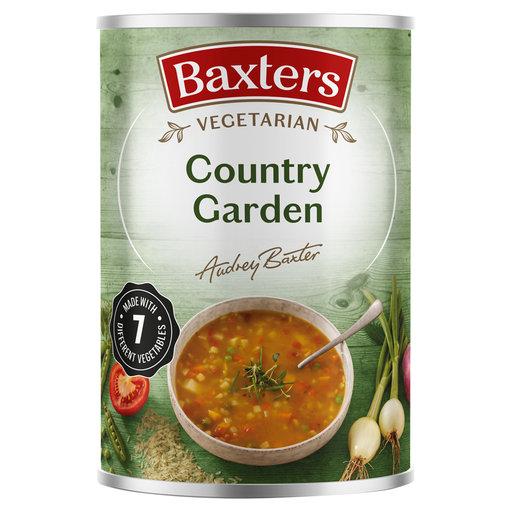
A vegetarian vegetable-and-rice soup to consider for a cupboard lunch. It contains milk; read the current pack for dietary details, and check its preparation directions against the facilities available on campus.
No image available
A parsnip-and-carrot soup to consider when you can heat lunch. It contains celery, milk and wheat; compare the nutrition for your portion and decide whether you want another food alongside it.
The tin’s size alone cannot tell you how it will fit your lunch. Compare the recipe and whole-tin nutrition: Marks & Spencer lists about 8.4 g protein and 6.4 g fibre per 400 g tin for its Minestrone Soup, and about 14 g protein per 400 g tin for its Chunky Chicken and Vegetable Soup. Consider another food if the soup alone does not meet what you want from lunch.
Ready-to-heat soup has fewer preparation steps when your break is short. Choose condensed soup if you can add the required liquid and heat it: Campbell’s instructions for its Cream of Chicken Condensed Soup call for water or a water-and-milk mix before heating.
Multiply the per-100 g salt figure by the amount you will eat. A 400 g tin containing 0.45 g salt per 100 g provides about 1.8 g in total. The NHS advises adults to have no more than 6 g of salt a day overall; follow any individual advice you have been given.
Use it to narrow your choices, then check the current physical pack before eating. Recipes and product information can change, and the soups discussed here have different milk, wheat, celery and egg declarations. Check the specific product against the allergens relevant to you.
Follow that product’s storage instructions rather than assuming every tin has the same directions. The Joybuy listing for Campbell’s Condensed Cream of Chicken Soup 295g says to transfer leftovers to a suitable covered container, refrigerate them and use them within two days.