Families making a quick dinner for a 1- to 3-year-old
A tin from the cupboard can form part of dinner, but the child’s portion, salt intake and other foods served with it still matter. The NHS sets a maximum of 2g salt a day for this age group.


Tinned soup can be part of a toddler dinner, but choose the particular tin and portion rather than assuming an adult soup makes a complete meal. For a child aged 1 to 3, compare its salt contribution with the NHS maximum of 2g salt a day, check the current pack for ingredients and allergens, and serve it with other suitable foods in a texture the child can manage.
A tin from the cupboard can form part of dinner, but the child’s portion, salt intake and other foods served with it still matter. The NHS sets a maximum of 2g salt a day for this age group.
Check the ingredients and allergen information on the exact tin before serving. Tesco Groceries warns that recipes and product information can change, so a familiar flavour or an earlier purchase is not enough to go by.
A reduced-salt label gives you a reason to compare a soup with other tins, not a decision about the child’s portion. Read the current salt figure and consider the child’s food across the day.
Start with the portion you plan to serve, then compare labels on that basis. A soup’s name or front-of-pack claim cannot answer every question about the meal.
| Priority | What to check | Your needs |
|---|---|---|
| Salt | Read salt per 100g and, where given, per serving. Work out what the child’s planned portion contributes; compare standard and reduced-salt tins using the same portion. | I need to account for soup alongside the child’s other food that day. The NHS maximum for ages 1 to 3 is 2g salt a day, not 2g for dinner. |
| Nutrition label | Compare otherwise similar tins on the same per-100g or per-serving basis. GOV.UK says traffic-light labels, where present, help compare salt, sugars, fat and calories. | A front-of-pack description is not enough for me to compare two soups; I want to read the nutrition declaration as well. |
| Ingredients | Read the current ingredient list and emphasised allergens for the exact variant. Do not infer ingredients from a flavour name or an older retailer listing. | If my child has an allergy or intolerance, the particular tin I serve must fit their dietary requirements. |
| Texture | Look at whether the soup is smooth or contains pieces, then prepare and serve it in a texture the child can manage. Department for Education guidance for early-years providers in England calls for preparation that minimises choking risk. | My child’s established eating skills matter more than whether the tin is described as a family meal. |
| Whole dinner | Decide on the child’s portion and what other suitable foods will accompany it. Do not assume one adult-sized tin provides a complete toddler dinner. | I want a quick meal without relying on the soup alone to make up everything served. |
Packaged foods can contribute to a child’s daily salt intake. The NHS sets a maximum of 2g salt a day for children aged 1 to 3.
Check the current salt figure and the amount you intend to serve before comparing tins.
The claim does not tell you the salt in the child’s portion or whether the ingredients and texture suit them.
Use it as a starting point for comparison, then read the full label and plan the rest of dinner.
Tesco Groceries warns that ingredients, nutrition information and allergens can change when products are reformulated.
Check the physical tin’s ingredient list, allergens and preparation instructions before serving.
A tin’s size does not establish an appropriate portion or texture for a toddler.
Choose an amount the child can manage and serve it with other suitable foods from their established diet.
Tesco Groceries has listed Heinz tinned soups, including a Heinz Balance 25% Less Salt Vegetable Soup variant.
Tesco Groceries search results listed Campbell's condensed cream of chicken, mushroom and tomato soups.
Tesco Groceries lists tinned soups from more than one brand, making it a place to identify variants for comparison.
Asda Groceries has listed Just Essentials by Asda Tomato Soup and a Heinz Balance reduced-salt vegetable soup.
The Marks & Spencer tinned-soup range page includes tomato, chicken, minestrone and chunky vegetable styles.
These 400g soups are options to consider when planning soup as part of a toddler dinner. Check the current pack and the portion you intend to serve before deciding whether either fits the child’s meal.
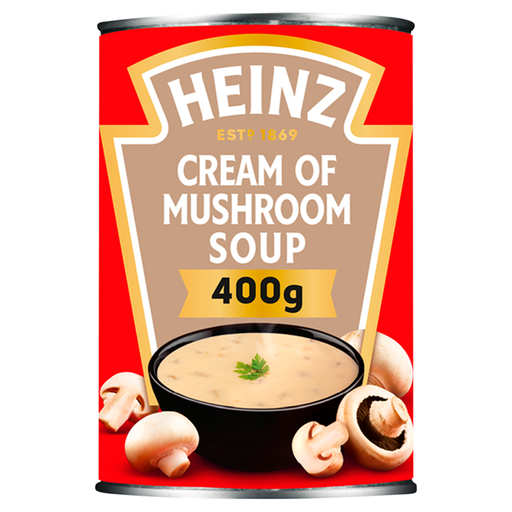 Image unavailable
For a toddler dinner, decide on the child’s portion and check its salt contribution against the rest of the day’s food. Read the current ingredients and allergens, and check that the texture, including any mushroom pieces, can be served appropriately.
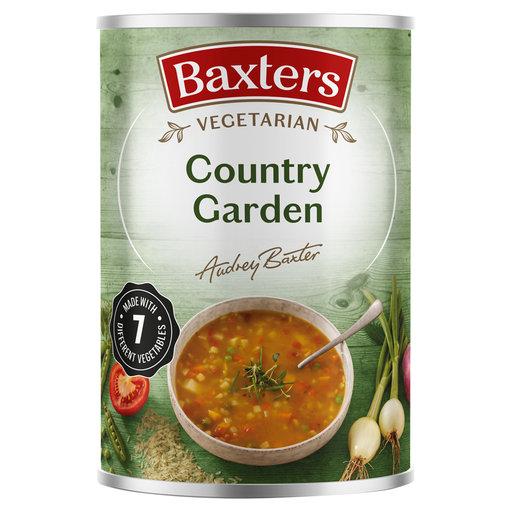 Image unavailable
If serving this vegetable soup as part of dinner, check salt for the child’s intended portion and choose suitable foods to serve alongside it. Read the exact tin’s ingredients and allergens, and assess its texture before serving.
Tinned soup can be one part of dinner if the particular product and portion suit the child. Check its salt, ingredients, allergens and texture, and serve other suitable foods rather than assuming the soup alone makes a complete meal.
The NHS sets a maximum of 2g salt a day for children aged 1 to 3; that is a daily figure, not an allowance for one meal. Read the soup’s label, decide how much the child will have and account for their other food that day.
No. Compare the salt in the planned portion and check the current ingredients, allergens and texture as well. “Reduced salt” on its own does not answer whether that tin fits a particular child’s dinner.
Read the full ingredient and allergen information on the exact tin each time. Tesco Groceries warns that product information can change, so do not rely only on the flavour name, an earlier purchase or an online listing.
Choose and prepare a texture the child can already manage; a soup sold as a family meal is not automatically suitable. Department for Education guidance for early-years providers in England says food should be prepared appropriately to minimise choking risk.