
24/7 Customer Support

Free returns

Same-day & Next-day Delivery

Quality Guaranteed

Unlock Your Welcome Offers: FREE Delivery | Up to 80% OFF | Free 30-day JoyPlus trial
Download the APP
A well-stocked pantry with a selection of tinned soup is a cornerstone of convenient British home life. It’s the go-to for a warming lunch on a dreary day, a quick meal after a long commute or a simple starter for a family dinner. However, when you decide to buy soup online, the sheer variety can be overwhelming, and it's easy to fall into common purchasing traps that lead to disappointment.
As the Joybuy Product Recommendation Officer, my role is to help you navigate the options. Let's look past the appealing labels and identify the key factors that separate a satisfying, flavourful soup from a cupboard regret.
chunky vegetable soup can be compelling, but these terms are not standardised. It's a common frustration to open a tin expecting a thick, substantial meal, only to find a watery broth with a few sparse pieces of vegetables. The reality often doesn't match the picture on the can.instant cup a soup offers unmatched speed, but this convenience can come at a cost. These products often rely more on starches, powders and flavourings to create their texture and taste, which may not provide the same satisfaction or nutritional profile as a traditional tinned soup.To ensure you get what you're paying for, focus on these three practical checks before adding a soup to your basket.
The single most important tool at your disposal is the nutritional information panel. To make a fair comparison between different products, always look at the per 100g column, not the 'per serving' value, as serving sizes can vary wildly.
Not all tins are created equal. It's crucial to know whether you're buying a soup that's ready to heat and eat or one that needs further preparation.
quick lunch ideas.cream of mushroom soup, is a concentrated base that must be diluted, usually with a can of water or milk. While it requires an extra step, condensed soup for cooking is incredibly versatile and acts as a fantastic shortcut for making creamy sauces, casseroles and pie fillings.The ingredients are listed in order of quantity, from highest to lowest. This is a simple but powerful way to gauge the quality of a soup. If you're buying a Baxters vegetarian soup with a "Carrot & Butterbean" flavour, you should expect to see carrots and butter beans listed near the very top. If the primary ingredients are water, starch and flavourings, you're likely getting a less substantial product.
To help you choose, we've matched a few standout options to different needs and lifestyles, explaining how they address the common pitfalls.
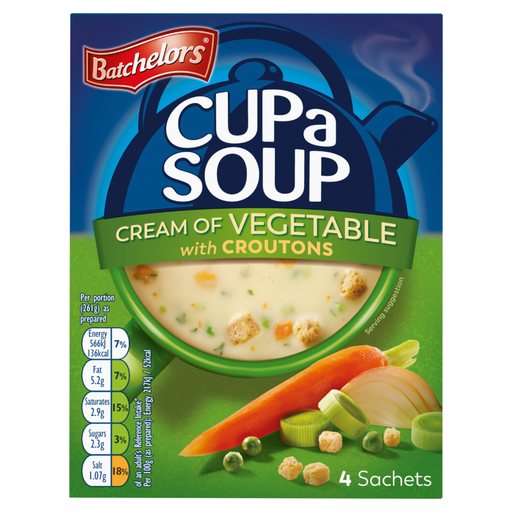
Why This Fits Their Persona: For the busy professional or student, this is the ultimate in convenience. It requires only a kettle and a mug, making it perfect for an office desk, a work site or student accommodation.
It neatly sidesteps the "convenience vs. substance" trade-off by being exactly what it claims to be: an instant cup a soup. It doesn't pretend to be a hearty meal, managing expectations perfectly.
Preparation time is just one minute. The individual sachets ensure portion control and no food waste.
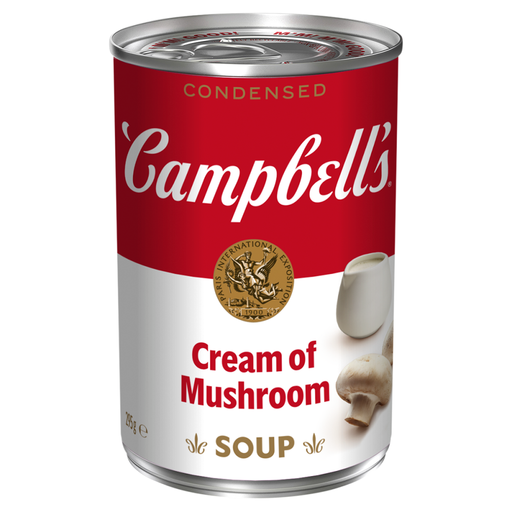
Why This Fits Their Persona: This is a must-have for anyone who stocks their pantry for home cooking. It's a dual-purpose hero: a quick soup when diluted or a rich, creamy base for countless British classics like chicken and mushroom pie or a beef casserole.
It is clearly labelled as a condensed soup for cooking, so it avoids the "watery gamble." The user is in full control of the final consistency, whether they add milk for a creamier soup or use it straight from the can in a recipe.
Extremely versatile, saving time and effort in the kitchen. Its long shelf life makes it a reliable pantry staple.
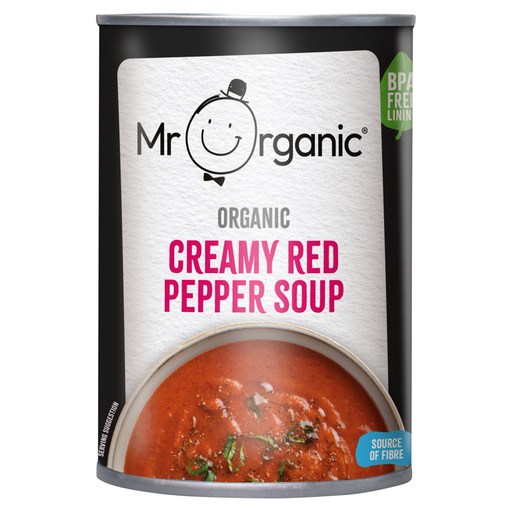
Why This Fits Their Persona: This soup is an excellent choice for those prioritising clean eating, plant-based diets or simply looking for ingredients they can trust. It's crafted with a focus on natural, wholesome contents.
It directly counters the "healthy choice illusion" by being a certified organic soup with no added sugar. The ingredient list is transparent and focuses on vegetables like tomatoes and red peppers.
It is a source of fibre, counts as one of your five a day and is made with 100% organic ingredients in a BPA-free tin.
We have compiled a complete, real-time list of products that fully satisfy these strict selection criteria and UK safety regulations.
It certainly can be part of a healthy, balanced diet. The key is to be selective. Look for soups with a high vegetable content, lower salt and sugar figures (always check the 'per 100g' values) and a recognisable ingredient list. Options that are organic, gluten-free or have no added preservatives can be excellent choices for a nutritious and convenient meal.
Once a can of soup is opened, any unused portion should be transferred to a non-metallic, airtight container. It should then be stored in the fridge and consumed within two days. This is a general food safety guideline to ensure freshness and prevent spoilage.
While many ready-to-serve soups can be incorporated into recipes, condensed soups are specifically designed for this purpose. Using a condensed cream of mushroom soup or cream of chicken soup will give you a richer, more reliable base for sauces and bakes than a diluted ready-to-eat soup would.