Cooks preparing a roast
A ready-to-heat soup can be a meal or starter while other dishes are cooking. Check the portion you plan to eat if you also want bread or part of the roast later.


For a quick meal while preparing a roast, compare calories for the amount of soup you will eat, not just the serving shown on the label. The 400g cans compared using Tesco Groceries and Marks & Spencer product information range from 122 to 204 kcal for a whole can, before bread or toppings; ingredients, salt and leftover instructions may change which one suits you.
A ready-to-heat soup can be a meal or starter while other dishes are cooking. Check the portion you plan to eat if you also want bread or part of the roast later.
A 400g can may show nutrition for a 200g serving. Compare the full-can figure if you intend to eat it all.
Vegetarian requirements and ingredients such as milk, wheat or celery can affect the choice independently of calories.
Start with the portion and anything you plan to add, then check salt, ingredients and preparation instructions for the exact soup.
| Priority | What to check | Your needs |
|---|---|---|
| Portion calories | Match the stated kcal to the serving size and can size. Tesco Groceries lists 61 kcal per 200g for its 400g Low Fat Tomato Soup, making 122 kcal for the can; count additions separately. | I may eat the whole can while cooking, then have bread or other food later. |
| Salt | Compare salt for the portion you will eat, not just per 100g. Tesco Groceries lists 0.69g per 200g serving for Tesco Low Fat Tomato Soup; the NHS states a maximum of 6g salt a day for adults. | If gravy, stuffing or other salty foods are on the menu, I want to account for the soup as well. |
| Ingredients | Read the current ingredient and allergen declaration. Tesco Groceries identifies wheat in Heinz Vegetable Soup; check each tomato or vegetable soup rather than relying on its flavour name. | Milk, wheat or other ingredients may rule out a soup for me, even when its calorie total fits. |
| Preparation and leftovers | Check the heating method and the exact pack’s opened-storage directions. Tesco Groceries says to refrigerate unused Tesco Low Fat Tomato Soup in a covered non-metallic container and consume it within 4 days. | I want a preparation method that works alongside the roast and clear instructions if I leave some soup for another day. |
Several 400g soups show calories for a 200g serving, so eating the entire can means eating two listed servings. Bread and toppings add to the meal total.
Check the label’s serving basis: double a half-can figure for a whole 400g can, or multiply a per-100g figure by four.
Calories and salt are separate label values. Tesco Groceries lists 0.69g salt per 200g serving for Tesco Low Fat Tomato Soup, while the NHS states that adults should have no more than 6g a day.
Compare salt for your intended portion, particularly if gravy, stock or seasoned accompaniments are part of the roast.
A vegetable flavour does not settle allergen suitability: Tesco Groceries lists wheat-containing pasta in Heinz Vegetable Soup. Chicken-and-vegetable soup is not a vegetarian choice.
Read the current pack’s ingredients and allergen statement before choosing for a dietary restriction.
Opened-pack periods differ. Tesco Groceries gives 4 days for Tesco Low Fat Tomato Soup, while Marks & Spencer gives 2 days for its Chunky Chicken and Vegetable Soup.
Follow the storage container, refrigeration and consume-within instructions on the soup you open.
Tesco Groceries lists Heinz Cream of Tomato and Vegetable soups in 400g cans.
Tesco Groceries lists a 400g Low Fat Tomato Soup with nutrition stated per 200g serving.
Marks & Spencer lists a 400g Chunky Chicken and Vegetable Soup containing chicken, vegetables and pearl barley.
Sainsbury's tinned-soup category includes own-label products and dietary filters.
Sainsbury's lists a 295g Campbell's Condensed Cream of Chicken Soup, a different format from a ready-to-heat 400g can.
These soup options offer different pack sizes and flavours to consider for a meal during roast preparation. If you specifically need a tin, confirm the packaging format before buying.
 No image available
For soup while the roast cooks, compare the label’s calories with the amount of this 400g pack you plan to eat. Check its milk and wheat ingredients, and confirm the packaging format if a tin is essential.
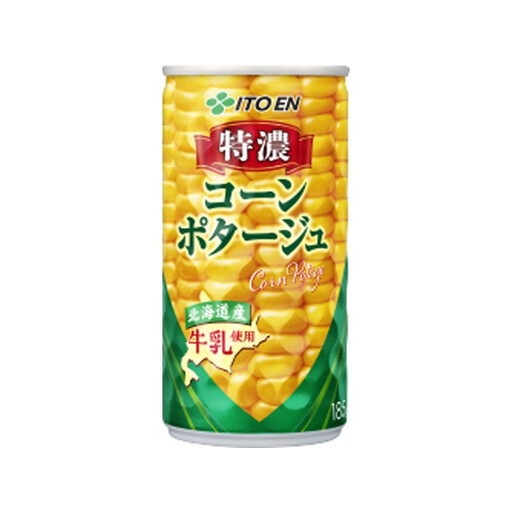 No image available
The 185g pack is a different portion size from the 400g examples, so compare calories for the amount you intend to have. Check the pack’s heating directions and ingredients, including milk and chicken-bouillon flavouring; check its current nutrition table before relying on the sugars and carbohydrate figures.
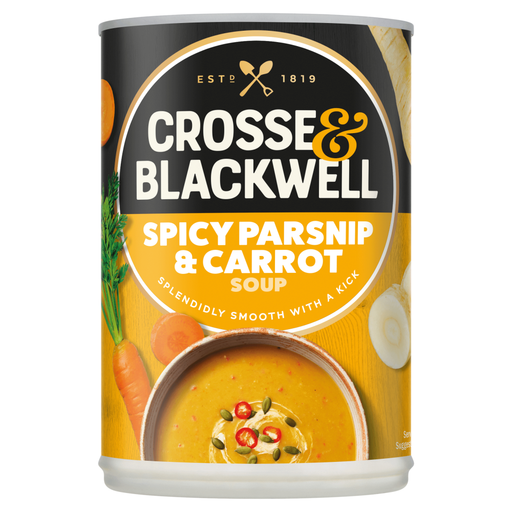 No image available
For this 400g vegetable-based soup, check whole-pack calories and salt alongside anything else you plan to eat. Check its celery, milk and wheat ingredients, and confirm the packaging format and leftover instructions on the pack.
For the four 400g examples compared here, yes: Tesco Groceries lists figures equivalent to 122 kcal for Tesco Low Fat Tomato, 188 kcal for Heinz Vegetable and 204 kcal for Heinz Cream of Tomato; Marks & Spencer lists figures equivalent to approximately 176 kcal for its Chunky Chicken and Vegetable Soup. Check the current can and count bread, butter or toppings separately if the whole meal must stay under 500 kcal.
A calorie figure does not establish its salt content. The NHS states that adults should have no more than 6g of salt a day; compare the soup’s salt for the portion you will eat alongside any gravy, stuffing or other seasoned foods.
Follow that product’s container, refrigeration and consume-within instructions. Tesco Groceries says to transfer unused Tesco Low Fat Tomato Soup to a covered non-metallic container, refrigerate it and consume it within 4 days; Marks & Spencer gives 2 days for its Chunky Chicken and Vegetable Soup.
No. Check the current ingredients and allergen declaration for the exact can. Tesco Groceries lists wheat-containing pasta in Heinz Vegetable Soup and milk ingredients in Tesco Low Fat Tomato Soup; a flavour name alone does not establish dietary suitability.
GOV.UK explains that a best-before date concerns quality: food is usually safe after that date, but its quality may decline. Follow the product’s storage directions, including its separate instructions once opened.