What should you check?
Start with the portion the person will eat, then check whether its protein, salt, ingredients and prepared texture fit their circumstances.
| Priority | What to check | Your needs |
|---|
| Energy and protein |
Check servings per can and calculate energy and protein for the amount eaten. For condensed soup, account for milk or other additions to the prepared bowl. |
I want a convenient meal, but I do not want a low calorie figure to obscure how little protein a portion provides. If appetite is poor or weight is falling, I need advice that takes overall intake into account. |
| Salt |
Compare salt for the portion eaten, not just per 100g. The NHS general adult maximum is 6g salt a day; an individual prescribed limit may differ. |
A whole can may be my meal, so its full salt total matters alongside what else is eaten that day. If I am following a prescribed limit, I need to use that limit. |
| Swallowing texture |
Check any prescribed IDDSI level and assess the prepared soup at serving temperature as advised. Visible pieces and smooth appearance alone do not establish suitability. |
If I am buying for someone with dysphagia, the soup must match their clinician-recommended level rather than simply look easy to swallow. |
| Ingredients and preparation |
Read the current can for allergens, serving size and preparation directions. If the soup is condensed, check the finished portion after dilution. |
I need ingredients that fit the eater’s requirements and nutrition figures that describe the bowl I will serve, particularly if milk or another ingredient is added. |
Relevant brand and retailer references
These references help distinguish ready-to-heat soup from condensed soup and explain which label details to compare; they do not indicate which ranges Joybuy stocks.
Heinz
The Tesco-listed 400g Vegetable, Cream of Tomato and Big Soup Chicken & Veg variants provide ready-to-heat examples with two labelled half-can servings.
- Calculated from Tesco’s half-can figures, each full can is below 500 kcal. Big Soup Chicken & Veg provides 12.4g protein per full can, compared with 4.4g for Vegetable and 3.4g for Cream of Tomato.
- The same full cans contain 2g to 2.4g salt. Ingredients and texture differ by variant, so check the particular can against allergies and any swallowing prescription.
Campbell's
The Tesco-listed condensed Cream of Tomato and Cream of Mushroom soups are prepared by dilution rather than served as sold.
- A condensed can can be prepared with water or, where the instructions allow, milk; the preparation choice can suit different cooking plans.
- Tesco’s nutrition figures describe portions as sold. Added milk changes the finished bowl’s nutrition and allergens, so calculate for the preparation actually used.
Tesco
Tesco’s product listings provide serving sizes, nutrition and ingredient details for the soups discussed here.
- The listed half-can and per-serving figures make it possible to compare energy, protein and salt on a whole-can basis.
- Tesco warns that food can be reformulated. Read the current physical label before relying on an online listing for ingredients or nutrition.
Tinned soup options on Joybuy
These canned soups offer different flavours and pack sizes to consider for an under-500 kcal meal. Check each current label for the energy, protein and salt in the amount to be served; a calorie target alone does not establish that a soup meets an older adult’s individual nutrition or texture needs.
 No image available
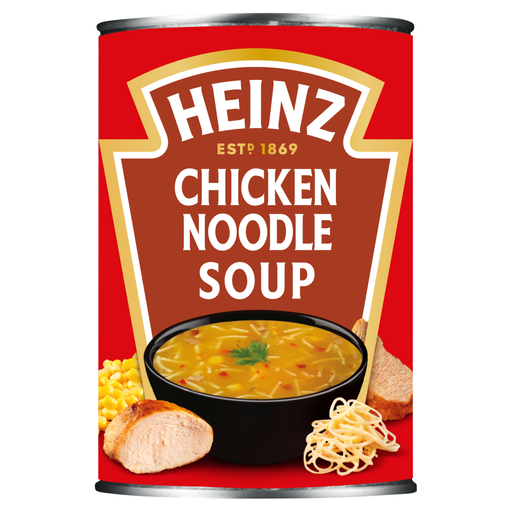
Heinz Chicken Noodle Soup 400g
A chicken-and-noodle option if that style of soup appeals. For a whole-can meal, check the current label’s energy, protein and salt totals; if a texture-modified diet is prescribed, assess the prepared soup against the recommended level.
View on Joybuy
 No image available
Heinz Cream of Chicken & Mushroom Soup 400g
Consider this 400g chicken-and-mushroom soup if those flavours suit the meal. Read the current can for full-portion nutrition and allergens; a creamy name does not establish suitability for a prescribed swallowing texture.
View on Joybuy
 No image available
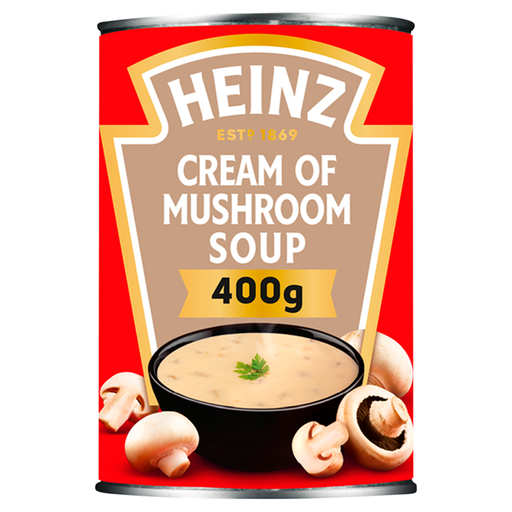
Heinz Cream of Mushroom Soup 400g
This 400g mushroom soup offers an alternative to the chicken varieties. Compare the current label’s nutrition for the portion eaten and check its ingredients before buying for someone with food allergies or a prescribed diet.
View on Joybuy
 No image available
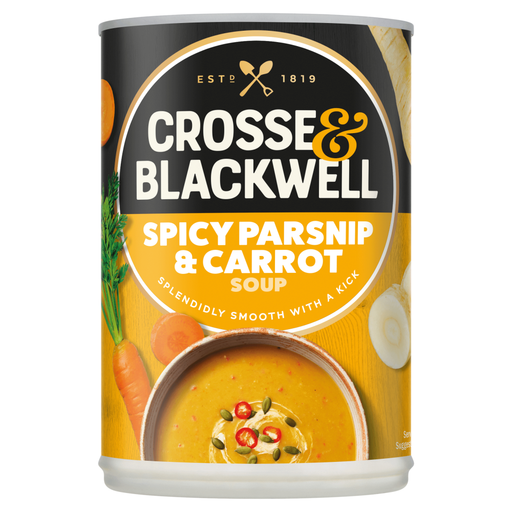
Crosse & Blackwell Best of British Spicy Parsnip & Carrot Soup 400g
A parsnip-and-carrot choice for someone who wants a spiced soup. Check protein as well as energy for the full 400g can if it will stand alone as a meal, and read the current ingredient and allergen declaration.
View on Joybuy
 No image available
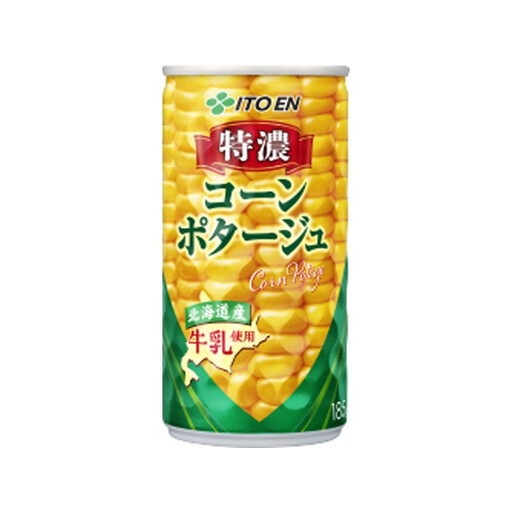
Itoen Special Rich Corn Potage Soup 185g
The 185g can is smaller than the 400g options here, so compare the amount likely to be eaten rather than treating every can as the same-sized meal. Read the current nutrition panel for energy, protein, salt, carbohydrate and sugars, and check ingredients before serving.
View on Joybuy
Questions about choosing soup
Is a soup under 500 kcal suitable for every older adult?
No. A calorie ceiling does not account for protein, salt, appetite or individual dietary needs. Cambridge University Hospitals NHS Foundation Trust advises that people eating little because of illness may need to focus on getting enough energy and protein; seek individual advice if intake is poor or weight is falling unintentionally.
How do I work out the nutrition for a whole can?
Check the number of labelled servings and multiply each per-serving value by the amount eaten. Tesco lists two half-can servings for the reviewed 400g Heinz soups, so a whole can contains twice the stated half-can energy, protein and salt. For condensed soup, include any milk or other ingredients used in the finished bowl.
Can someone with dysphagia have ordinary tinned soup?
Do not assume that ordinary soup matches a prescribed swallowing level, even if it looks smooth. IDDSI says the appropriate level follows an individual clinical assessment and that texture or thickness should be checked under intended serving conditions, including temperature.
How much salt is in a full can of the soups discussed here?
Tesco’s half-can labels calculate to 2g salt for Heinz Big Soup Chicken & Veg, 2.2g for Cream of Tomato and 2.4g for Vegetable in each full 400g can. The NHS general adult maximum is 6g salt a day; anyone with an individually prescribed limit should use that advice when comparing products.
What should I read on the can before serving?
Check the current ingredients and allergen declaration, portion size, nutrition panel and preparation directions. Tesco warns that recipes can change, so the physical label should take precedence over an online listing, particularly where an allergy or a specific dietary requirement matters.


