Who is this for?
The useful portion is the one you can realistically eat during your break, whether that is half a can or the whole 400g.
Night-shift workers planning a lighter break
If you want a warm snack or light meal overnight, consider its portion size as well as its calorie figure. The British Nutrition Foundation advises shift workers to avoid large, heavy meals that may cause drowsiness; the British Dietetic Association also discusses breaks with lighter meals or snacks during the night.
Shoppers using a 500 kcal limit
If you may finish a 400g can, calculate calories for all 400g rather than comparing a half-can label figure with your limit. Check the serving basis again if you add anything to the soup or prepare it from a condensed product.
People checking salt or dietary suitability
Flavour and calorie count do not tell you the salt in your portion or whether the ingredients meet your dietary requirements. Read the exact can’s nutrition, ingredient and allergen information before taking it to work.
What to check before choosing
Start with the amount you expect to eat, then compare soups on that same portion basis. Condensed soup needs a separate look because its nutrition may be stated for a prepared portion.
| Priority |
What to check |
Your needs |
| Calories for your portion |
Find the kcal figure and its serving size. For a 400g can labelled per half can, double the figure if you will eat it all; include any additions when assessing your meal. |
I might eat the whole can during one break, so I want that amount—not just the labelled half—to stay below 500 kcal. |
| Soup format |
Check whether the nutrition applies to soup straight from the can or to a prepared portion. Campbell’s Soup UK states 142 kcal per 147.5g prepared portion for Cream of Chicken condensed soup and 133 kcal for Cream of Mushroom. |
A prepared portion could suit my break, but I need to work out how many portions I will make and eat. |
| Salt |
Compare salt for the same amount you plan to eat. Tesco Groceries lists 1.2g salt per half can for Heinz Minestrone and 1.3g for Heinz Chicken Broth: a full can gives 2.4g and 2.6g respectively. |
Even if the whole can meets my calorie limit, I want to know its full-can salt figure before choosing it. |
| Ingredients and allergens |
Read the exact product’s ingredient and allergen statements. If vegetarian suitability matters, look for a statement on that product rather than judging by its flavour name. |
My shift meal needs to fit my dietary requirements, and a vegetable-sounding name is not enough to establish that. |
| Heating and storage |
Read the can’s preparation and opened-can storage instructions. Check that you will have the equipment and container needed for the portion you plan to take. |
If I cannot heat or store a partly used can as directed during my shift, a different portion plan would be more practical. |
Brand and range references
These examples show why it is worth comparing exact products rather than relying on a brand name or a ‘low fat’ description.
Heinz
Heinz has several 400g soup varieties with per-half-can nutrition figures listed by Tesco Groceries.
- Tesco Groceries lists 63 kcal per half can for Heinz Minestrone, 64 kcal for Chicken Noodle, 68 kcal for Chicken Broth and 94 kcal for Vegetable. Those figures double to 126–188 kcal if you eat each full 400g can.
- The corresponding listed salt figures are 1.2–1.3g per half can. Check the exact flavour’s ingredients and allergens rather than assuming the varieties have the same dietary suitability.
Campbell’s
Campbell’s condensed soups require attention to preparation and portion size when compared with ready-to-heat 400g cans.
- Campbell’s Soup UK gives ‘as consumed’ values of 142 kcal per 147.5g portion for Cream of Chicken and 133 kcal for Cream of Mushroom.
- The same prepared portions list 1.27g and 1.42g salt respectively. Calculate for the number of prepared portions you will actually eat.
Tesco
Tesco own-label tinned soup provides another product range to compare with branded cans, including a Low Fat Tomato Soup 400G listing.
- An own-label option lets you compare the nutrition and ingredients of a specific Tesco can on the same portion basis as other soups.
- Tesco notes that recipes, nutrition and allergens can change. Use the current can label when making a dietary decision.
Joybuy soup options
These 400g tinned soups offer different flavours and meal styles for a night-shift break. Decide how much you intend to eat, then use the current label to check calories, salt, ingredients and preparation for that amount.
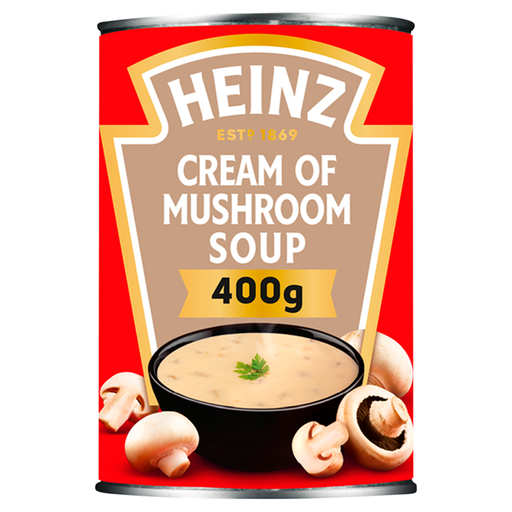 Image unavailable
Heinz Cream of Mushroom Soup 400g
A mushroom soup to consider if you want a 400g can for a warm break. If you plan to eat the whole can rather than part of it, check the whole-can calories and salt; check the exact label for milk and wheat if either affects your diet.
View on Joybuy
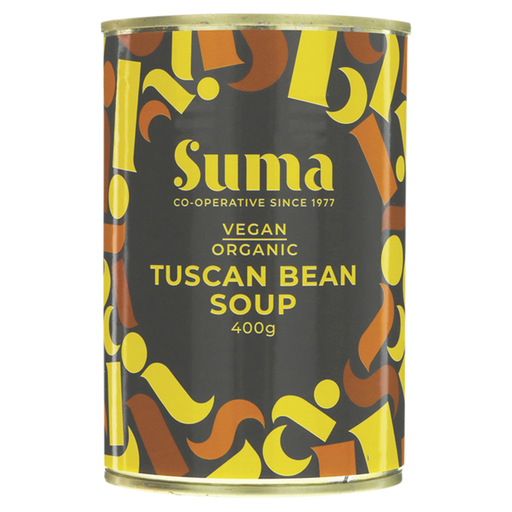 Image unavailable
Suma Organic Tuscan Bean Soup 400g
This bean soup is an option if that flavour suits your shift meal. Work from the 400g can size if you expect to eat it all, or measure the portion you take; check the exact label for celery and for opened-can storage directions.
View on Joybuy
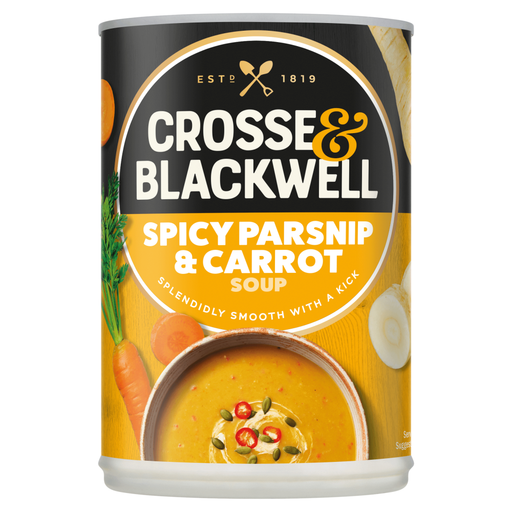 Image unavailable
Crosse & Blackwell Best of British Spicy Parsnip & Carrot Soup 400g
The spicy parsnip-and-carrot variety gives you a different flavour to consider for a warm break. Check the can’s heating and storage instructions before planning to take it to work, and read its allergen statement if celery, milk or wheat affects your choice.
View on Joybuy
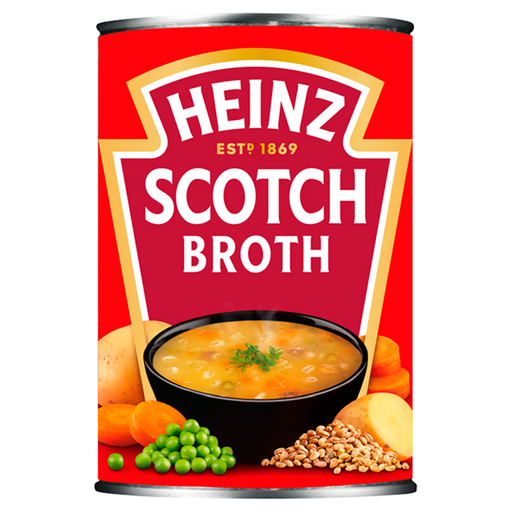 Image unavailable
Heinz Scotch Broth Soup 400g
Consider this broth if you want a more substantial style of soup and that suits your overnight break. Compare the label for the portion you will eat; check its ingredients for barley and wheat if gluten affects your diet.
View on Joybuy
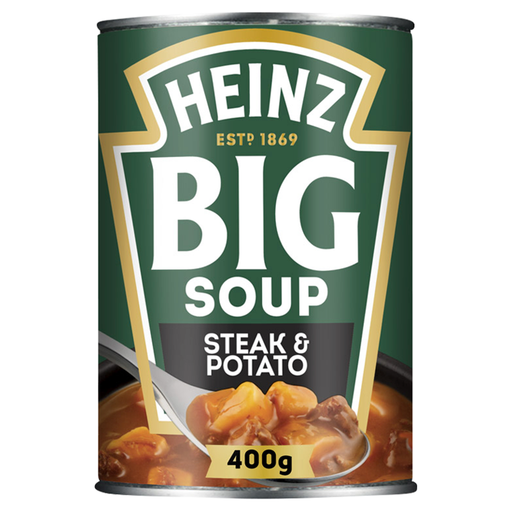 Image unavailable
Heinz Big Soup Steak & Potato 400g
This steak-and-potato variety is worth considering if you prefer a heartier soup to a lighter broth during your break. Use the 400g can size when checking a whole-can meal against your calorie limit, and follow the pack’s serving and preparation directions.
View on Joybuy
Questions about portions and labels
Does under 500 calories mean per 100g, per serving or per can?
It means the amount of soup you will actually eat, including any additions to your meal. Tesco Groceries lists Heinz Minestrone at 63 kcal per half can, which is 126 kcal if you eat both halves of its 400g can; check the serving basis on any other product before calculating.
Can a soup meet my calorie limit but still contain a lot of salt for my portion?
Yes: calories and salt need separate checks. Tesco Groceries lists 1.2g salt per half can for Heinz Minestrone and Chicken Noodle, or 2.4g if either full can is eaten; it lists 1.3g per half can for Chicken Broth, or 2.6g for the full can.
How should I plan heating and storage for a shift?
Follow the directions on the exact can, including any instructions for heating and storing unused soup. If you intend to eat only part of it, check that you can bring an appropriate container and follow its opened-can storage directions at work.
Can I rely on a front-of-pack traffic-light label?
Use one as a starting point when it appears, not as a substitute for the serving information. GOV.UK describes traffic-light labels as helpful for comparing calories, fat, sugar and salt; the nutrition table lets you work out the figures for the portion you intend to eat.


