Couples serving a small hot buffet
Tinned soup can be considered as a hot course or late-evening option when there is a way to heat it, serve it and establish how many cups or bowls each can fills.


Choose tinned soup for a wedding buffet if you can heat it and manage its hot service, rather than relying on unopened cans as a ready-made buffet setup. For a mixed guest list, check the exact can’s ingredients, allergens and serving yield before settling on a flavour; choose condensed soup only if you have time to prepare and test the final recipe.
The deciding factor is whether the serving plan works for the guests and the time soup will spend on the buffet.
Tinned soup can be considered as a hot course or late-evening option when there is a way to heat it, serve it and establish how many cups or bowls each can fills.
Check each chosen variety rather than relying on its flavour or a vegetarian label. For example, Sainsbury’s lists milk ingredients in Heinz Cream of Tomato, while the Joybuy-listed Heinz Cream of Mushroom declares milk and wheat.
Plan the equipment, staff and allergen information alongside the menu. GOV.UK says hot food that a food business does not serve straight away must be kept at or above 63°C; it also requires businesses to provide allergen information for prepacked and non-prepacked food.
Settle the heating and serving arrangement first, then compare exact cans for dietary fit, portion yield and preparation steps.
| Priority | What to check | Your needs |
|---|---|---|
| Hot service | Read the can’s heating directions; confirm how soup will be transferred and served. For food-business service, GOV.UK says food not served straight away must be held at or above 63°C. | I need a workable heat source and serving arrangement for the time guests will be eating, not just somewhere to store the cans beforehand. |
| Ingredients and allergens | Check each exact can’s ingredient and allergen declarations. Keep the information available at the buffet and plan separate, labelled ladles for different soups. | A vegetarian choice may suit some guests, but I also need to check separately for vegan requirements and individual allergens. |
| Portion yield | Compare can size and stated servings, then trial a heated can in the cups or bowls you intend to use. Sainsbury’s lists two servings for its 400g Vegetable Soup; that is its stated serving count, not an event yield. | Will guests receive a tasting cup or a starter bowl? I need the number of portions in our chosen vessels before deciding how many cans to order. |
| Preparation | Distinguish soup that needs heating from a condensed recipe base. ASDA Groceries instructs buyers to mix Campbell’s 295g Condensed Cream of Mushroom with one can of water, or milk or a milk substitute for a creamier result. | If the kitchen has limited preparation time, I want to avoid an unplanned dilution step. If soup is part of a recipe, I need to test the finished dish instead. |
Soup names do not identify every ingredient: Sainsbury’s lists milk ingredients in Heinz Cream of Tomato, despite its vegetarian designation. Once soup is served away from its can, guests may not see the original label.
Keep the current ingredient information for each chosen can and provide a clear dish-and-allergen list. Use a separate, labelled ladle for each option.
A soup that fits the menu may not fit a long buffet service without suitable equipment. GOV.UK says food businesses must keep hot food at or above 63°C when it is not served straight away.
Confirm electrical access, equipment capacity, batch sizes, clean ladles and who will manage the service before placing the order.
Equipment and staff time are part of the service plan, even when the soup itself is stored in the cupboard until the event.
Sainsbury’s states that its 400g Vegetable Soup serves two, but the number of event portions depends on the vessel and the amount served.
Serve a trial can into the actual cups or bowls, record the yield and use that result to plan quantities.
ASDA Groceries instructs buyers to add one can of water to Campbell’s Condensed Cream of Mushroom, with milk or a milk substitute offered as alternatives for a creamier result. The added liquid changes the preparation and finished quantity.
Write down the final recipe, measure the dilution and trial a batch before deciding how it fits the buffet.
Allow preparation time and the chosen additional liquid in the kitchen plan.
Use these as examples of soup formats and varieties, then check the label of the exact product you plan to serve.
Its 400g Cream of Tomato and Carrot & Coriander varieties are examples of vegetarian-labelled soups listed by Sainsbury’s.
Its 295g Condensed Cream of Mushroom is an option for a planned recipe or diluted soup, rather than a simple heat-and-serve choice.
Tesco Groceries lists own-brand Plant Chef and Chunky soups in its tinned-and-packet-soup range.
Its 400g Vegetable Soup is a chunky option containing pasta, vegetables and beans.
ASDA Groceries lists a 400g Cream of Tomato Soup described as suitable for vegetarians.
Marks & Spencer lists vegetarian and vegan filters in its tinned-soup range.
These canned soups offer different flavours and can sizes to assess for a hot wedding buffet. Check each exact can against your guest list and serving setup; the product choices do not replace a plan for heating, portions or hot holding.
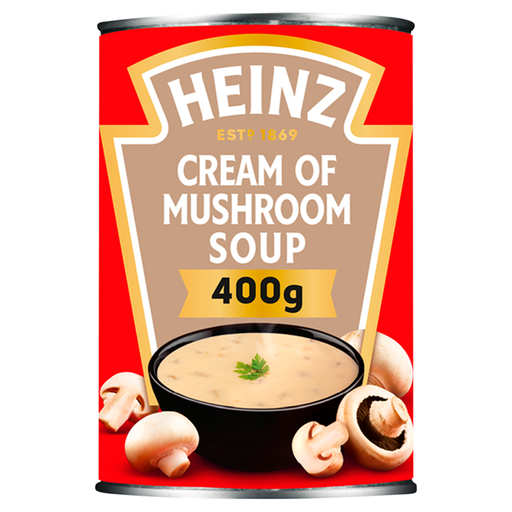 No image available
Consider this mushroom soup if a vegetarian-labelled choice fits the menu. It is a 400g can with two stated servings; trial it in your event bowls. It contains milk and wheat, so check the current label before assigning it to guests with dietary restrictions.
 No image available
This 400g soup is a choice to assess if the buffet includes a non-vegetarian option. It contains chicken, milk and wheat. Trial portions in the planned serving vessel and follow the can’s heating instructions.
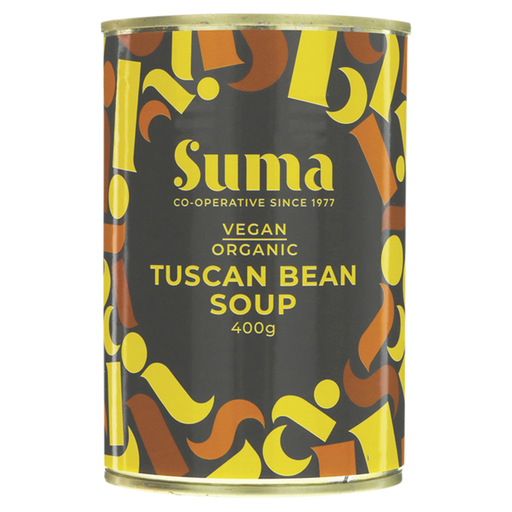 No image available
This 400g bean soup offers a different flavour from tomato or cream-style options. It contains celery; check the current label and heating directions, then test how many portions it fills in your chosen bowls.
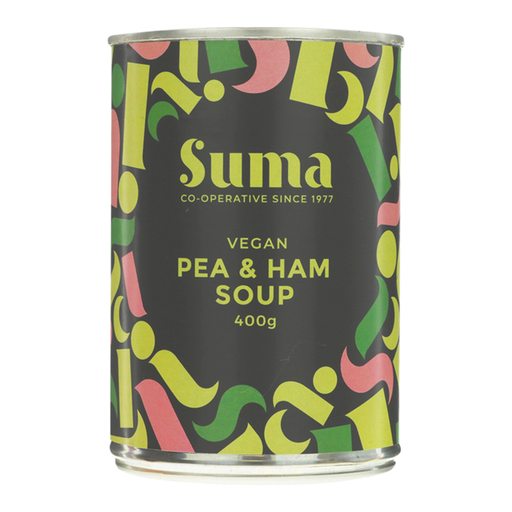 No image available
This 400g pea soup has a vegan-style name, but its supplied allergen information conflicts with that positioning: milk appears in an allergen statement. Do not assign it to a vegan or milk-free buffet choice without checking the current can. Confirm its heating directions and trial the portion size as well.
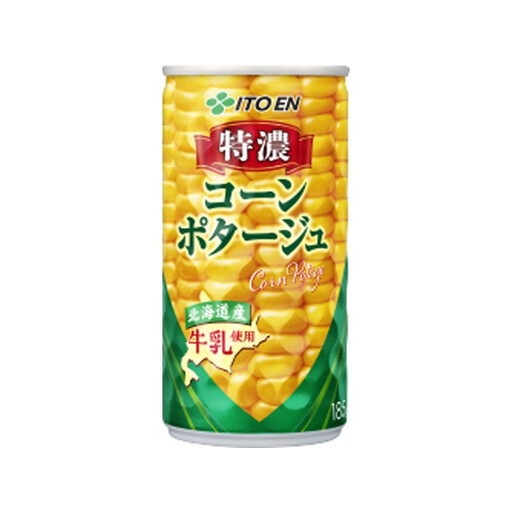 No image available
The 185g can is worth assessing if a smaller serving format suits the buffet. Its listed ingredients include milk and chicken bouillon flavouring, so do not treat it as a vegetarian choice. Check the can’s heating instructions and trial its yield before ordering for guests.
Cans are a storage format, not a hot-service arrangement. If you plan to serve hot soup, follow the chosen product’s preparation instructions and arrange suitable service equipment. GOV.UK says food businesses must keep hot food at or above 63°C when it is not served straight away.
Use the exact can’s stated servings as a starting point, then trial it in your event cup or bowl. Sainsbury’s states that its 400g Vegetable Soup serves two, but that statement does not establish how many of your planned buffet portions it will fill.
No. Sainsbury’s lists milk ingredients in vegetarian-labelled Heinz Cream of Tomato, and Marks & Spencer lists skimmed milk and double cream in its vegetarian Cream of Tomato. Check the current ingredient and allergen label of each exact soup you intend to serve.
Food businesses need to make allergen information available to consumers for food served without its original packaging as well as for prepacked food, according to GOV.UK. Food Standards Scotland says businesses must tell consumers if food they sell contains any of the 14 regulated allergens. Keep the information for each soup available to guests when it is served.
If the catering operation is a food business, check registration before trading. GOV.UK specifies registration at least 28 days before trading in England, Wales and Northern Ireland; Food Standards Scotland specifies at least 28 days before opening in Scotland. For a one-off private arrangement, ask the relevant local authority whether the operation falls within food-business registration rather than assuming that it does or does not.