
24/7 Customer Support

Free returns

Same-day & Next-day Delivery

Quality Guaranteed

Unlock Your Welcome Offers: FREE Delivery | Up to 80% OFF | Free 30-day JoyPlus trial
Download the APP
From a rich bolognese to a simple soup, tinned tomatoes are the unsung hero of the British pantry. They offer convenience, value and a taste of summer all year round. Yet, not all canned tomatoes are created equal. Navigating the supermarket aisle or shopping online can lead to common pitfalls: watery tins that dilute your sauces, misleading labels that promise more than they deliver and textures that just don't suit your dish.
As a Joybuy Product Recommendation Officer, my role is to help you see past the marketing and focus on what truly matters for your cooking. Let's break down the frequent missteps many home cooks make and ensure your pantry is stocked with quality, flavourful essentials.
The "Italian Origin" Illusion: A label proclaiming "Italian tomatoes" can evoke images of sun-drenched fields and rich, authentic flavour. While many excellent tomatoes do come from Italy, the country of origin alone is not a guarantee of quality. Low-grade tomatoes can be grown and packed anywhere. The actual variety of the tomato (like San Marzano or Roma) and the producer's standards for ripeness and processing are far more important indicators of a flavourful product.
The Watery Disappointment: The most common complaint is opening a can to find a few sad-looking tomato pieces floating in a sea of thin, flavourless liquid. This is often a result of using under-ripe tomatoes or a low ratio of tomato solids to juice. A good tin should feel heavy for its size and contain a high percentage of actual tomato, which is usually listed in the ingredients.
Unwanted Additives: While a simple tin of tomatoes should contain just tomatoes and tomato juice (perhaps with citric acid as a preservative), many pre-seasoned or "sauce" versions can hide significant amounts of salt and sugar. This can overpower the natural sweetness of the tomatoes and interfere with the balance of your recipe, forcing you to adjust your own seasoning.
To avoid these traps, focus on a few key details on the product label. Understanding these will empower you to select the right tin for any recipe.
The form of the tomato dictates its texture and best use in the kitchen. Choosing the right one is the first step to a successful dish.
A high-quality tin of plain tomatoes should have a very short ingredient list. Look for: Tomatoes (ideally with a percentage listed, e.g., "Tomatoes 60%"), Tomato Juice and sometimes Citric Acid (an acidity regulator that helps preserve the product). If you see sugar, salt or various herbs listed high up, be aware that you are buying a pre-seasoned product, not a neutral base.
For any household that cooks regularly, buying bulk tinned tomatoes is a smart move. Multipacks not only offer better value per tin but also ensure your pantry is always ready for a spontaneous meal. Whether you're a family cooking large batches of bolognese or a small café needing a reliable supply, multipacks of 12 or 24 canned tomatoes are a cost-effective and practical choice.
We've matched some reliable options to different cooking needs, helping you find the right product for your kitchen.
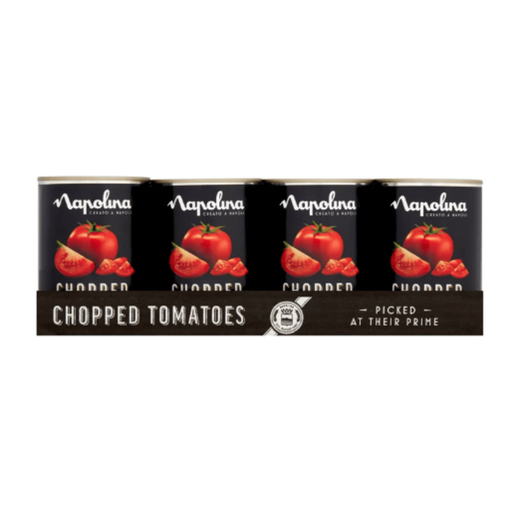
Why This Fits Their Persona: For families and meal preppers, consistency and value are paramount. This 24-tin case ensures the pantry is always stocked for weekly chillies, curries and pasta sauces, offering significant savings over individual purchases.
This product directly counters the "watery disappointment" by providing a consistent, thick texture with a high tomato content (70%) and rich juice, ensuring your sauces aren't diluted.
Excellent cost-per-unit value. The simple ingredient list (tomatoes, juice, citric acid) provides a reliable and neutral base for a wide variety of recipes.
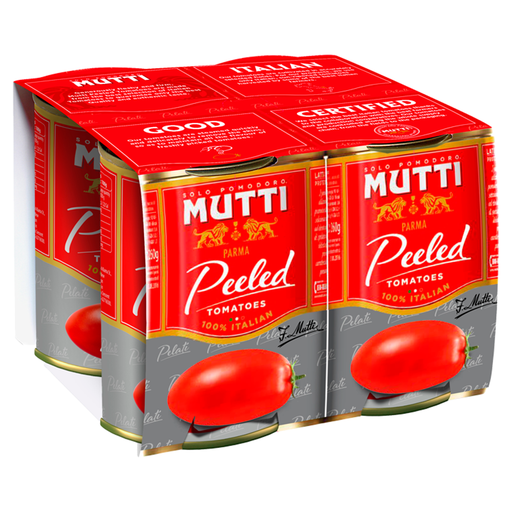
Why This Fits Their Persona: This cook seeks authentic flavour and texture for classic Italian dishes. Whole peeled plum tomatoes offer the versatility to crush, chop or blend, providing full control over the final sauce consistency.
It sidesteps the "Italian Origin" illusion by focusing on brand reputation and product quality. Mutti is known for using ripe, flavourful tomatoes, delivering a product that is naturally sweet and rich, not just generically Italian.
Contains only peeled tomatoes and tomato juice, offering a pure, unadulterated flavour. The whole tomatoes are firm yet tender, breaking down beautifully in long-simmering sauces.
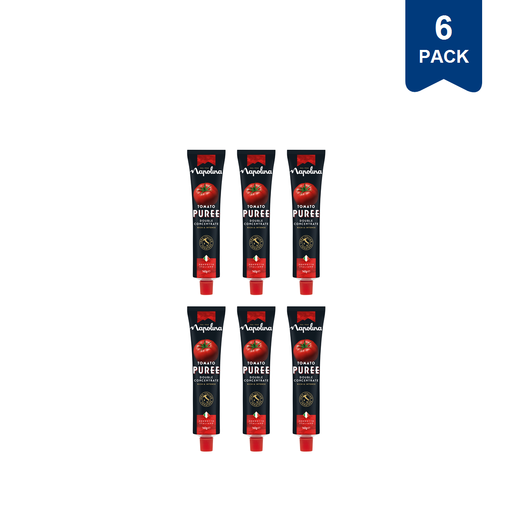
Why This Fits Their Persona: This user needs a powerful hit of tomato flavour without adding bulk or liquid. Tomato puree is essential for adding depth to stews, shepherd's pie or for creating a rich pizza sauce base.
By its very nature, this product is the opposite of watery. It's a double-concentrate, meaning it delivers intense flavour. The simple ingredient list ensures you're getting pure tomato taste without hidden salt or sugar.
A little goes a long way, making it very economical. The tube packaging is convenient for storage, allowing you to use a small amount and refrigerate the rest for weeks.
We have compiled a complete, real-time list of products that fully satisfy these strict selection criteria and UK safety regulations.
1. What is the real difference in using chopped versus plum tomatoes? The main difference is texture and control. Plum tomatoes are whole and hold their shape better in slow-cooked dishes. They allow you to crush them to your desired chunkiness, resulting in a more rustic, often sweeter sauce. Chopped tomatoes are about convenience; they break down faster and are perfect for quicker meals like curries or weeknight pasta sauces where a uniform texture is acceptable.
2. Can I freeze leftover tinned tomatoes? Yes, absolutely. It's a great way to avoid waste. Once a can is opened, you should transfer any unused tomatoes into a non-metallic, airtight container. They will last for a couple of days in the fridge, but for longer storage, they freeze perfectly. You can freeze them in a container or in ice cube trays for pre-portioned amounts to drop into future sauces or stews.
3. Why do some tinned tomatoes have a metallic taste? A metallic taste can sometimes occur if the acidic tomatoes react with the tin can, particularly if the can has a small dent or has been stored for a very long time. To avoid this, always transfer leftover tomatoes from the can to a glass or plastic container before refrigerating. Choosing brands that use cans with a white, non-BPA lining can also help minimise this issue.