
24/7 Customer Support

Free returns

Same-day & Next-day Delivery

Quality Guaranteed

Unlock Your Welcome Offers: FREE Delivery | Up to 80% OFF | Free 30-day JoyPlus trial
Download the APP
Tinned tomatoes are a useful cupboard staple for pasta, pizza, soups, stews and quick midweek meals. However, choosing the right tin is not simply a matter of picking the lowest price or the most familiar label. The tomato format, quantity, ingredients and storage instructions can all affect value and cooking results.
For UK households, meal planners and catering kitchens, three common buying traps are worth avoiding:
The format should match how you cook:
Read the ingredients in order of quantity. For example, some products list tomatoes and tomato juice with citric acid, while others include salt or additional flavourings.
Citric acid is commonly used as an acidity regulator. It is not the same as added sugar or a seasoning blend. If you want to control the flavour of a dish yourself, choose a product with a short ingredient list. If convenience matters more, a passata with onion and garlic may reduce preparation time but will not suit every recipe.
For dietary requirements, check the label each time you buy. Several plain tomato products listed here state that they contain no allergens or are suitable for vegetarians, while prepared products can contain ingredients such as milk or celery. Always verify the current packaging before consumption.
A standard 400g tin is practical for many family recipes, but portion requirements vary. A 4 x 400g pack suits occasional batch cooking, while tinned tomato multipacks such as 12 or 24 tins may be more suitable for large households, caterers and professional kitchens.
Once opened, transfer unused tomatoes to a non-metallic, covered container and refrigerate. Many products recommend using them within two days, although some purées provide a longer period after opening. Follow the instructions printed on the packaging rather than treating all tinned tomatoes as identical.
The following options are matched to different buying needs rather than ranked against one another.
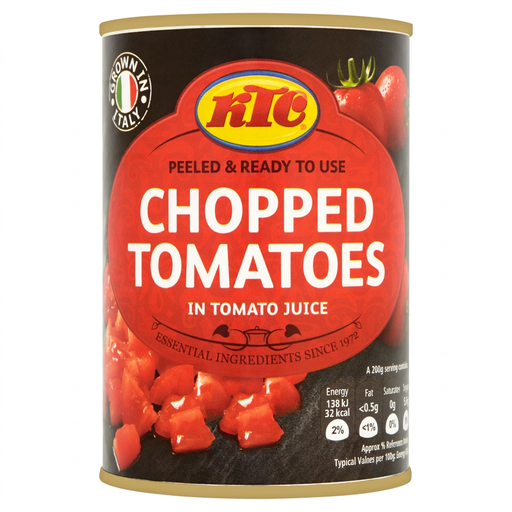
Why This Fits Their Persona: A single 400g tin is a manageable starting point for students, smaller households and cooks building an everyday cupboard.
The compact format avoids overbuying, while the chopped texture is ready to add to sauces, soups and stews.
Peeled and ready to use; listed as grown in Italy and suitable for vegetarians.
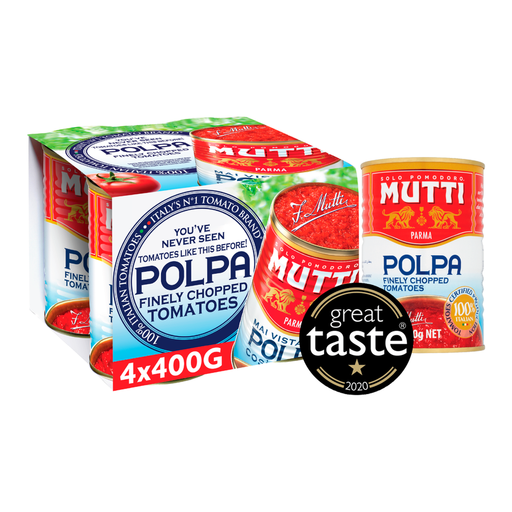
Why This Fits Their Persona: A four-tin pack suits home cooks who regularly prepare pasta sauces, pizza toppings or recipes requiring longer cooking.
The finely chopped format offers a middle ground between whole plum tomatoes and smooth passata, reducing extra preparation.
Made with tomato and salt; the product information states an Italian country of origin and suitability for high-temperature cooking.
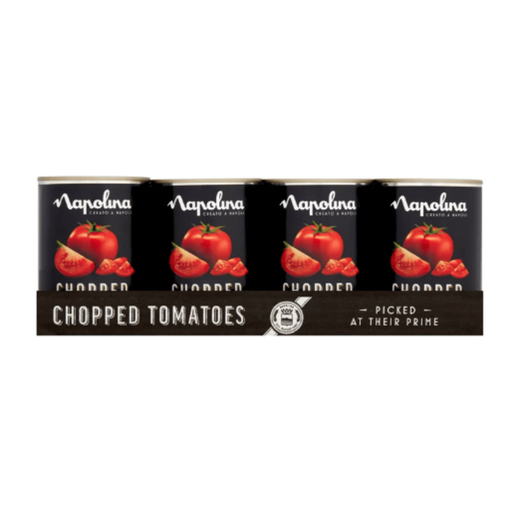
Why This Fits Their Persona: The 24-tin format is designed for large families, batch cooks, caterers and kitchens that use tomatoes frequently.
The pack size is transparent at 24 x 400g, making it easier to plan stock levels and compare the cost per tin.
Chunky tomatoes in rich tomato juice; the listed ingredients include tomatoes, tomato juice and citric acid.
We have compiled a complete, real-time list of products that fully satisfy these strict selection criteria and UK safety regulations.
Yes. Chopped tomatoes are convenient for textured pasta sauces, while plum tomatoes can be crushed or simmered for a more rustic result. Passata creates a smooth base for pasta or pizza, and double concentrate tomato purée can add depth when used in a small quantity.
Follow the product label. Many tinned tomatoes recommend transferring leftovers to a covered, non-metallic container, refrigerating them and using them within two days. Some tomato purées specify a longer refrigerated period, so check the individual packaging.
Not automatically. Divide the total price by the number of tins and compare the cost per 400g. Also consider storage space, expected usage and the best-before date. A multipack is more practical when you regularly cook tomatoes for pasta sauce, pizza sauce, soups and stews.