
24/7 Customer Support

Free returns

Same-day & Next-day Delivery

Quality Guaranteed

Unlock Your Welcome Offers: FREE Delivery | Up to 80% OFF | Free 30-day JoyPlus trial
Download the APP
Tinned tomatoes are one of the most useful pantry staples for UK households. A single 400g tin can become pasta sauce, soup, chilli, curry, stew or pizza topping, while bulk tomatoes help families, caterers and restaurants reduce the need for frequent shopping.
However, not every tomato product is designed for the same job. A smooth tomato passata behaves differently from chopped tomatoes, while tomato puree, ketchup and hot pot base contain very different ingredient combinations. Understanding the label before buying can help you avoid poor value, unsuitable flavours and unnecessary food waste.
“Chopped”, “plum”, “peeled” and “passata” describe the form of the product, not automatically its quality. Whole peeled plum tomatoes may be suitable when you want to control the final texture, but they need crushing or blending. Chopped tomatoes save preparation time, while passata is already sieved and smooth.
Buying the wrong format can lead to extra cooking, a sauce that is too coarse or a dish that becomes thinner than expected.
A multipack may seem economical, but it is only practical if you regularly cook with tomato products. Once opened, many canned tomatoes should be transferred to a non-metallic airtight container, refrigerated and used within two days. Buying bulk tomatoes without enough storage space or meal plans can create waste.
For occasional cooking, one 400g tin may be more suitable. Families, batch cooks and caterers may benefit from 4-, 6- or 12-can packs.
Tomato ketchup, tomato pasta sauce and hot pot base are ready-seasoned products rather than plain cooking tomatoes. They may include sugar, salt, oil, flavourings, thickeners or allergens such as soya or celery.
For example, ketchup is designed for dipping and finishing food, whereas tomato puree is concentrated and intended to be used in small quantities. Check the ingredients and intended use before substituting one for another.
If you want flexibility, plum or peeled tomatoes can be crushed, blended or left whole. If speed matters, chopped tomatoes or passata usually require less preparation.
Plain canned tomatoes commonly contain tomatoes, tomato juice and citric acid. Citric acid is used as an acidity regulator and helps maintain the product’s expected flavour and stability. Other products can contain considerably more seasoning.
Check:
For example, some tomato hot pot bases contain soya and have a substantially higher salt content than plain tinned tomatoes. Clamato tomato cocktail contains dried clam broth, so it is not suitable for vegetarians or vegans.
A standard 400g can generally suits a family meal or approximately two to four servings, depending on the recipe and other ingredients. Multipacks can be useful for batch cooking, restaurant kitchens and households that regularly prepare tomato-based meals.
Before buying bulk tomatoes, compare the price per 100g or per can, check the best-before date and consider cupboard space. Store unopened cans in a cool, dry place away from direct sunlight. Always follow the specific storage instructions on the packaging.
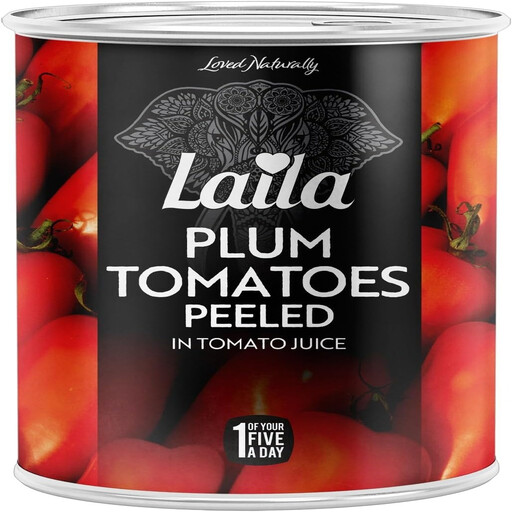
Why This Fits Their Persona: A single 400g can is a practical starting point for students, couples and smaller households cooking pasta, soup or stew.
It uses a straightforward ingredient list of plum tomatoes, tomato juice and citric acid rather than a ready-seasoned sauce.
Ready to use, suitable for vegetarian and vegan cooking, and can be crushed, blended or used whole.
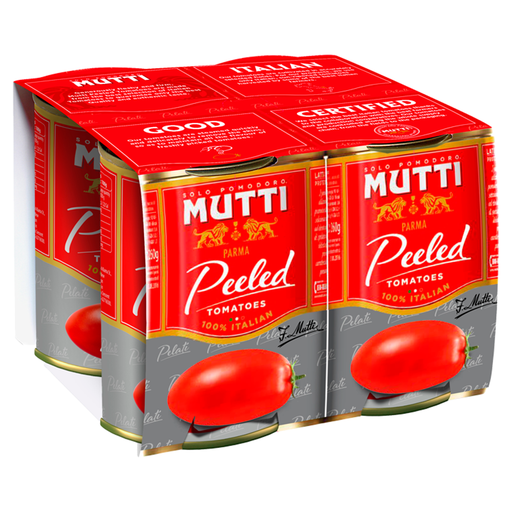
Why This Fits Their Persona: A four-can pack suits cooks who prioritise Italian tomatoes and want a convenient supply for sauces, soups and slow cooking.
The peeled format removes a preparation step, while the ingredient list states peeled tomatoes and tomato juice.
Four 400g cans provide useful cupboard stock, and the product is listed as originating from Italy.
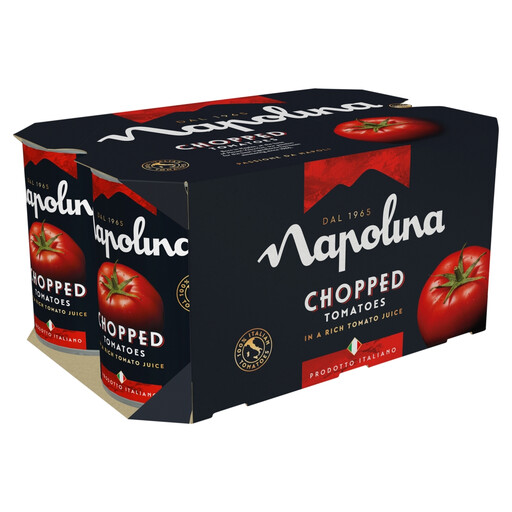
Why This Fits Their Persona: Six cans are suitable for families, meal preppers, caterers and anyone who frequently cooks tomato-based recipes.
The chopped format avoids manual preparation, and the label lists tomatoes at 99.9% with citric acid.
The 2.4kg multipack is practical for repeated use in pasta sauces, pizza toppings, soups, stews and casseroles.
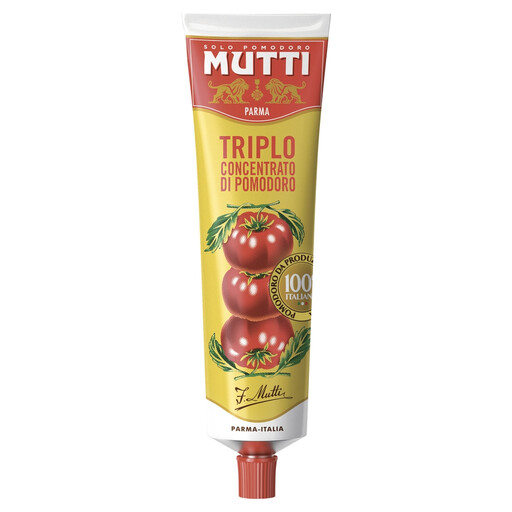
Why This Fits Their Persona: Useful for cooks who want to intensify sauces, braises and stews without adding a large volume of tomato liquid.
Its triple-concentrated format makes the intended small-quantity use clear, avoiding the mistake of treating puree like a full tin of tomatoes.
The product lists 100% Italian tomatoes as a feature and has a 36% minimum dry matter content.
For Mediterranean-style meals, Karyatis Sun Dried Tomatoes 280g provides sliced tomatoes in seasoned oil with garlic, herbs and vinegar. Drain or use a little marinade oil in pasta, salads and sandwiches, while checking the salt content and allergen information.
For Asian cooking, tomato hot pot bases such as Hao Ren Jia Rich Tomato Hot Pot Soup Base, Shoo Loong Kan Xiaolongkan Garden Tomato Hot Pot Base and Haidilao Tomato Hot Pot Base are designed to be diluted and cooked. They are not direct substitutes for plain canned tomatoes, and their labels indicate ingredients such as soya, sugar, oil and flavour enhancers.
For quick family meals, prepared tomato pasta sauces such as Dolmio Lasagne Red Tomato Pasta Sauce or McCormick Tomato and Basil Pasta Sauce reduce preparation time. Compare sugar, salt and allergen details before selecting one.
Keep unopened tinned tomatoes and sauces in a cool, dry cupboard. Do not use cans that are swollen, badly dented around the seams or leaking. After opening, transfer leftovers to a suitable non-metallic container, refrigerate promptly and follow the product’s stated consumption period.
Product instructions differ: several plain tomato products advise use within two days, while some jars and cartons specify a longer or shorter period. Always check the current packaging, as ingredients, nutrition and storage guidance can change.
We have compiled a complete, real-time list of products that fully satisfy these strict selection criteria and UK safety regulations.
Yes. Chopped, plum and peeled tomatoes can all be simmered with onion, garlic and herbs to make a pasta sauce. Passata gives a smoother finish, while tomato puree can be added in a small quantity for extra concentration.
Follow the label instructions. Many products should be transferred to a non-metallic container, refrigerated and consumed within two days. Do not store opened tomatoes in the original metal can unless the packaging specifically permits it.
Plain products containing only tomatoes, tomato juice and citric acid are often suitable for vegan cooking, but you should check each label. Hot pot bases, pasta sauces and tomato cocktails may contain soya, chicken fat, fish or mollusc ingredients.