Curry cooks comparing salt
If you want the tomatoes to contribute less salt, compare figures per 100g and consider the stock, sauces and seasoning going into the same curry.


For a chopped tomato base, ASDA Groceries lists 0.01g salt per 100g for ASDA Chopped Tomatoes, while Marks & Spencer lists 0.02g per 100g for M&S Chopped Italian Tomatoes; both figures are below those of the other 400g examples compared here. Check the tin you buy, choose a texture that suits your sauce, and account for salt from stock, curry paste and seasoning too.
If you want the tomatoes to contribute less salt, compare figures per 100g and consider the stock, sauces and seasoning going into the same curry.
Chunky chopped tomatoes and finely chopped pulp offer different starting textures. Choose the format you want, then check its salt figure rather than assuming the textures have similar values.
Supermarket own-label tins give you options beyond the familiar tomato brands. Compare their current ingredient lists and nutrition panels, as product information can change.
Start with the salt figure in the nutrition table, then decide which tomato texture and pack size fit the curry you plan to make.
| Priority | What to check | Your needs and related survey finding |
|---|---|---|
| Salt label | Compare salt per 100g across tins. Check the ingredients for added salt; use a traffic-light label, where present, as a quick cue rather than a substitute for the number. | I want to compare the tomatoes on the same basis before choosing a tin. In a 2024 Food Standards Agency and Ipsos Northern Ireland survey of 611 people interviewed from September to November, 49% said they actively used traffic-light labels when shopping for food. |
| Sauce texture | Look for chunky chopped pieces if you want noticeable tomato texture, or finely chopped pulp if you want a less chunky base. Compare the salt figure for the particular format. | For this curry, would I prefer pieces of tomato in the sauce or a finer tomato base? |
| Whole recipe | Check stock cubes, curry paste and sauces as well as the tomatoes. Taste before adding salt; the NHS suggests herbs and spices as alternatives to adding it. | A lower-salt tin helps me control one ingredient, but I still need to consider what goes into the rest of the curry. |
| Pack and storage | Check the number and size of tins against what you will use. Follow the chosen tin’s instructions for refrigerating and using any contents left after opening. | If I cook curry occasionally, a multipack may leave tins to store; if I use only part of a tin, its opened-tin instructions matter. |
Marks & Spencer lists 0.02g salt per 100g for its Chopped Italian Tomatoes, while Sainsbury’s lists 0.08g per 100g for its SO Organic chopped tomatoes. Those descriptions do not tell you which tin has the lower figure.
Compare the salt values per 100g before using origin, organic status or texture to make the final choice.
Salt from stock, paste, sauces and seasoning also contributes to the finished recipe, even when the tomatoes have a small declared amount.
Check the other ingredients and taste the curry before adding salt. The NHS suggests using herbs and spices for flavour instead.
Napolina describes its chopped tomatoes as chunky and lists 0.10g salt per 100g. ASDA Groceries lists 0.30g per 100g for Mutti Finely Chopped Tomatoes, which also include salt in the ingredients.
Decide whether you want distinct pieces or finely chopped tomatoes, then check whether that product’s salt figure fits your recipe.
Opened-tin storage instructions can differ between products, which matters if one curry does not use the full tin.
Read the chosen tin’s directions for transferring, covering, refrigerating and using any leftovers.
These figures describe the named chopped-tomato products, not every tin made by each brand; check the label on the product you choose.
ASDA Chopped Tomatoes is a 400g own-label option with chopped tomatoes in concentrated tomato juice.
M&S Eat Well Chopped Italian Tomatoes is a 400g chopped-tomato and juice option.
Sainsbury’s has standard and SO Organic 400g chopped-tomato lines to compare.
Napolina describes its chopped tomatoes as chunky and suitable for thick sauces.
Mutti Finely Chopped Tomatoes offers a finer-cut format than chunky chopped tomatoes.
These options include chopped tomatoes for a curry base, a finely chopped alternative and whole plum tomatoes for cooks willing to use a different format. Compare the salt label on the exact product before choosing.
 No image available
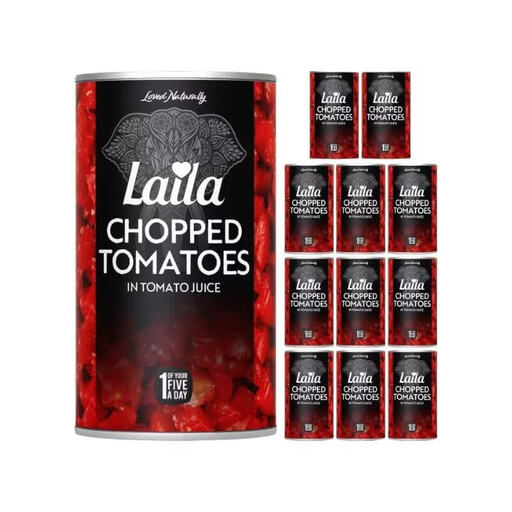
Chopped tomatoes suit a curry where you want tomato pieces in the base. This is a 12-tin pack; check whether that quantity suits how often you cook and compare the salt figure on the tins.
 No image available
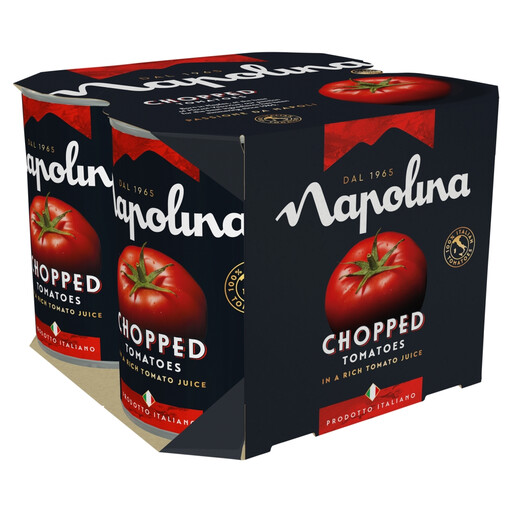
Napolina describes its chopped tomatoes as chunky, which may suit a curry where you want noticeable tomato pieces. This pack contains four 400g tins; Napolina lists 0.10g salt per 100g for its chopped tomatoes, so check the pack label against your other ingredients.
 No image available
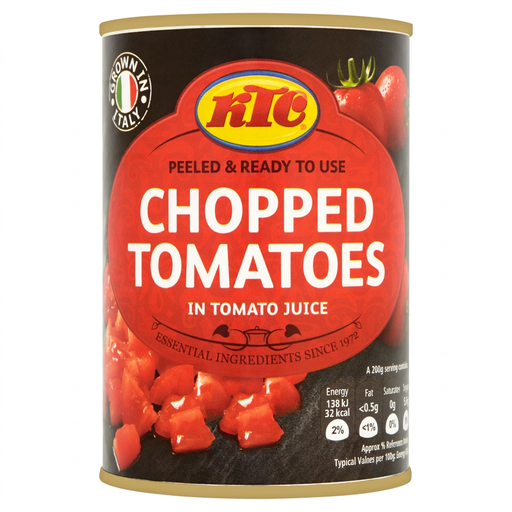
This single 400g tin gives you a chopped-tomato format without committing to a multipack. Compare its salt per 100g with other tins and read the label for instructions if you expect to keep leftovers.
 No image available
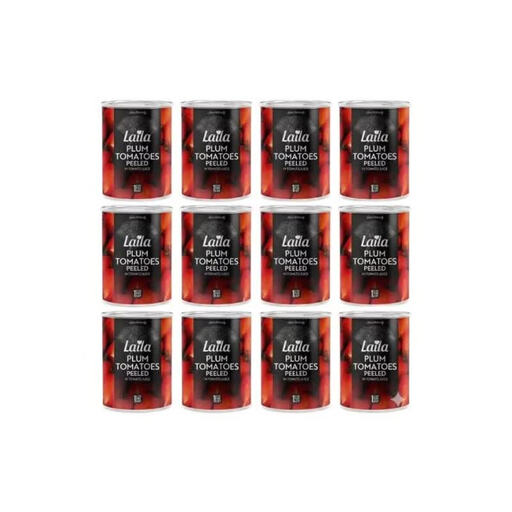
Choose this only if whole plum tomatoes suit the curry you plan to make; they are not the same format as chopped tomatoes. The pack contains twelve 400g tins, and the salt figure should be checked on its own label.
 No image available
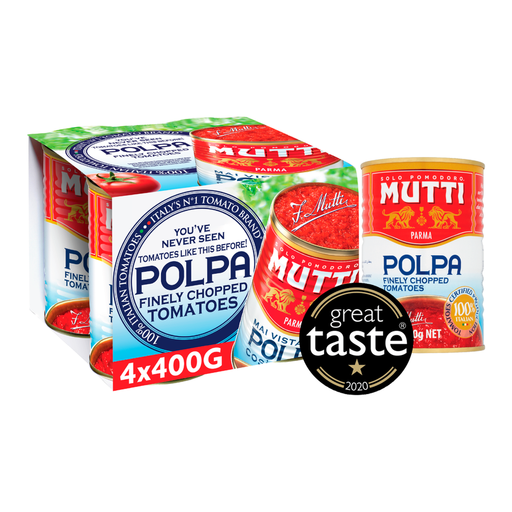
The finely chopped format suits a curry where you prefer smaller tomato pieces. This pack contains four 400g tins; ASDA Groceries lists 0.30g salt per 100g for Mutti Finely Chopped Tomatoes and salt in the ingredients, so check the pack label if reducing salt is central to your choice.
Compare the salt figure per 100g on tins you would use in the same way, then check the ingredients and texture. ASDA Groceries lists 0.01g per 100g for ASDA Chopped Tomatoes, while its listing for Mutti Finely Chopped Tomatoes gives 0.30g per 100g; check the label on the exact tin you buy.
No. Stock cubes, curry paste, other sauces and seasoning can also add salt. Check those ingredients and taste before adding more; the NHS suggests herbs and spices as alternatives to adding salt.
Follow the storage and use instructions on that tin. If you are keeping leftovers, check its directions for transferring them to a suitable covered container and refrigerating them.
A traffic-light label, where present, gives a quick low, medium or high indication. For a closer comparison between tins, read the numeric salt value per 100g in the nutrition table.