World-food-night cooks
If the same cupboard stock needs to work for curry, chilli, pasta sauce or pizza, start with the texture each dish calls for. A plain tin leaves room to add different seasonings as you cook.


Choose the tomato format to match the texture you want: finely chopped tomatoes make an even base, standard chopped tomatoes retain more visible pieces, and whole peeled tomatoes let you crush or blend them yourself. Plain tomatoes leave seasoning in your hands across different dishes; choose a flavoured tin when its added ingredients fit the recipe, and check the current label and storage instructions.
If the same cupboard stock needs to work for curry, chilli, pasta sauce or pizza, start with the texture each dish calls for. A plain tin leaves room to add different seasonings as you cook.
Finely chopped tomatoes suit an even base; standard chopped tomatoes leave pieces in the dish. Whole peeled tomatoes give you the option to crush, chop or blend them to your preferred texture.
Compare the current labels if added salt, herbs, sugar, flavourings or allergens matter to your choice. Do not assume two tins with similar names have the same ingredients.
Decide on the cut and seasoning before comparing tins, then check the pack you will use for ingredients and storage directions.
| Priority | What to check | Your needs |
|---|---|---|
| Texture | Choose finely chopped for a fine cut, standard chopped for visible pieces, or whole peeled tomatoes if you plan to crush, chop or blend them. Mutti describes Polpa as especially finely chopped; Napolina describes its standard chopped tomatoes as chunky. | I want an even base for pizza or sauce without blending large pieces. For a stew with tomato pieces, I would choose a chunkier cut instead. |
| Seasoning | Read the ingredient list for salt and built-in flavours. Compare a plain tin with any seasoned variant against the spices and herbs already in your recipe. | For dishes with different seasoning profiles, I would keep plain tomatoes on hand. A flavoured tin makes sense when those particular ingredients suit the meal. |
| Pack label | Check the ingredients and any highlighted allergens on the physical pack. GOV.UK guidance says foods with two or more ingredients must list them and that allergens present must be highlighted. | If an ingredient or allergen affects what I can use, I need to check the tin I am buying rather than rely on the range name. |
| Storage | Check that the can is undamaged and read its date and post-opening instructions. The referenced Sainsbury's, Tesco, M&S and Asda products specify different refrigerated use periods after opening. | When a recipe uses only part of a tin, I need to know how to store the rest and when that particular product says to use it. |
A finely chopped base, visible chopped pieces and whole tomatoes produce different starting textures. A familiar label alone will not tell you whether you need to crush or blend the contents.
Choose the cut your recipe calls for, then compare products within that format.
Built-in seasoning can change a dish when you move between recipes with different flavour profiles.
Use a plain tin when you want to control the seasoning yourself; check a flavoured tin's ingredients against a dish you have planned.
Ingredient and allergen decisions depend on the product and variant in your hands, not just its brand or format.
Read the physical pack before buying and cooking. GOV.UK guidance requires listed ingredients and highlighted allergens where applicable.
The referenced retailer labels call for refrigeration after opening, with a use period that differs by product. Reading Borough Council also advises against buying damaged cans.
Follow the tin's instructions for transferring, refrigerating and using leftovers, and choose an undamaged can.
These examples show how formats and ingredient lists can differ; the details apply to the products described, not every tin made by a brand.
Mutti's Polpa is a finely chopped option for recipes where an even tomato texture matters.
Napolina's standard chopped tomatoes offer a chunkier starting texture for sauces.
Tesco's referenced 4 x 400g peeled plum tomatoes provide a whole-tomato format in tomato juice.
The referenced Sainsbury's 400g tin is chopped tomatoes in tomato juice.
The referenced Asda 400g product is a plain chopped-tomato option.
The referenced M&S product offers chopped Italian tomatoes for recipes that call for a pre-cut format.
These options cover plain chopped, whole peeled and finely chopped tomatoes. Choose by the texture your dish needs, then check the pack size and current label.
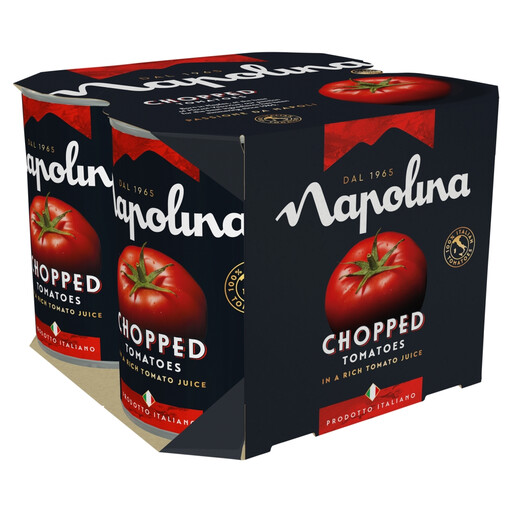 No image available
A chopped-tomato option for dishes where visible tomato pieces are welcome. The pack contains four 400g tins; check the current label and its instructions for storing leftovers after opening.
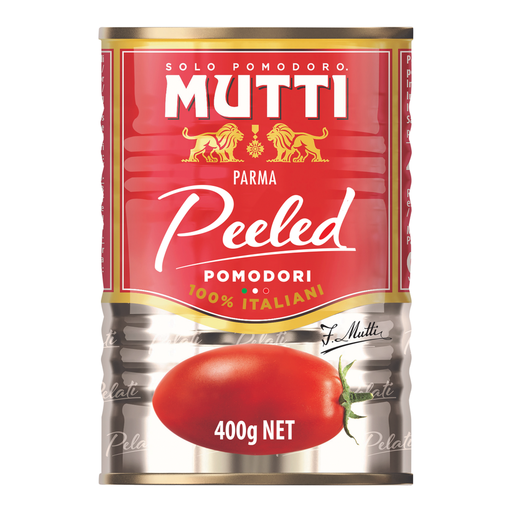 No image available
A 400g whole peeled-tomato tin for cooks who want to crush or blend the tomatoes to suit a sauce. Allow for that preparation step if the recipe needs an even texture, and follow the pack's instructions after opening.
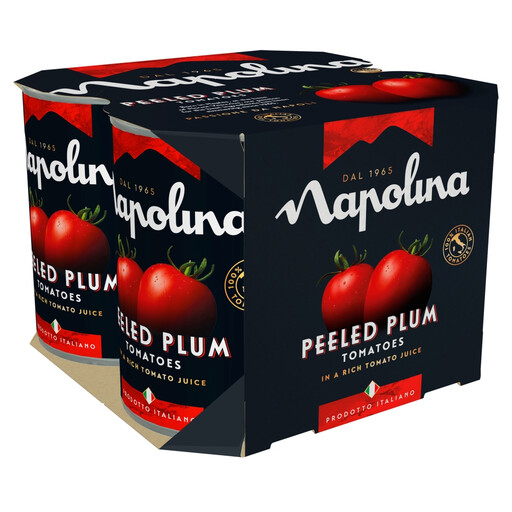 No image available
The peeled plum format lets you decide how much to break down the tomatoes for a sauce or stew. This pack contains four 400g tins; crush or blend the contents if you want a uniform base.
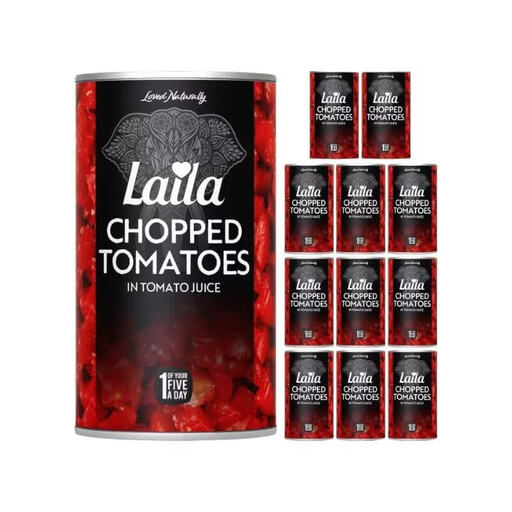 No image available
Chopped tomatoes offer a pre-cut base for curries, soups and stews. The twelve 400g tins make this a larger cupboard quantity, so check that the pack fits your cooking plans and storage space.
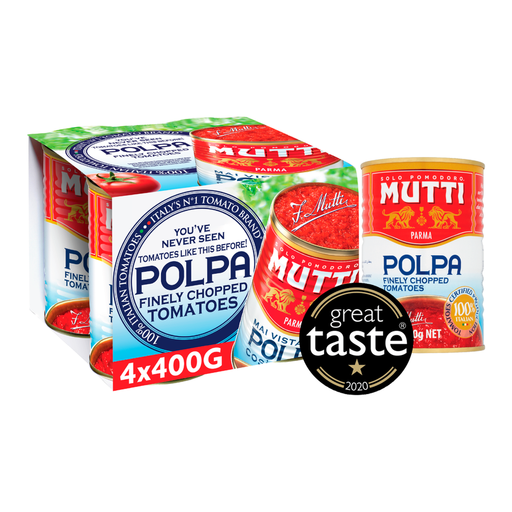 No image available
A finely chopped option when you want an even tomato base without starting from whole pieces. The pack contains four 400g tins; check the current ingredients, including any added salt, before seasoning your dish.
Plain chopped tomatoes are a flexible starting point when you want to season curries, chilli or sauces yourself. Choose a finer cut for a more even base, or whole peeled tomatoes when you want to crush or blend them to control the finished texture.
Choose one when its listed seasoning fits a dish you plan to cook. For recipes with different spice or herb combinations, a plain tin gives you control over what to add; always compare the specific ingredient lists.
Follow the instructions on the particular tin, including how to transfer and refrigerate unused contents. The referenced Sainsbury's and Tesco products say to use refrigerated leftovers within 2 days, the referenced M&S product within 3 days, and the referenced Asda product within 4 days.
Read the ingredient and allergen information on the physical pack you intend to use. GOV.UK guidance says foods with two or more ingredients must list them, and allergens present must be highlighted; do not assume that different variants share an ingredient list.
Avoid buying a damaged can. Reading Borough Council's food-safety guidance advises shoppers to avoid damaged cans; also check the date and storage information on an intact tin before putting it away.