Parents of toddlers who reject unfamiliar foods
If a child refuses a new tomato meal, a different tin alone may not change that. The NHS advises continuing to offer a variety of foods without forcing a child to eat what they reject.


For a fussy eater meal, start with a plain tomato product and check both its ingredients and its ‘of which sugars’ value per 100g: sugars on the nutrition panel do not, by themselves, mean sugar was added. If visible pieces are the obstacle, a finely chopped product or a blended plain tomato sauce may be more useful than choosing on the sugar figure alone. The NHS advises offering rejected foods again without forcing a child to eat them.
If a child refuses a new tomato meal, a different tin alone may not change that. The NHS advises continuing to offer a variety of foods without forcing a child to eat what they reject.
For a plain base for pasta sauce, soup or a stew, check whether sugar appears in the ingredients. Compare the separate ‘of which sugars’ figures per 100g when choosing between tins.
A finely chopped product or a blended plain tomato base gives you a different texture from chunky chopped tomatoes. Bedfordshire, Luton and Milton Keynes Integrated Care Board suggests introducing foods gradually through similarities to those a child already accepts.
Choose the texture your child is prepared to approach, then compare ingredients and nutrition on the same basis. Keep the pack’s storage directions in mind if a tin will be used across more than one meal.
| Priority | What to check | Your needs |
|---|---|---|
| Ingredients and sugars | Read the ingredient list for sugar. Compare ‘of which sugars’ per 100g across products; that figure alone does not tell you whether sugar was added. | I want a plain tomato base without sugar named in its ingredients, while recognising that the nutrition panel can still declare sugars. |
| Texture | Check whether the tomatoes are finely chopped, standard chopped or whole. Consider whether the prepared sauce will still contain visible pieces. | Visible chunks can be a barrier in this meal, so I need a texture closer to one my child already accepts. |
| Serving approach | Consider a small serving alongside familiar food and avoid pressure to eat it. The NHS advises trying rejected foods again another time. | I want to offer a tomato-based family meal without making acceptance of a new food the condition for finishing it. |
| Leftovers | Read the particular pack’s directions for storing and using tomatoes after opening; instructions can differ between products. | If one tin will cover several meals, I need to know how to handle the remaining tomatoes. |
A description of flavour does not establish a reduced-sugar claim. Plain chopped tomatoes can also show sugars on their nutrition panels when sugar is not listed as an ingredient.
Check the ingredient list and compare the ‘of which sugars’ figures per 100g instead of relying on sweetness wording.
Napolina describes its chopped tomatoes as chunky, while Mutti describes Polpa as especially finely chopped. That distinction matters if the eater objects to pieces in a sauce.
Start with a familiar texture, or blend a plain tomato base if a smooth sauce is accepted. Offer changes gradually without pressure, in line with NHS and NHS-linked guidance.
Directions for leftovers can differ between tomato products, which matters when a tin is used for more than one meal.
Follow the storage and use-within instructions on the pack you open.
Leftovers may need to be discarded if they are not used within the pack’s stated period.
These examples help compare product formats and labels; a brand name alone does not tell you which texture or ingredients are in a particular tin.
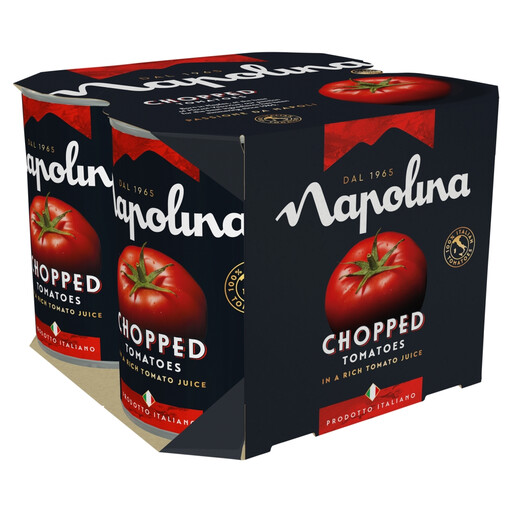
Napolina describes its chopped tomatoes as chunky and suited to thicker sauces.
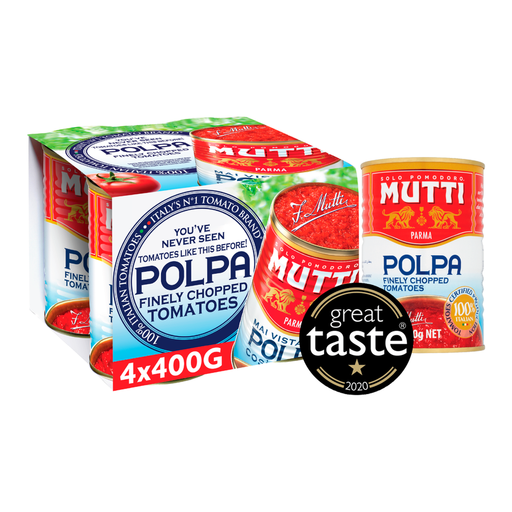
Mutti describes its Polpa chopped tomatoes as especially finely chopped.
Tesco’s Italian Chopped Tomatoes 400g is a plain chopped-tomato option.
Sainsbury's Chopped Tomatoes Can 400g is a plain chopped-tomato product.
Asda Chopped Tomatoes 400g provides a plain chopped-tomato base.
M&S Chopped Italian Tomatoes is another plain chopped option.
These Joybuy options cover finely chopped, standard chopped and whole peeled tomatoes, including single tins and multipacks. Choose by the texture and quantity that suit the meal, then check the current pack for ingredients and nutrition.
 No image available
The finely chopped format may suit a sauce where larger tomato pieces are unwelcome. This is a four-tin pack; check the current ingredients and nutrition panel, including salt, if those details matter for the meal.
 No image available
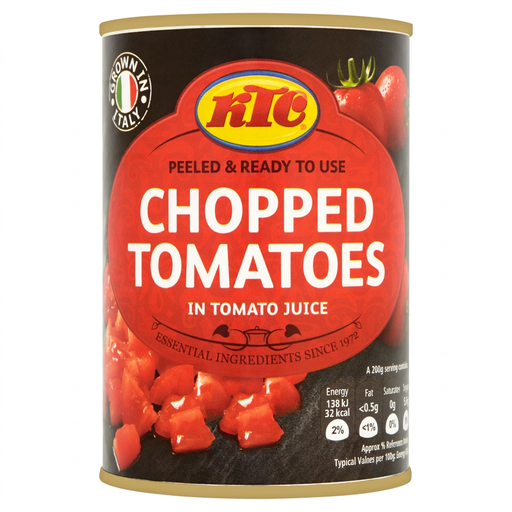
A single tin of chopped tomatoes for a tomato-based meal. If the eater objects to pieces, check the chop or plan to blend the sauce; read the current label when choosing by ingredients or sugars.
 No image available
Napolina describes its chopped tomatoes as chunky, so this four-tin pack makes more sense where visible pieces are accepted. If they are not, consider blending the sauce; check the pack label for its current ingredients and nutrition.
 No image available
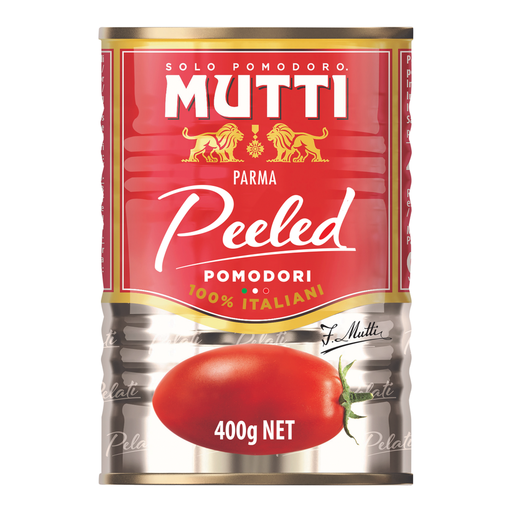
These are whole peeled tomatoes rather than chopped tomatoes. Allow for crushing or blending if the intended sauce needs a finer texture, and check the current pack label when comparing ingredients and sugars.
 No image available
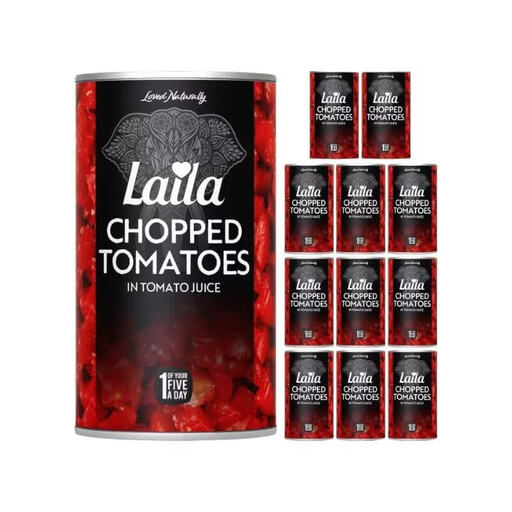
This 12-tin pack is an option if chopped tomatoes are used regularly in family meals. Consider whether the quantity suits your household, and check the chop and current label if texture or ingredients will determine the choice.
No. Check the ingredients for added sugar separately from the nutrition panel. The plain chopped products listed by Sainsbury's, Asda, M&S and Tesco declare sugars per 100g while listing no sugar ingredient; a lower figure alone does not establish a reduced-sugar claim.
They may be a more practical starting texture if visible pieces are the barrier. Mutti describes Polpa as especially finely chopped, whereas Napolina describes its chopped tomatoes as chunky. You can also blend a plain tomato base if a smooth sauce is the texture the child accepts.
Follow the storage and use-within directions on that product’s pack rather than assuming every tin has the same instructions. Check them before planning to use the remainder in another meal.
No. The NHS advises against forcing a child to eat a rejected food and recommends continuing to offer a variety of foods, even if acceptance takes many attempts.